


Sleep is essential for our overall health and well-being. Yet, many struggle to achieve good sleep due to various reasons. One common issue is sleep apnea, a serious condition that affects how we breathe while resting.
It is vital to understand the symptoms, risks, and modern treatments available for this condition to secure the sleep you need.
What is Sleep Apnea?
Sleep apnea is a disorder characterized by pauses in breathing or shallow breaths while sleeping. These interruptions can last for a few seconds to a minute and often occur multiple times during the night.
People who suffer from sleep apnea may not even be aware that they have it. However, it can lead to significant health problems if left untreated.
Common Symptoms of Sleep Apnea
The symptoms of sleep apnea can vary between individuals, but some of the most common ones include:
- Loud snoring
- Choking or gasping
- Feeling excessively
If you notice any of these symptoms, it might be time to consult a medical professional for advice.
The Risks of Untreated Sleep Apnea
Not addressing sleep apnea can lead to several severe health risks. Studies show that individuals with untreated sleep apnea are more likely to develop conditions such as high blood pressure, diabetes, heart disease, and stroke.
Moreover, sleep apnea can affect mental health, leading to anxiety, depression, and issues with memory. It also increases the chances of accidents, especially on the road, as lack of sleep affects alertness and reaction times.
Modern Treatments for Sleep Apnea
There are various treatments available that can help manage and alleviate the symptoms of sleep apnea. Some of the most common and effective options include:
Continuous Positive Airway Pressure (CPAP) Machines
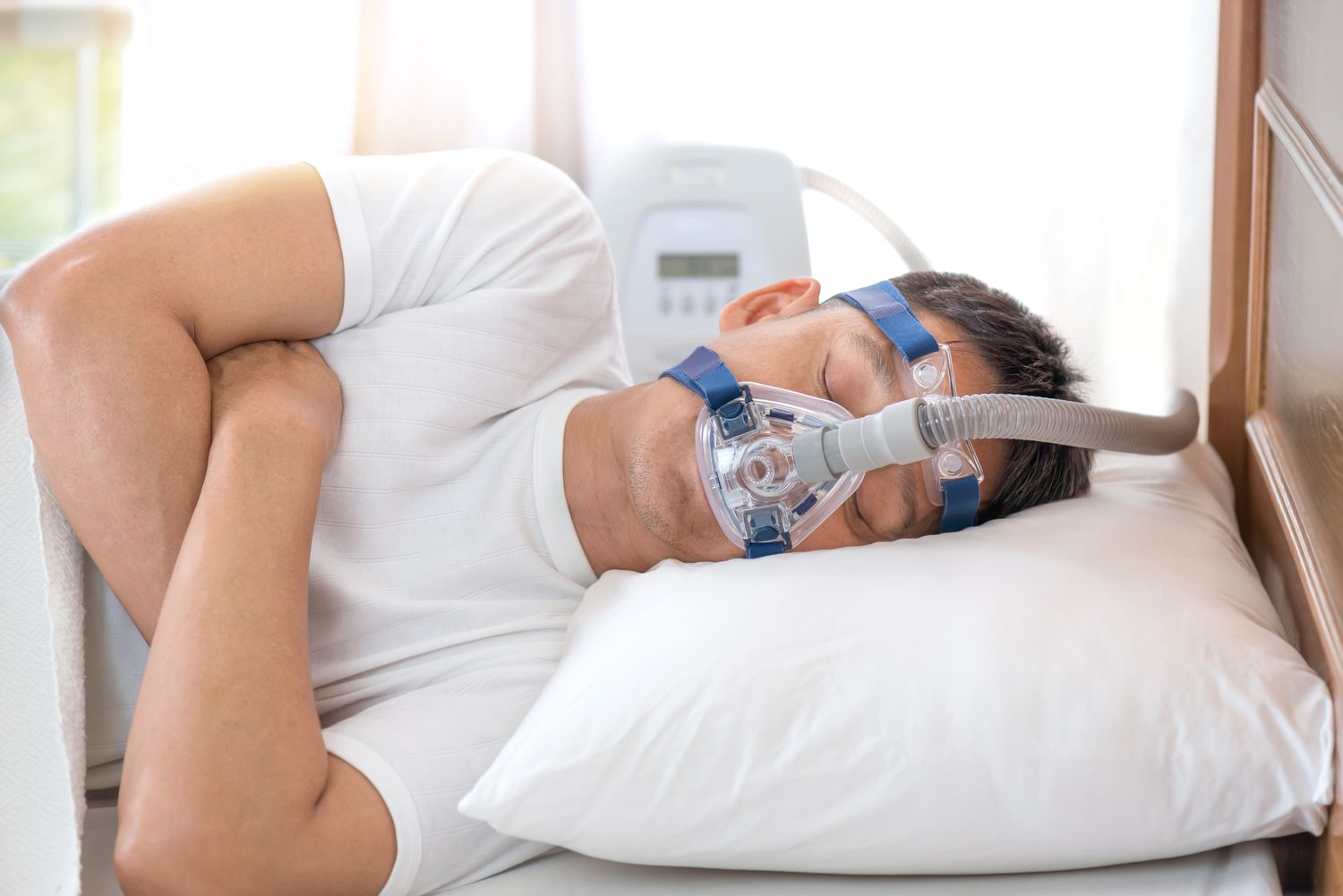
This device uses a mask over your nose and mouth, delivering a constant flow of air to keep your airway open. CPAP therapy is considered one of the most effective treatments for moderate to severe sleep apnea.
Oral Appliances
These are custom-made devices you wear in your mouth while sleeping. They help reposition the jaw to keep the airway open. Many people prefer oral appliances over CPAP machines due to their convenience.
Lifestyle Changes
Sometimes, simple changes can significantly impact sleep apnea. Weight loss, quitting smoking, and avoiding alcohol can help reduce symptoms. Also, maintaining a consistent sleep schedule and sleeping on your side may improve your sleep quality.
Surgery
In some cases, surgical options may be considered, especially if anatomical factors contribute to sleep apnea. Surgical suggestions can include removing excess tissue in the throat or correcting structural abnormalities.
Finding Help for Sleep Apnea
If you suspect you have sleep apnea, it is essential to seek professional help. Many resources are available to ensure you receive the proper diagnosis and treatment.
For instance, you can find effective sleep apnea treatment in South Holland, IL. They provide access to specialists who can assist you in understanding your options and improving your sleep.
Importance of Good Sleep
Good sleep is not merely a luxury; it is vital for your physical and mental health. Prioritizing sleep is crucial for maintaining energy levels, improving focus, and enhancing mood.
By understanding and treating sleep apnea, you take a significant step toward achieving better sleep and overall health.
Peaceful Nights Ahead
Improving your sleep starts with understanding sleep apnea and how it affects your well-being. By recognizing the symptoms, knowing the risks of untreated sleep apnea, and exploring modern treatments, you can take control of your sleep health. Seek help today to ensure that your nights are restful and rejuvenating.
Need more ideas? Check out our other helpful articles on our website.
