


When exploring treatment options for mental health conditions, people often encounter two brain stimulation therapies: Transcranial Magnetic Stimulation (TMS) and Electroconvulsive Therapy (ECT). Understanding TMS vs ECT becomes crucial when making informed decisions about mental health treatment.
These innovative approaches have transformed the landscape of mental health care, offering hope to those who haven’t found relief through traditional treatments like medication and psychotherapy. While both treatments involve stimulating the brain, they differ significantly in their approach, intensity, and suitable applications.
This understanding becomes especially important as more healthcare providers offer these options and more insurance companies provide coverage for them.
The decision between these treatments rarely comes as a first step in mental health care. Usually, people consider TMS or ECT after trying other approaches, often when dealing with treatment-resistant conditions.
Healthcare providers typically suggest exploring these options when patients have tried multiple medications or therapeutic approaches without achieving desired results. This makes understanding the distinctions between them particularly important for both patients and their families.
The Fundamental Differences
The ECT vs TMS difference starts with their basic approaches to brain stimulation. While both treatments aim to improve mental health symptoms, they work in distinctly different ways. ECT involves inducing controlled seizures under anesthesia, while TMS uses magnetic pulses to stimulate specific brain regions while the patient remains awake and alert. This fundamental difference shapes every aspect of the treatment experience, from preparation to recovery.
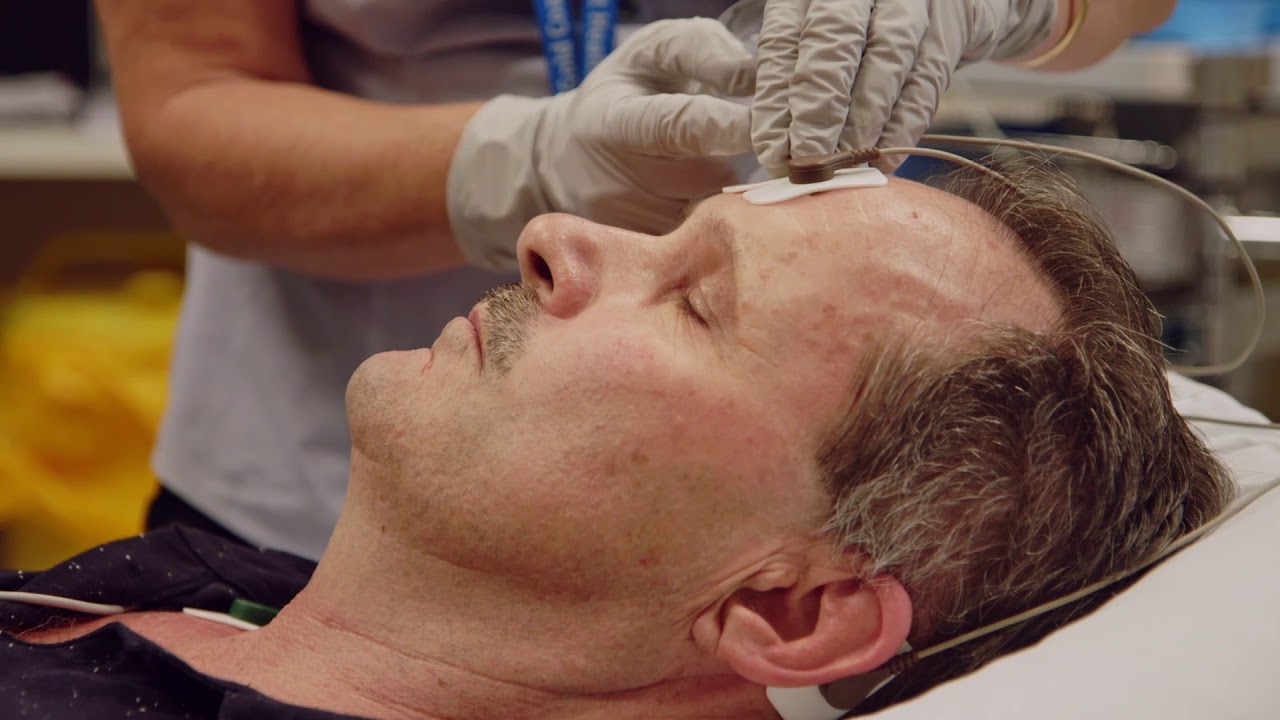
In ECT, medical professionals carefully control the electrical current’s intensity and duration to induce a brief seizure lasting about 30-60 seconds. The procedure takes place in a hospital setting with an anesthesiologist present, much like minor surgery.
The controlled nature of modern ECT bears little resemblance to its portrayal in older movies or media, as advanced monitoring equipment and precise electrical dosing ensure patient safety throughout the procedure.
TMS, by contrast, works more like a detailed mapping exercise. The magnetic pulses target specific areas of the brain identified through careful measurements, similar to how an MRI machine operates but with therapeutic intent rather than imaging.
Patients sit in a chair, fully conscious, often reading or chatting with their healthcare provider during the procedure. The magnetic pulses make a tapping sound as they stimulate precise brain regions, allowing for targeted treatment without affecting the entire brain.
Comparing Treatment Experiences
ECT vs TMS therapy experiences differ significantly. ECT requires hospital visits, anesthesia, and recovery time after each session. TMS, however, takes place in outpatient settings, with patients able to drive themselves home afterward and resume normal activities immediately.
Understanding the Technology
How TMS Works
TMS uses focused magnetic fields to stimulate specific brain areas. Similar to an MRI machine, these magnetic pulses pass through the skull without requiring any invasive procedures. The treatment targets precise regions of the brain associated with mood regulation and anxiety.
How ECT Works
ECT involves passing small electrical currents through the brain, triggering a brief seizure. Modern ECT has evolved significantly from its historical origins, with precise electrical dosing and careful monitoring making it much safer and more refined than in the past.
Treatment Applications
Depression Treatment
Both treatments show effectiveness in treating depression, particularly when other approaches haven’t worked. However, they serve different patient populations. ECT often helps people with severe depression requiring immediate intervention, while TMS typically treats those with moderate to severe depression who haven’t responded to medications.
TMS vs ECT for Anxiety
When considering TMS vs ECT for anxiety, the approach differs. TMS has shown promising results for anxiety disorders, particularly when combined with depression. ECT rarely serves as a primary anxiety treatment, though it might help when severe depression accompanies anxiety.
Side Effects and Recovery
TMS Side Effects
TMS typically causes minimal side effects. Some people experience scalp discomfort or headaches during treatment, but these usually diminish after the first few sessions. Most importantly, TMS doesn’t affect memory or cognitive function.
ECT Side Effects
ECT’s side effects tend to be more significant. Temporary memory problems commonly occur, though modern techniques minimize this risk. Physical side effects like muscle soreness and headaches typically resolve within hours or days after treatment.
Treatment Duration and Commitment
TMS Treatment Schedule
TMS requires consistent attendance for several weeks, typically involving daily sessions Monday through Friday. Each session lasts about 20-40 minutes, fitting into many people’s work schedules.
ECT Treatment Schedule
ECT usually begins with more intensive treatment, often three times per week, then transitions to less frequent maintenance sessions as symptoms improve. Each session requires several hours for preparation, treatment, and recovery.
Making Treatment Decisions
Individual Considerations
Choosing between these treatments depends on various factors:
- Severity of symptoms
- Previous treatment responses
- Daily responsibilities and schedule
- Support system availability
- Personal preferences about treatment approach
Insurance and Accessibility
Both TMS and ECT have gained wider insurance coverage in recent years. However, coverage varies by provider and condition. Some insurance plans might require trying other treatments first, particularly for TMS.
Recent Advances
Technological Improvements
Both treatments continue evolving with technological advances. Newer TMS protocols offer faster treatment sessions, while modern ECT equipment provides more precise control over electrical stimulation.
Research Developments
Ongoing research explores expanding applications for both treatments. Scientists study their effectiveness for conditions beyond depression, potentially opening new treatment possibilities.
The Role of Support Systems
Family Involvement
Family support proves crucial for both treatments, though in different ways. ECT patients need someone to drive them to appointments and help during recovery periods. TMS patients might benefit from emotional support but require less practical assistance.
Professional Support
Healthcare providers play vital roles in both treatments. They monitor progress, adjust treatment parameters, and provide ongoing support throughout the treatment course.
Looking Toward Recovery
The journey toward mental health improvement often involves trying different approaches. Whether choosing TMS vs ECT, success often depends on combining treatment with other supportive measures like therapy and lifestyle changes.
Future Directions
Treatment options continue evolving as research advances. Newer variations of both TMS and ECT show promise for treating various conditions with potentially fewer side effects and greater precision.
Making an Informed Choice
Understanding these treatments helps in making informed decisions about mental health care. While comparing TMS vs ECT might seem overwhelming, working with healthcare providers helps determine the most appropriate option for individual circumstances.
The choice between ECT vs TMS therapy requires careful consideration of personal factors, medical history, and treatment goals. Both options offer hope for people struggling with mental health conditions, particularly when other treatments haven’t provided adequate relief.
Remember that seeking treatment represents a positive step toward better mental health. With proper medical guidance and support, either TMS or ECT might provide the help needed to improve quality of life and mental well-being.
