
When it comes to our health, we often think about our heart, lungs, or stomach. But have you considered your veins?
Vein health is crucial because our veins work tirelessly to carry blood throughout the body. Unfortunately, poor vein health can lead to various problems that can cause discomfort and even serious issues.
By knowing the signs of vein problems, you can take steps to protect your health.
Understanding Vein Health
Your body has a network of veins that play a vital role in returning blood to the heart after it has circulated through your body. This process is essential because it ensures that oxygen-rich blood continually flows to your organs and muscles.
However, factors like age, inactivity, and certain medical conditions can weaken your veins over time.
Common Symptoms of Vein Problems
Recognizing the symptoms of vein issues is important for taking early action. If you notice swelling in your legs or feet, especially after standing for long periods or during warmer weather, it may be a sign of poor vein circulation.
Aching, throbbing, or cramping in your legs could indicate that your veins are not working efficiently. This discomfort might worsen after sitting or standing for extended periods.
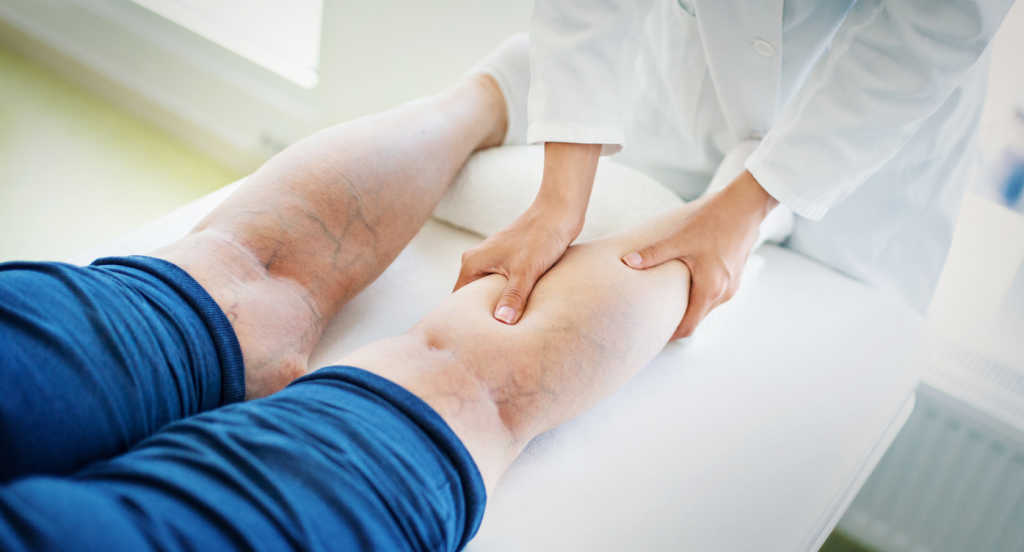
If you observe any darkening of your skin around the ankles or legs, this can signal issues with your veins. Enlarged veins, also known as varicose veins, can appear twisted or bulging and are often a sign of vein health problems. Spider veins, which are smaller and closer to the skin’s surface, can also indicate compromised vein health.
When to Seek Help
Don’t ignore these symptoms. If you experience one or more of the above signs, it’s essential to consult a healthcare professional. Early intervention can prevent further complications and lead to better outcomes.
In particular, if your legs feel heavy or painful, have noticeable swelling, or show signs of discoloration, you should seek medical advice. A professional can assess your situation and recommend appropriate treatments tailored to your needs.
How to Improve Vein Health
Maintaining good vein health is proactive work. Regular physical activity promotes healthy circulation and helps maintain a healthy weight. Simple activities like walking or swimming can greatly enhance your vein health.
Elevating your legs for short periods during the day can help reduce swelling and improve blood flow. Consider propping your legs up while resting or sleeping. Drinking plenty of water helps keep your blood flowing smoothly and supports overall health.
Exploring Treatment Options
In some cases, you may need more than lifestyle changes to address vein health issues. Many treatments are available for various conditions affecting your veins. For instance, if you have spider veins or varicose veins, there are effective spider veins treatment options that can help relieve discomfort and improve appearance.
Additionally, your healthcare provider may recommend procedures such as sclerotherapy, laser therapy, or even surgery for more severe vein conditions. It is essential to discuss these options with your doctor to understand the best course of action.
Protecting Your Vein Health
Understanding the importance of vein health and recognizing the early signs of problems can help you take charge of your well-being. By maintaining an active lifestyle, paying attention to symptoms, and seeking help when necessary, you can protect the health of your veins.
Don’t hesitate to explore treatment options if you notice concerning signs. Your veins are important to your overall health, so taking care of them should be a priority.
If you’d like to learn more about what we have to offer, then feel free to visit our website and read more.
