


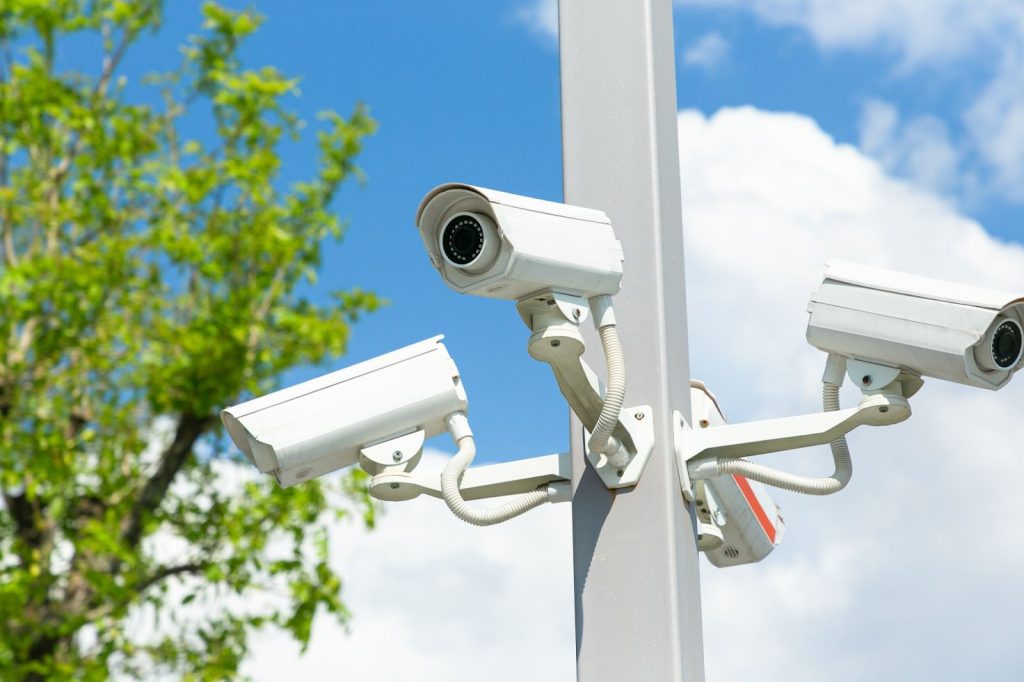
You may have heard that CCTV is a major component of safety for institutions. This sort of surveillance refers to the use of Closed-Circuit Television systems that monitor and record activities in specific areas for security and safety purposes. It involves the use of cameras that capture video footage, which is transmitted to a set of monitors or recording devices within a closed network. Unlike broadcast television, the signals from these cameras are not publicly available but are instead received on specific devices that are usually authorized. This article walks you down some of the ways in which CCTV monitoring works and is applicable.
What are the components of a CCTV system?
Cameras that capture video footage of the area being monitored. They can vary in type, such as dome cameras, bullet cameras, PTZ cameras, and more.
Monitors that display the live video feed from the cameras to security personnel or authorized users.
Recording devices to store the captured video for later review or evidence purposes. These can include digital video recorders or network video recorders.
Cables and transmission equipment are needed to connect the cameras to monitors and recording devices. In our modern systems, this might include wireless connections or cloud-based solutions.
Control systems enable operators to view, control, and manage the camera feeds, typically through software interfaces.
What’s the need to install a CCTV system?
These surveillance systems are a necessary component of public safety. CCTV systems are crucial in preventing crime, aiding in criminal investigations, and providing evidence when needed. Naturally, they are widely used in both public and private settings, including homes, businesses, government buildings, and transportation systems.
CCTV surveillance serves different purposes in relation to the maintenance of safety:
Crime Prevention
The presence of CCTV cameras can discourage criminal activities such as theft, vandalism, and trespassing. People are less likely to commit a crime if they know they’re being surveilled.
CCTV systems can cover areas that are difficult to monitor in person, such as parking lots, secluded corners, or public spaces, helping to keep those places safer.
Security and Safety
Security personnel or business owners can monitor multiple locations in real time, enabling quick responses to any suspicious activity.
CCTV can be used wielded by other security systems like alarms and sensors to provide a more comprehensive security solution.
Evidence Collection
CCTV footage can be vital in capturing incidents, such as accidents, thefts, or assaults. This footage can be used in legal proceedings or insurance claims.
In cases of disputes, CCTV footage can serve as objective evidence, helping to clarify what actually happened in a given situation.
Wrapping Up
That brings us closer to some of the applications of CCTV systems in modern parlance. Not only are they an important component of maintaining safety and integrity, but they can also be used as preventative and remedial measures in case something untoward actually takes place.
