


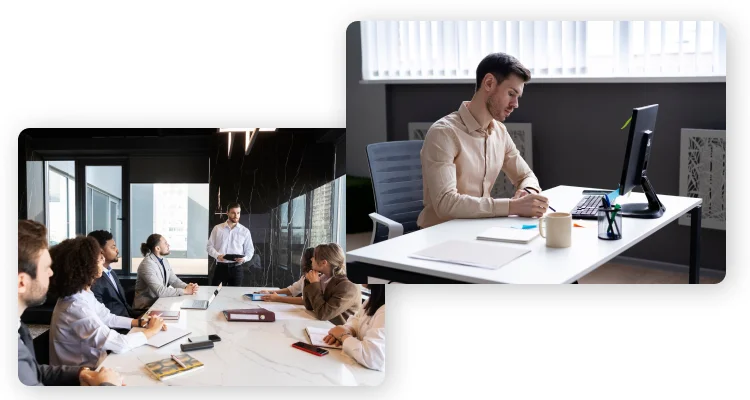
What features define an effective space management tool, and why do they matter? Modern tools simplify how spaces are used, making operations smoother and more efficient. These solutions are vital for dynamic workplaces or businesses managing shared spaces. Let’s explore the key elements that make advanced space management tools stand out.
1. Seamless Integration and Accessibility
An effective space management tool should integrate easily with existing systems. For businesses using software like flex space management software, compatibility with scheduling, booking, and employee tracking platforms is crucial. Tools that merge seamlessly with other software reduce complexity and ensure smooth operations.
Accessibility is another essential feature. Cloud-based systems allow users to access the tool anytime, anywhere. Mobile-friendly solutions make it easy for teams to book, manage, and monitor spaces on the go. A system that adapts to different platforms and devices ensures maximum usability and convenience for all stakeholders.
2. Real-Time Space Utilization
Real-time data is one of the most valuable aspects of advanced tools. It provides instant insights into how spaces are used, helping businesses make informed decisions. Tools equipped with live dashboards display occupancy rates, trends, and booking statuses at a glance.
Real-time utilization data helps optimize space allocation and prevent underused or overcrowded areas. Advanced tools also support automated notifications, alerting users about space availability or changes in schedules. This level of automation minimizes administrative work and keeps operations running efficiently.
3. Key Features to Look For
The effectiveness of space management tools lies in their functionality. Certain features ensure smoother workflows and better resource utilization.
Key features include:
- Room and desk booking systems: Simplifies reserving spaces for meetings or individual work.
- Analytics and reporting tools: Provides detailed insights into usage patterns and trends.
- Customizable settings: Allows users to adapt the tool to their specific requirements.
- Integration with calendars: Syncs bookings with personal or team schedules.
A tool that includes these features ensures flexibility and efficiency in managing spaces. These capabilities also contribute to better planning and smarter decision-making.
4. Scalability for Growing Needs
Businesses grow, and their seating management needs change over time. Effective tools are scalable, allowing for adjustments as organizations expand or shift priorities. Scalability ensures that the system remains relevant and efficient even as demands increase. Tools that can handle varying levels of complexity, from small office spaces to large corporate campuses, are ideal.
This flexibility eliminates the need for frequent upgrades or replacements. Choosing software from a reputable brand ensures robust scalability and reliable performance. Trusted brands often provide ongoing support and updates, ensuring the system adapts to changing needs seamlessly. Investing in scalable solutions reduces long-term costs while providing a system that evolves alongside the business.
5. Long-Term Benefits of Space Management Tools
The value of advanced tools extends beyond immediate operational efficiency. These systems support long-term goals by improving resource allocation and reducing waste. Premium space management software streamlines shared space usage, creating a more productive environment.
Long-term benefits include enhanced employee satisfaction, as staff can easily access the spaces they need. Improved seating utilization also leads to significant cost savings by reducing unnecessary expenses. Businesses equipped with these tools are better positioned to adapt to changing demands and maintain operational excellence.
Effective space management tools are defined by their integration, real-time data capabilities, and scalability. For instance, solutions like flex space management software enable businesses to optimize shared spaces and improve efficiency. Choosing tools with key features, such as interactive floor plans and analytics, ensures better outcomes. By investing in advanced systems, organizations can achieve both immediate improvements and long-term benefits in managing their spaces.
