


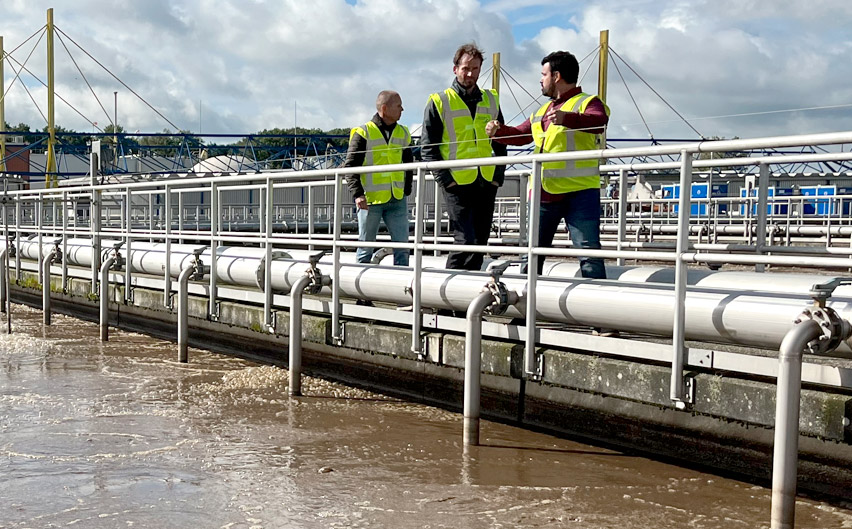
Industries rely heavily on water to conduct their daily operations, from cooling machinery to processing materials. However, this extensive use often results in large volumes of wastewater, which can strain local ecosystems and lead to compliance issues. As environmental concerns grow and regulations tighten, businesses are under pressure to manage their usage more responsibly.
A water management company provides specialized services to industries aiming to minimize waste, comply with discharge standards, and enhance operational efficiency. These experts assist in monitoring consumption, improving treatment systems, and ensuring compliance. This article examines how such companies impact various aspects of industrial operations to curb water waste effectively.
Evaluating Water Use and Waste at the Source
One of the most vital steps in reducing water waste is assessing its origin and sources. Industrial facilities often have complex systems, and waste can occur at multiple stages, during production, maintenance, or even storage. Detailed audits help determine inefficiencies that lead to unnecessary discharge or loss.
Professionals conduct site surveys, review historical data, and analyze existing infrastructure to identify areas requiring improvement. Once identified, recommendations follow, such as repairing faulty valves or modifying rinse processes. Even minor fixes can drastically reduce loss when applied across a large facility.
Designing Efficient Treatment Solutions
Treating wastewater before disposal is not just a regulatory requirement; it’s an opportunity for recovery and reuse. Many industries fail to optimize this part of their process, resulting in lost resources and environmental stress. A water management company may introduce custom treatment solutions tailored to an industry’s waste profile.
This could involve adding filtration units, introducing chemical neutralization techniques, or automating monitoring systems. By enhancing treatment at the source, businesses can recycle water internally and reduce dependence on freshwater supplies.
Improving System Efficiency with Smart Technologies
Technology is helping industries gain better control over how they use and manage water. Smart sensors, real-time monitoring systems, and automated alerts allow facilities to respond to issues as they arise, minimizing waste. These tools enable managers to track flow rates, detect leaks, and monitor pressure in real-time.
Predictive analytics further supports long-term planning by forecasting future demands and spotting consumption trends. Investing in these technologies helps build an efficient and waste-conscious operational culture.
Training Staff and Creating Awareness
Many industrial losses happen due to unintentional errors or outdated routines. Employees may not always understand the environmental or financial impact of practices they consider routine. Educating workers is critical to changing this mindset. Training programs help staff understand how their actions affect water usage.
Regular workshops, signage, and audits encourage more responsible habits on the floor. Engaged teams are more likely to report issues early and take part in conservation efforts, leading to long-term improvements.
Steps That Support Regulatory Compliance
Meeting legal standards is a major concern for industries handling large volumes of wastewater. Non-compliance can result in penalties, shutdowns, and reputational harm. Managing these risks requires a thorough understanding of both local and federal rules.
- Preparing and submitting regulatory reports
- Updating permits and approvals
- Testing effluent samples regularly
- Designing systems that meet discharge standards
- Tracking changes in regional environmental laws
Supporting Long-Term Water Stewardship
Effective solutions must go beyond quick fixes. Industries require systems and practices that consistently deliver results over time. Professionals assist in creating long-term action plans by setting measurable targets, scheduling regular maintenance, and reviewing performance reports to ensure ongoing effectiveness.
By emphasizing preventive care and sustainable practices, businesses can reduce costs, increase resilience, and contribute to broader environmental goals. Long-term partnerships often lead to innovation, helping facilities stay ahead of future challenges.
A water management company plays an essential role in helping industries reduce waste and use water more responsibly. From initial assessments to system upgrades and staff training, these services provide both operational and environmental value. With thoughtful planning and consistent oversight, companies can develop processes that minimize waste, conserve resources, and meet increasing environmental demands.
