


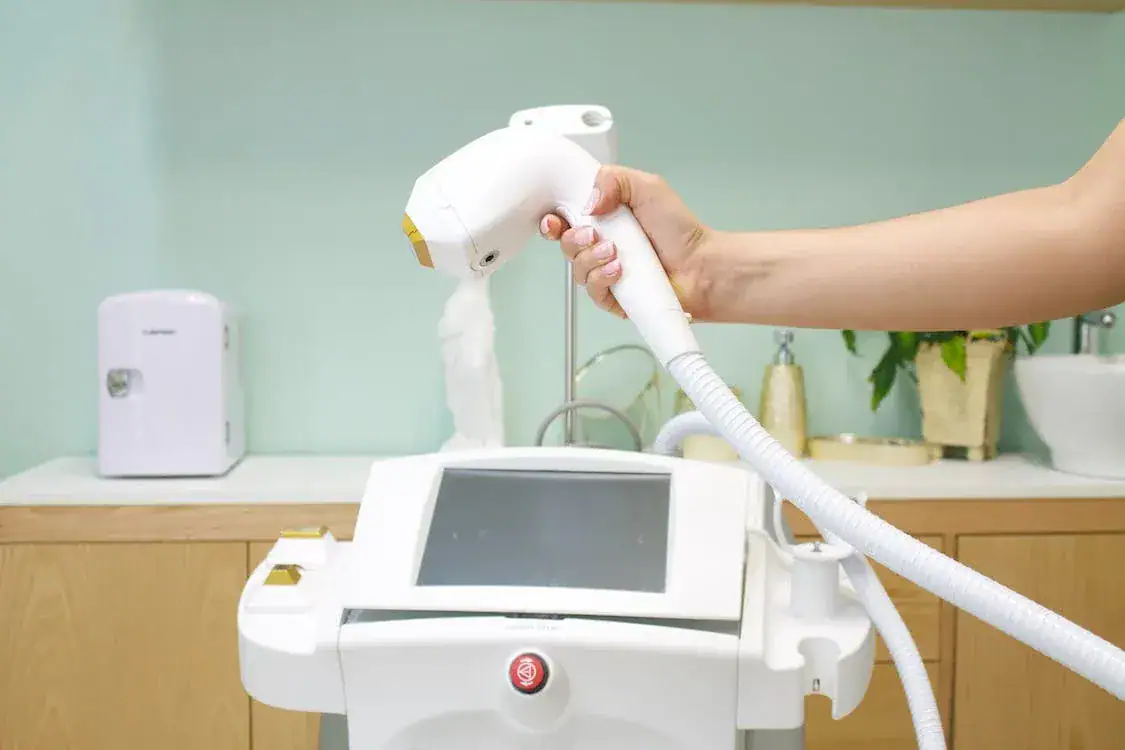
Selling your laser or thinking about buying one, but not sure how the inspection works?
Whether you’re looking to sell used cosmetic lasers or exploring used cosmetic laser equipment for sale, one thing’s for sure: the inspection isn’t just a formality. It’s what makes or breaks the deal.
Buyers want proof that the machine works. Sellers want to get top value. And in both cases, a proper inspection ensures transparency, trust, and a fair price.
Here’s what you can expect when your cosmetic laser goes through an inspection so you know exactly how to prepare.
Why the Inspection Process Matters
When it comes to used medical lasers for sale, inspections serve a much bigger purpose than just testing buttons and handpieces. A professional inspection:
-
Confirms that the device is safe and functional
-
Assesses internal wear, cosmetic condition, and calibration
-
Flag any repairs or part replacements needed
-
Provides documentation that supports fair pricing
-
Ensures compliance with industry standards and local regulations
Skipping this step can lead to misunderstandings or, worse, costly surprises.
What Buyers Should Expect in an Inspection
If you’re buying, here’s what a proper inspection should include before you commit to any used cosmetic laser equipment for sale:
- Visual Inspection: The technician will check for visible signs of wear—scratches, cracks, damaged ports, faded screens, or broken attachments. Minor wear is normal. Structural damage is not.
- Functional Testing: This includes powering up the machine, testing energy output, running different settings, and activating handpieces. You want consistent, clean delivery and no error messages.
- nternal Diagnostics: Some systems include software logs that track service codes or usage patterns. A technician may check pulse counts, cycle history, and internal alerts.
- Software & Version Check: Outdated software can limit functionality or affect compatibility with certain handpieces or updates. Inspection includes checking version numbers and installed modules.
- Accessories & Consumables: Are the cords, handpieces, foot pedals, and fiber optics in good condition? Are consumables like filters or lenses included or nearing end-of-life?
Once these checks are done, buyers should receive a report (or at least a summary) outlining the system’s performance and any potential concerns.
What Sellers Should Know Before Listing
Planning to sell used cosmetic lasers? A smooth inspection starts with preparation. Here’s how to avoid surprises:
-
Clean the unit. A clean laser shows better, photographs better, and makes a strong first impression.
-
Gather paperwork. Service records, user manuals, purchase history, and software licenses can add serious value.
-
Check the function ahead of time. Power it on, test the handpieces, and make sure there are no obvious issues.
-
Be honest about wear. Transparency avoids wasted time and builds trust with serious buyers.
Some sellers also opt to have the system inspected before listing. This helps you price the unit fairly, show proof of functionality, and speed up the sale.
Who Handles the Inspection?
At The Laser Agent, every laser we sell goes through a detailed inspection by qualified technicians before it ever reaches a buyer. We check function, performance, and condition so there are no surprises later.
If you’re selling, we also offer buyback and consignment services where we handle the testing and prep for you. So whether you’re buying or selling, you’re not stuck figuring it out alone.
Selling or Buying? Make Sure It’s Done Right
Whether you’re ready to sell used cosmetic lasers or browse used medical lasers for sale, a thorough inspection is your first step toward a successful, stress-free transaction.
At The Laser Agent, we take the guesswork out of buying and selling. Every piece of used cosmetic laser equipment for sale in our inventory is vetted and verified, and if you’re selling, we’ll help you prepare your system for a smooth, top-dollar sale.
Ready to buy or sell a cosmetic laser with confidence? Let The Laser Agent walk you through the process. From inspection to final delivery, we make sure everything checks out.
