


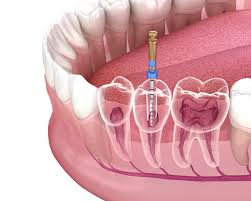
Root canal therapy is a standard dental procedure designed to save teeth that are severely decayed or infected. Modern techniques have made the process more comfortable and efficient. Understanding the steps involved can alleviate concerns and prepare patients for the experience. In Rolla, dental professionals utilize advanced methods to ensure optimal outcomes.
Consulting a dentist in Rolla can provide personalized care tailored to individual needs. These specialists assess the tooth’s condition and determine the appropriate action. Their expertise ensures that the procedure is both effective and minimally invasive. Patients can expect a thorough evaluation before treatment begins.
Comprehensive Evaluation and Diagnosis
The process starts with a comprehensive examination of the affected tooth. Dental X-rays are taken to assess the extent of the infection and visualize the root canals. This diagnostic step is crucial for planning the treatment strategy. It helps identify any underlying issues that may affect the procedure.
The dentist evaluates the tooth’s structure and the surrounding tissues. Symptoms such as prolonged sensitivity, swelling, or discoloration may indicate the need for a root canal. Based on the findings, a detailed treatment plan is formulated. Patients in Rolla benefit from individualized treatment plans developed using advanced diagnostic tools.
Numbing and Tooth Preparation
Local anesthetic is applied to desensitize the area surrounding the tooth before starting the procedure. This step helps maintain comfort for the patient during the entire procedure. The use of anesthesia makes the process virtually painless. Patients may feel slight pressure but no significant discomfort.
A protective barrier known as a dental dam is used to isolate the tooth and maintain a clean, dry working area. This isolation is essential for maintaining a clean working environment. It also prevents any materials or instruments from entering the mouth during the procedure. The setup allows the dentist to work with precision and control.
Cleaning and Shaping the Root Canals
An opening is made in the tooth’s crown to access the pulp chamber. Using specialized instruments, the dentist removes the infected or inflamed pulp tissue. The root canals are then cleaned and disinfected to eliminate any remaining bacteria. This step is vital to prevent future infections.
After cleaning, the canals are shaped to facilitate the filling process. This involves enlarging and smoothing the canals to ensure they can be properly sealed. The shaping process is done with precision to maintain the tooth’s integrity. Properly shaped canals contribute to the long-term success of the treatment.
Sealing and Restoring the Treated Tooth
After cleaning and shaping, the root canals are sealed using a tooth-safe material known as gutta-percha. This rubber-like substance seals the canals and prevents bacteria from re-entering. An adhesive cement is used to ensure a tight seal. This step restores the structural integrity of the tooth.
Depending on the extent of the damage, a temporary or permanent filling is placed to close the opening. A crown is often recommended to protect the tooth and restore its function. The crown is custom-made to match the shape and color of the natural teeth. In Rolla, many practices offer advanced crown solutions to complete the restoration.
Aftercare and Recovery
Regular follow-up appointments are scheduled to monitor the healing and to place a permanent restoration if a temporary one was used. These visits ensure that the tooth is healing properly and that there are no complications. The dentist provides guidance on how to care for the restored tooth.
Seeking treatment from a dentist in Rolla ensures access to skilled professionals who prioritize patient comfort and care. Their expertise and use of modern techniques contribute to successful outcomes. Patients can confidently approach the treatment by understanding what to expect during a root canal procedure. Rolla residents can benefit from prompt, skilled treatment that restores oral health and preserves natural teeth.
