


Sometimes, when a person buys a used car, the eagerness of landing a good sale might make the judgment get clouded. This could either be the price, a specification, or an overly persuasive salesperson. It is for this reason that a car history check is significant to avoid a vehicle that has hidden problems far more costly in the long term.
- Start by Using the Vehicle Identification Number (VIN)
One of the important checks in vetting the history of a vehicle would be actually trying to find or obtain the Vehicle Identification Number. This is a uniquely placed 17-character number found easily on the dashboard where the windshield meets, along with being inside the frame of the driver’s door, and it is the automotive equivalent of a fingerprint.
From the VIN alone, one gets much useful information regarding the vehicle which includes the make, the model, the type of the engine, and the manufacturing year.
Once you have the VIN, you can use it to acquire access to a wealth of information through various online services and databases. These services will provide you with the opportunity to check whether the vehicle was involved in any accidents or had multiple owners or was affected by major mechanical failure.
- Use Online Services
There are many online based services that will aid you in getting a car history report. Through services such as Full Car Checks, you can input a registration plate and view a detailed history report. Information found in reports may include details such as:
- Written Off: Any major accident the car might have gone through including whether the airbag was triggered.
- Logbook: Check for any discrepancies with the V5, such as whether it’s been written off or the VIN number does not match against the history report.
- Mileage Readings: To verify the accuracy of the mileage and detect any possible rollback.
- Service Records: Whether the car has been regularly maintained and repaired, and if any major components have been replaced.
Even further, some reports may mention previous ownership, location history, and even if ever recalled due to safety defects.
- Check the Vehicle for Recalls
Recalls are part of what history a car has. Without the resolution of recalls from a car, there’s serious safety risk involved for a driver. One needs to check for recalls easy by checking the gov.uk site. Just enter the registration plate and the website produces any active recall notices.
- Confirm Ownership and Service Histories
Try to ask the seller for records of car maintenance. Through such documents, one understands the car’s history as well as significant repairs possibly carried out on the car. A car with good consistent servicing is generally a better buy than one with an irregular service record.
You can also ask the seller for details about the previous owners. While the vehicle’s history report will give you some of this information, direct communication with the seller can clarify any gray areas.
- Inspect the Car in Person
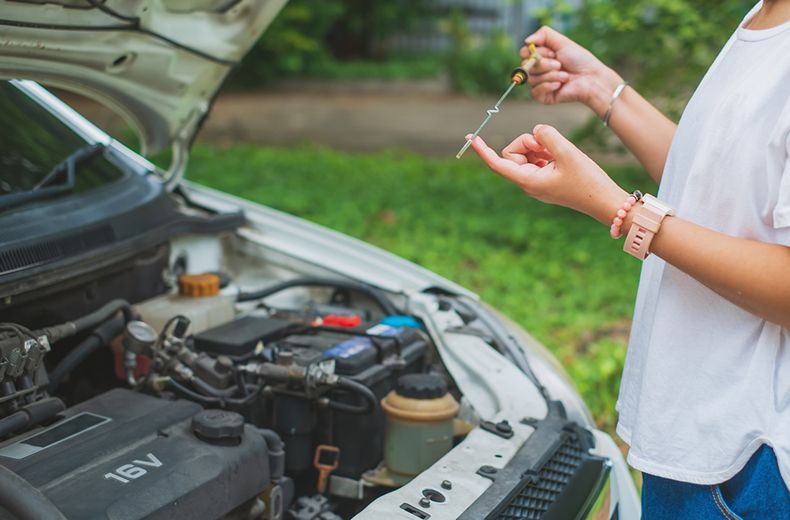
Finally, even with a detailed check of the car’s history, an actual inspection is called for. Bring a known mechanic or an experienced used car buyer to inspect its condition. They will determine the wear and tear, accidental repair, and other related problems that are not represented in the history report.
Conclusion
Car history checks are part of the used car buying process. They provide insight into the vehicle’s past and can help you make a better decision before making the final purchase. Through getting the VIN, using credible online services, checking for recalls, verifying ownership and service records, and performing an in-person inspection, you ensure that your next car is a smart, safe, and reliable investment.
