



A Huntsman spider in Florida is a large, fast-moving arachnid known for its crab-like appearance and impressive leg span, which can reach up to 5 inches.
Despite their somewhat intimidating look, these spiders are generally harmless to humans and are more interested in hunting insects than interacting with people.
Originally native to tropical regions, the Heteropoda venatoria species—commonly referred to as the giant crab spider or banana spider—was introduced to Florida and has since adapted well to the warm climate.
You’re most likely to spot them in garages, sheds, or even inside homes, especially in areas with access to insects.
Unlike many spiders, Huntsman spiders don’t build webs to catch their prey. Instead, they actively hunt, using their excellent speed and vision to chase down insects like roaches, crickets, and even small lizards. Their flat bodies allow them to squeeze into tight spaces, making them stealthy and effective predators.
While their size and speed can give people a scare, they’re not aggressive and rarely bite. If they do, it’s usually in self-defense, and the bite is not considered medically significant. In fact, many people consider them beneficial pest controllers around the home.
Where Are Huntsman Spiders Found in Florida?
Huntsman spiders in Florida are most commonly found in the southern part of the state, where the warm, humid climate mirrors their native tropical environments.
Cities like Miami, Fort Lauderdale, Naples, and the Florida Keys report the most frequent sightings, but they can also be found in central Florida areas like Orlando and Tampa, especially in sheltered outdoor spaces.
These spiders typically dwell in:
- Garages and sheds
- Under loose bark or stones
- Woodpiles and garden debris
- Attics, basements, and crawl spaces
- Inside homes, especially in bathrooms, kitchens, or near light sources
Because of their flattened bodies, Huntsman spiders can squeeze into narrow cracks and crevices, making them good at hiding during the day and emerging at night to hunt. They may also be found near water sources, as humid conditions help maintain their hydration levels.
Though not native to Florida, the Huntsman spider has adapted well and continues to expand its range within the state.
Despite their alarming size and speed, they’re non-aggressive and generally shy, preferring to avoid human contact while quietly taking care of pest insects.
Are Huntsman Spiders Dangerous to Humans?
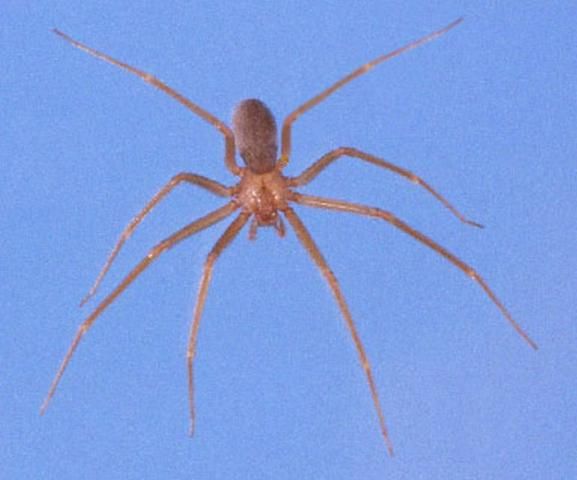
Huntsman spiders are not considered dangerous to humans. While their large size and quick movements can be intimidating, these spiders are generally non-aggressive and will avoid confrontation if possible.
Here’s what you should know:
Bite Potential
- Huntsman spiders can bite, but it’s extremely rare and typically only happens if they feel cornered or threatened.
- Their bite may cause mild pain, redness, and swelling, similar to a bee sting.
- Serious medical complications are highly unlikely.
Venom Facts
- They do possess venom, but it’s not toxic to humans.
- Their venom is primarily used to subdue prey like cockroaches, crickets, and other insects.
Temperament
- Huntsman spiders are shy and reclusive.
- They’re more likely to run away than attack when disturbed.
- Many people actually welcome them indoors for natural pest control.
Bottom Line
Unless you’re trying to pick one up with your bare hands, a Huntsman spider is not a threat. Treat them with respect, and they’ll quietly do their job — keeping your home bug-free.
How to Identify a Huntsman Spider
Identifying a Huntsman spider in Florida is fairly easy once you know what to look for. These spiders are distinct in appearance and behavior compared to other common house spiders.
Key Features of a Huntsman Spider:
- Size:
Huntsman spiders are large, with leg spans reaching up to 5 inches or more. Their bodies are relatively flat and can be around 1 inch long. - Legs:
Their legs are long, crab-like, and twisted forward, which gives them a sideways scuttling motion — a key giveaway. - Color:
Most are gray, brown, or beige, often with darker markings on their bodies and legs, which can resemble camouflage or bark-like patterns. - Eyes:
They have eight eyes arranged in two rows, although this might be hard to spot without close inspection. - Speed:
Huntsman spiders are extremely fast and agile, especially when disturbed — don’t be surprised if they vanish in the blink of an eye.
Where You Might See Them:
- Inside homes (behind curtains, furniture, or picture frames)
- In sheds, garages, or under bark and rocks outdoors
What to Do If You See One in Your Home
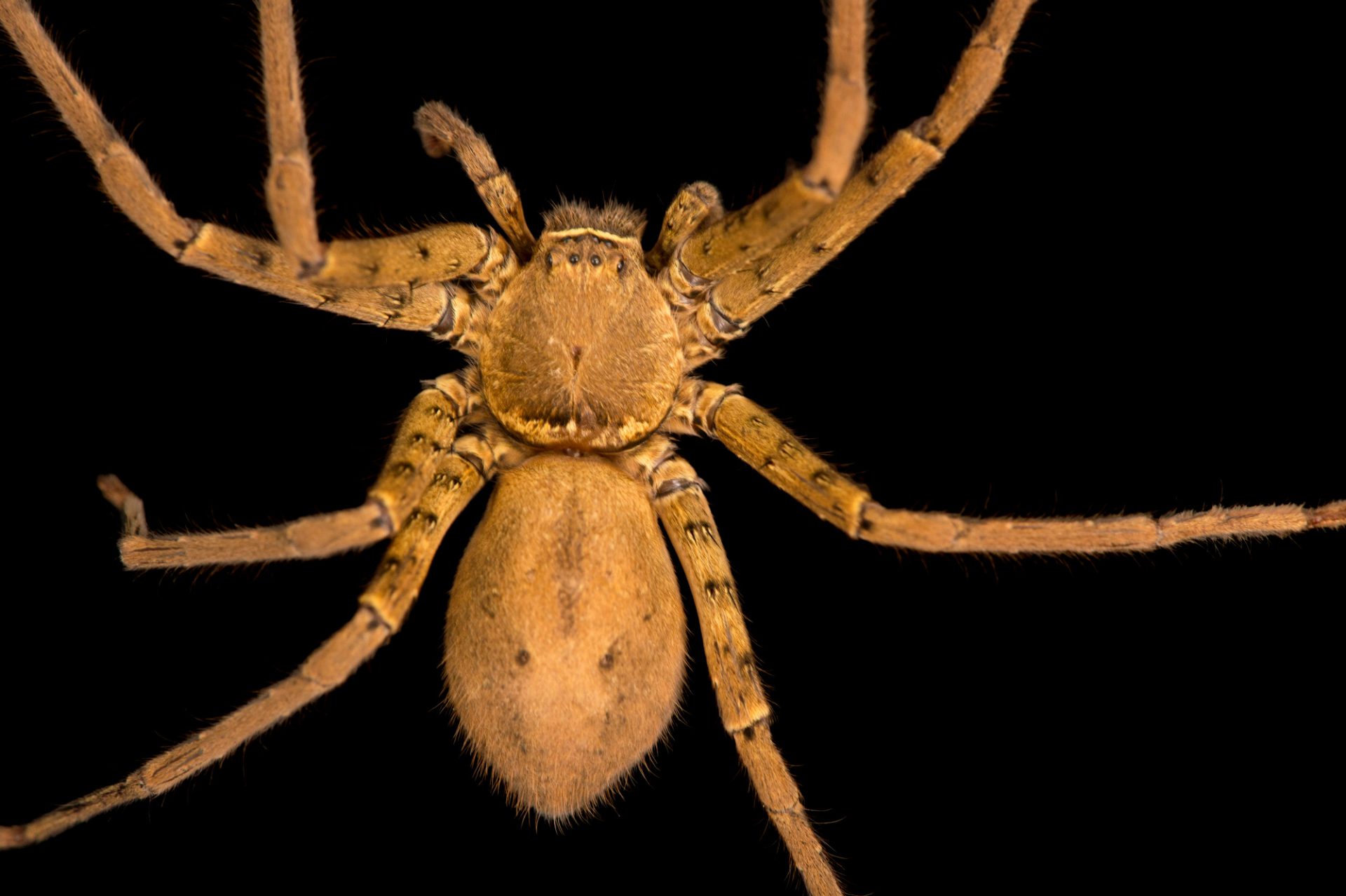
If you spot a Huntsman spider in your home, it’s important to stay calm and act safely. While these spiders are generally not dangerous to humans, their size and speed can be unsettling.
Here’s what you should do:
Steps to Take If You See a Huntsman Spider:
- Stay Calm:
Huntsman spiders are not aggressive and usually want to avoid humans. They’re more likely to run away than attack. - Do Not Panic:
Though they look intimidating, Huntsman spiders are not venomous to humans. Their bites are rare and typically cause only mild symptoms like redness or swelling. - Trap and Relocate:
- Use a Container:
Carefully place a glass or container over the spider and slide a piece of paper underneath. - Release Outside:
Gently carry the spider outside and release it far from your home.
- Use a Container:
- Seal Potential Entry Points:
- Check windows, doors, and other gaps to make sure spiders aren’t getting in. Use weatherstripping or sealant to block potential access.
- Consider Professional Help:
- If you find Huntsman spiders regularly in your home, or if you’re unsure about handling them, consider contacting a pest control professional for advice or assistance.
Huntsman Spider Myths and Misconceptions
There are many myths and misconceptions surrounding the Huntsman spider, often fueled by their large size and intimidating appearance.
Here’s a breakdown of some of the most common myths and the truth behind them:
Myth 1: Huntsman Spiders Are Aggressive
Fact: Huntsman spiders are actually quite shy and non-aggressive. They typically avoid human contact and will run away when threatened. They are not interested in attacking or chasing people.
Myth 2: Huntsman Spiders Are Venomous and Dangerous
Fact: While Huntsman spiders are venomous, their venom is not harmful to humans. They are not dangerous and rarely bite. Any bite from a Huntsman spider would typically cause only mild symptoms like redness or swelling, similar to a mild insect bite.
Myth 3: Huntsman Spiders Will Infest Your Home
Fact: Huntsman spiders do not create webs in your home like other spiders. They are wanderers and often find their way inside looking for food, such as insects. They don’t typically “infest” areas, and their presence usually indicates a healthy environment with plenty of insects for them to feed on.
Myth 4: Huntsman Spiders Are Always Large
Fact: While Huntsman spiders are large compared to many other spiders, their size varies greatly. Some species are quite small, and even the larger ones are not as intimidating as they might seem. The average leg span ranges from 4 to 12 inches.
Myth 5: Huntsman Spiders Are Impossible to Get Rid Of
Fact: Huntsman spiders are easy to remove from your home if you ever encounter one. Simply use a glass or container to trap them and then relocate them outside. Keeping your home sealed and free from other insects will also discourage their presence.
Myth 6: Huntsman Spiders Can Jump Great Distances
Fact: While Huntsman spiders can move quickly and may jump small distances when startled, they do not have the ability to jump great distances. They are better at running fast than making huge leaps.
Natural Role

Huntsman spiders play a crucial role in the ecosystem by helping to control populations of various insects.
Here’s a look at their natural role:
Insect Control
Huntsman spiders are natural predators of various household pests, such as cockroaches, crickets, and other insects. Their hunting style is to actively chase and catch prey rather than build webs to trap them, making them highly effective at reducing the number of unwanted insects in homes and gardens.
Beneficial to the Food Chain
In addition to feeding on insects, Huntsman spiders also serve as prey for larger animals, including birds and reptiles. This makes them an important part of the food chain in their natural habitat. They help maintain the balance of other species in the ecosystem.
Reduction of Pest Populations
By feeding on insects like termites and beetles, which can damage crops and wood structures, Huntsman spiders indirectly help prevent pest outbreaks. In agricultural and natural settings, they help reduce the need for pesticides, promoting a more sustainable environment.
Habitat Cleaners
As they feed on other insects, Huntsman spiders contribute to cleaning the environment by reducing decaying or rotting matter. Their presence helps keep ecosystems healthier and more balanced.
Tips to Keep Spiders Out of Your House
If you’re looking to keep spiders, including Huntsman spiders, out of your home, here are some effective tips to help you create a spider-free environment:
Seal Entry Points
Spiders can slip through even the smallest gaps. Inspect windows, doors, and walls for cracks, and seal them with caulk. Pay special attention to areas around utility pipes, vents, and window frames.
Keep Your Home Clean
Regularly clean your home to remove spider webs and food sources. Vacuum corners, under furniture, and along baseboards to eliminate spiders’ hiding spots and any insects they may be feeding on.
Remove Clutter
Spiders love dark, cluttered areas where they can hide. Keep your home tidy by decluttering storage spaces, basements, attics, and garages. Use airtight containers for storing items to reduce hiding opportunities.
Use Natural Repellents
Certain scents, like peppermint, eucalyptus, and citrus, are known to repel spiders. You can use essential oils or create your own spider repellent spray by mixing water and a few drops of these oils in a spray bottle. Spritz around windows, doors, and entryways.
Install Door Sweeps
Place door sweeps or weatherstripping on exterior doors to close gaps and prevent spiders from crawling inside.
Outdoor Maintenance
Trim back shrubs and trees that are close to your house, as they can act as bridges for spiders to enter. Keep your yard tidy, and remove leaves, twigs, and debris that might attract pests that spiders feed on.
Lighting Adjustments
Bright outdoor lights can attract insects, which in turn attract spiders. Use yellow or sodium vapor lights around your home, as they are less attractive to insects.
Install Mesh Screens
If you like to keep windows open, make sure they are fitted with tight-fitting mesh screens. This prevents not only spiders but also other pests from entering your home.
Conclusion
Huntsman spiders in Florida, though large and intimidating in appearance, are generally harmless and play an important role in controlling insect populations.
Understanding their behavior, knowing how to identify them, and dispelling common myths can help ease any concerns about their presence in your home.
While Huntsman spiders are not a significant threat to humans, taking simple steps like sealing entry points, maintaining cleanliness, and using natural repellents can help keep them—and other spiders—at bay.
By taking these proactive measures, you can create a more comfortable living space while respecting the natural role spiders play in maintaining ecological balance.
Remember, if you encounter a Huntsman spider, it’s best to remain calm and handle the situation with care. Most spiders, including Huntsman spiders, are more interested in staying out of sight than interacting with humans.
