


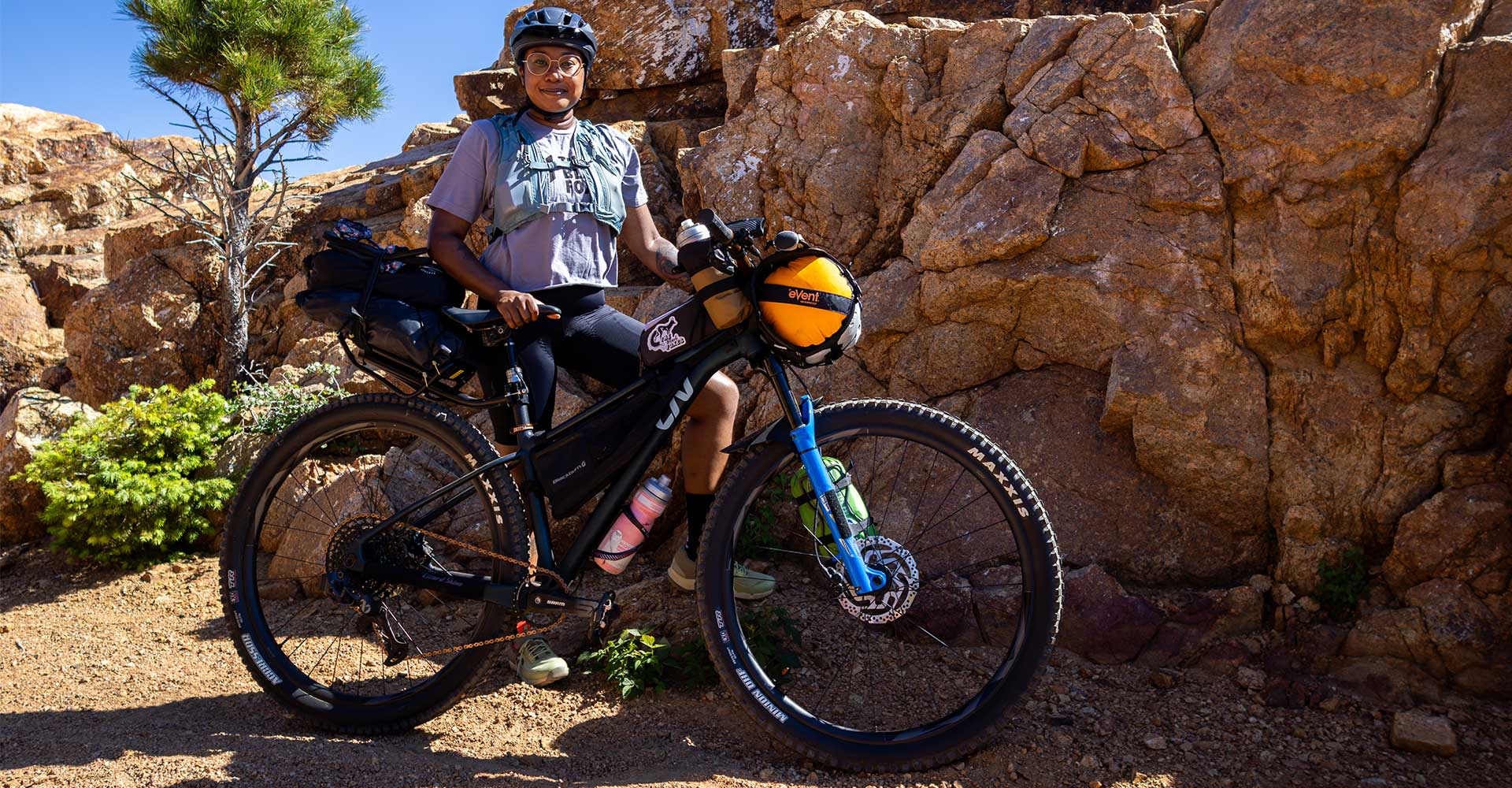
So you’ve decided to chase dirt, mountains, and maybe a little adrenaline across state lines. Whether you’re road-tripping to the high-desert trails of Moab, catching chairlifts in Vermont, or heading to a laid-back bike park weekend in Bentonville, your gear game needs to be on point. But packing for a mountain biking trip—especially one that crosses a few zip codes—can be overwhelming.
Here’s your no-fuss, stress-saving guide to packing for a mountain biking trip within the U.S.—complete with smart tips, road-tested recs, and a section just for those who prefer renting over lugging their own bike.
Step 1: Start With the Essentials (a.k.a. Don’t Forget Your
Helmet)
Let’s get real: you’d be shocked how many riders show up to the trailhead and realize their helmet is still sitting on the garage shelf. Make a checklist, double-check it, and start with the stuff you literally can’t ride without:
-
Helmet (bonus if it has MIPS or a GoPro mount)
-
Gloves
-
Hydration pack or bottle (and don’t forget water)
-
Riding shoes (clipless or flat—just make sure you bring the right pedals)
-
Padded shorts or bibs
-
Moisture-wicking jersey
-
Sunglasses or riding glasses
-
Trail map app downloaded offline (Trailforks, MTB Project, or Gaia GPS)
Pack like you’re heading into the woods with nothing but your bike—and then remember there’s usually a coffee shop and a gas station nearby. But still… don’t forget your helmet.
Step 2: Build a Trailside Fix Kit (Because Flats Happen)
You might not be a pro mechanic, but having a trail fix kit is non-negotiable. A flat tire on a remote loop without tools? That’s not an “adventure story.” That’s an Uber that costs $180 and an ego check.
Here’s what to throw in your kit:
-
Spare tube (even if you’re tubeless)
-
Tire levers
-
Multitool with chainbreaker
-
Patch kit
-
CO₂ cartridges or mini-pump
-
Extra derailleur hanger (for your specific bike model)
-
Zip ties and duct tape (bike world’s version of a Band-Aid and gauze)
-
Chain lube (especially if you’re riding in dusty or wet conditions)
Pro tip: Pre-pack this in a small pouch you can toss in your pack or saddlebag. You’ll thank yourself mid-ride when your buddy’s chain explodes and you’re suddenly the hero.
Step 3: Don’t Skip the Comfort Stuff
Long ride days mean post-ride chill time—and that can be so much better if you pack right.
-
Comfy camp chair or hammock
-
Slides or flip-flops for after the ride
-
Portable cooler for drinks and snacks
-
Sunscreen and bug spray
-
Recovery snacks (salty pretzels, protein bars, gummy bears—you do you)
-
Extra socks (nothing worse than damp feet on Day 2)
If you’re road tripping to multiple spots, pack a small duffel just for post-ride clothes. Nothing fancy—just something clean and cozy to toss on when you peel off your sweat-soaked kit.
Step 4: Plan for the Weather (Because Mother Nature’s a Wildcard)
Even if it’s sunny and 72° at home, don’t assume it’ll be the same at the trailhead. Mountain weather changes fast, and desert temps drop like crazy at night.
-
Lightweight rain jacket or wind shell
-
Insulated jacket or hoodie (especially for high-altitude spots like Park City or Mammoth)
-
Buff or neck gaiter (doubles as dust shield and sun protection)
-
Extra gloves if it’s a spring or fall trip
Layering is your best friend. You want to be able to strip down when climbing and bundle up when descending shady ridgelines.
Step 5: Rent Like a Pro (If You’re Not Bringing Your Bike)
Let’s be real: traveling with your own bike isn’t always worth the hassle. If you’re flying, limited on space, or just don’t want to stress about airline fees, bike rentals are a seriously solid option—and these days, the tech is top-tier.
When renting, keep in mind:
-
Plenty of shops across the country offer high-quality rentals—think of places like a Sedona, Salt Lake City, or Breckenridge mountain bike rental that’ll set you up with a full-suspension dream ride.
-
Know your size and riding style (trail, enduro, XC). Shops can match you with the right geometry and suspension setup.
-
Bring your own pedals if you’re picky—most shops will install them for you.
-
Double check if a helmet is included. Most shops have loaners, but they might not be the comfiest.
Also, don’t assume rentals are just for beginners. Many high-end shops offer current-year models from brands like Santa Cruz, Yeti, Trek, and Specialized—often dialed in better than your own rig at home. Plus, it’s a low-risk way to demo a dream bike before splurging.
Step 6: Organize Like You Actually Have Your Life Together
Ever dig through your trunk for 20 minutes trying to find a tire lever? Yeah, not cute. Organize your stuff into clear bins or packing cubes for sanity-saving clarity.
Suggested categories:
-
Ride gear
-
Casual clothes
-
Food/snacks
-
Tools + repair kit
-
First-aid + meds
-
Camping or hotel gear
Label them if you’re type-A. Or just toss color-coded bags in the backseat and pretend it’s organized. Either way, it beats living out of a tangled duffel full of mystery socks.
Step 7: Don’t Forget the Boring-But-Important Stuff
We’re not going to spend 1,000 words yelling about insurance and identification, but seriously—don’t skip this section.
-
ID and insurance card
-
Health insurance info (especially if traveling out-of-state)
-
Bike lock
-
Hotel confirmations or camping permits
-
Charging cables for your GPS/watch/phone/headlight
Also: stash a small first-aid kit with bandages, ibuprofen, and blister pads. Riding in a new place? Better safe than sorry.
The Bottom Line: Pack Smart, Ride Free
A good mountain biking trip isn’t just about the trails—it’s about showing up prepared enough that nothing gets in the way of your ride. Whether you’re renting a dream bike in Sedona or road-tripping to Oregon with your trusty hardtail, a little planning goes a long way toward keeping your stoke high and your stress low.
So check your bags, fill your water bottle, and get ready to chase those ribbons of dirt across the country. Your perfect ride—and post-ride beer—is just a few trailheads away.
