


The Connection Between Restaurant Furniture Layouts and Revenue
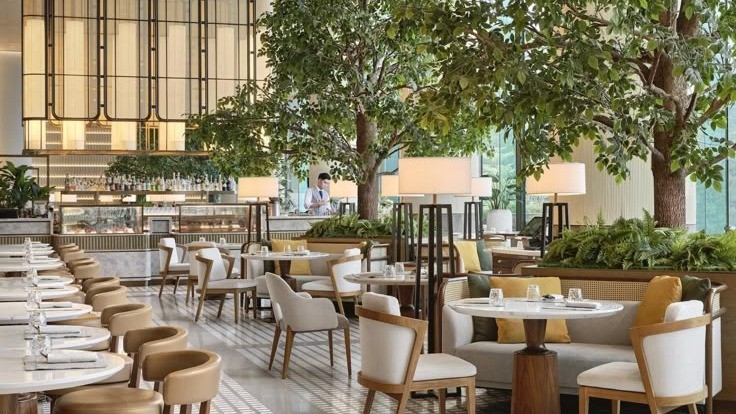
The way restaurant furniture is arranged directly influences customer flow, table turnover, and overall profitability. A poorly designed layout may create bottlenecks, limit seating, or make guests feel uncomfortable, ultimately reducing revenue potential. On the other hand, strategic layouts can maximize the number of tables without compromising comfort. Well-planned placement of chairs, booths, and tables ensures smooth movement for both staff and guests, leading to faster service and higher customer satisfaction. When restaurant furniture layouts align with operational goals, they create a balance between maximizing seating capacity and enhancing the dining experience. Even small adjustments, like reconfiguring table shapes or spacing, can boost turnover rates and encourage repeat visits. By treating layout as a profit-driving strategy rather than an afterthought, restaurants can significantly improve efficiency and revenue outcomes.
Optimizing Space Efficiency with Flexible Restaurant Furniture
Space efficiency is key to profitability, especially for restaurants operating in compact dining areas. Using versatile restaurant furniture, such as stackable chairs, folding tables, or modular seating, provides flexibility for changing customer needs. For example, two small square tables can be combined to seat a larger group, while foldable pieces allow quick adjustments for events or peak hours. Booth seating along walls can save floor space while maximizing guest comfort. The goal is to utilize every square foot efficiently without making the restaurant feel overcrowded. Smart space planning with adaptable furniture not only increases capacity but also reduces wait times, as staff can adjust layouts to accommodate varying party sizes. By investing in flexible restaurant furniture, owners can create dynamic spaces that adapt to demand, ensuring higher turnover rates and, ultimately, greater profits.
Enhancing Guest Experience Through Strategic Furniture Placement
While maximizing profits is crucial, the guest experience must remain central to furniture layout decisions. Strategic placement of restaurant furniture enhances comfort, privacy, and accessibility, leading to longer visits and higher spending. For example, tables spaced too closely may discourage guests from ordering extra items or staying longer, while well-spaced layouts encourage a relaxed, enjoyable dining atmosphere. Accessibility is equally important—clear pathways for staff improve service efficiency and reduce disruptions to guests. Strategic placement can also influence ambiance; booths offer intimacy for couples, while larger tables near windows or central areas attract groups. When guests feel comfortable and valued, they are more likely to return and recommend the restaurant. A thoughtful restaurant furniture layout not only maximizes space but also nurtures positive customer experiences, creating a strong foundation for profitability.
Balancing Capacity and Comfort in Restaurant Furniture Design
Finding the right balance between seating capacity and guest comfort is critical for long-term profitability. While it may be tempting to squeeze in as many tables as possible, overcrowding can harm the dining experience, leading to negative reviews and fewer repeat customers. Restaurant furniture should be chosen and arranged to provide adequate space per guest—ideally 18–24 inches between chairs and at least 36 inches between tables for smooth movement. Comfort-focused designs, such as cushioned chairs or sturdy booths, encourage guests to stay longer and spend more, while efficient layouts prevent wasted space. The best strategy blends comfort with capacity, ensuring that every seat contributes to revenue without compromising guest satisfaction. When restaurant furniture design strikes this balance, restaurants benefit from steady turnover, satisfied customers, and sustainable profits over time.
Conclusion
Smart layouts of restaurant furniture are essential tools for maximizing profits while maintaining a positive guest experience. A carefully planned arrangement influences revenue by improving seating efficiency, staff workflow, and customer comfort. Flexible furniture options allow restaurants to adapt to different needs, from busy evenings to private events, ensuring no space goes underutilized. Strategic placement enhances ambiance and accessibility, creating an inviting environment where guests feel valued and are encouraged to spend more. Striking the right balance between capacity and comfort safeguards long-term success, as satisfied customers are more likely to return and recommend the establishment. Ultimately, restaurant furniture is not just about style—it is a strategic investment that drives both customer satisfaction and business profitability. Owners who approach layout with intention and foresight unlock the full potential of their dining space.
