


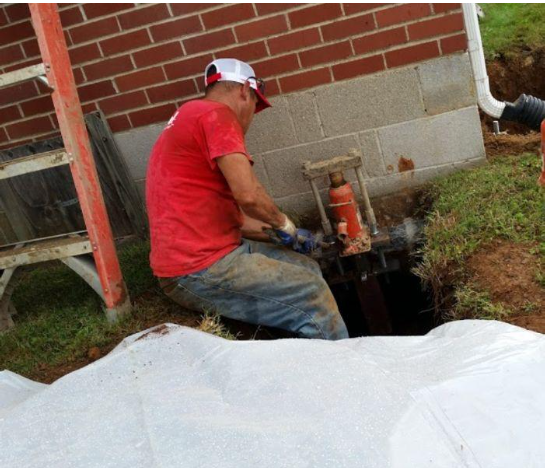
Your foundation works quietly beneath your house every day. It supports the structure, keeps floors level, and gives walls, doors, and windows the stability they need. Because most of it is hidden from view, foundation trouble often develops long before people realize something has changed.
In 2026, home foundation repair has become more focused on identifying why movement is happening instead of simply covering cracks. Modern inspection tools and repair systems give contractors more information about settlement, moisture, soil movement, and structural stress. If you’re researching local foundation services and common repair options, click here to learn more.
Foundation problems can sound alarming, but many issues develop slowly and have practical solutions. The key is recognizing warning signs, understanding what may be causing them, and getting the structure evaluated before movement becomes more serious.
Why Foundation Problems Develop Over Time
Foundation damage rarely has one simple cause. Soil conditions, water, construction methods, weather patterns, and aging materials can all affect the structure beneath a house.
Soil movement is especially important. Some soils expand when they absorb water and shrink as they dry. This repeated cycle can put pressure on foundation walls or leave parts of the foundation without consistent support.
Drainage problems can make the situation worse. Water that collects beside a house may saturate the surrounding soil, increase pressure against basement walls, or contribute to erosion beneath the structure.
Other possible causes include plumbing leaks, poorly compacted fill soil, aging concrete, tree roots, and landscape changes around the house.
Understanding the cause matters because successful home foundation repair should address the source of the movement whenever possible, not just the most visible symptom.
Foundation Warning Signs Worth Watching
Foundation problems don’t always begin with a dramatic crack running across a wall. Early signs may appear in several parts of the house.
Watch for changes such as:
- Stair-step cracks through brick or masonry
- Cracks along basement or foundation walls
- Floors that feel uneven or begin to slope
- Doors that suddenly rub, stick, or won’t close correctly
- Windows that become harder to open
- Gaps between walls, ceilings, floors, or trim
- Basement walls that appear bowed or pushed inward
- Visible sinking or lifting around sections of the foundation
One small crack doesn’t automatically mean major structural damage. Concrete naturally develops some cracks as it cures and ages. A pattern of new or growing changes, however, deserves closer attention.
Taking photos of suspicious areas every few months is a simple way to track movement. If a crack grows wider, spreads, or appears alongside other changes, a professional evaluation may be appropriate.
Modern Inspections Provide Better Information
Foundation inspections are more detailed than a simple walk-around of the basement with a flashlight.
Professionals may use laser levels, elevation measurements, moisture meters, crack measurements, drainage observations, and other tools to understand how different sections of a structure are behaving.
Elevation readings are especially useful when settlement is suspected. Measurements taken throughout the house can show where floors or foundation sections sit higher or lower than expected.
Moisture readings may also reveal areas affected by leaks, groundwater, or poor drainage.
These tools allow home foundation repair plans to be based on measurable conditions rather than assumptions. A contractor can compare movement across the structure and determine which areas deserve the most attention.
Pier Systems Offer Stronger Stabilization Options
Settlement occurs when the soil beneath part of a foundation no longer provides enough support. When settlement becomes significant, pier systems may transfer structural loads to stronger soil.
Push piers are steel sections installed deep into the ground until they reach soil that can support the structure. The pier system can then stabilize the foundation.
Helical piers use screw-shaped plates that rotate into the soil. Their design allows installers to monitor resistance during installation, providing useful information about the supporting soil.
Neither system is automatically better for every house. Soil conditions, foundation design, structural weight, access, and settlement all influence which method is appropriate.
Wall Stabilization Has Also Improved
Foundation settlement isn’t the only problem that can affect a house. Basement walls may also move inward as soil and water pressure build outside the structure.
Several modern systems are available depending on the amount of movement.
Carbon fiber reinforcement may suit certain walls with limited movement. The material is strong while taking up very little interior space.
Steel braces may be used when walls require additional structural support.
Wall anchor systems are another option in some situations. Anchors connect the foundation wall to stable soil farther from the structure.
Crack repair may also be part of the process, although filling a crack alone won’t correct active wall movement.
A proper home foundation repair evaluation should determine why the wall moved before choosing the repair method.
Water Management Protects Foundation Repairs
Water and foundations have an uneasy relationship. Too much moisture near the structure can change soil conditions and place added pressure on foundation walls.
Several simple maintenance habits can reduce those problems.
Keep gutters clear so rainwater doesn’t spill directly beside the house. Downspouts should discharge water away from the foundation rather than creating puddles near exterior walls.
Where practical, the ground should slope away from the structure. Low areas that repeatedly collect water deserve attention because they may keep soil around the foundation saturated.
Also check basements and crawl spaces for damp areas, staining, standing water, or unusual odors.
For additional information about controlling moisture around buildings, the U.S. Environmental Protection Agency provides guidance on moisture control in buildings.
Choosing Repairs Based On The Problem
Foundation repair isn’t a one-size-fits-all situation.
A settling slab may require a different solution from a bowed basement wall. A crawl space with failing supports creates different structural concerns than a foundation affected by drainage problems.
Before agreeing to repairs, ask what appears to be causing the movement and how you reached that conclusion.
Useful questions include:
- Where is the structure moving?
- What measurements were taken?
- Is the movement still active?
- What repair system is being proposed?
- Why is that system appropriate?
- Will drainage improvements also be needed?
- How will the repaired area be monitored?
Clear answers make it easier to understand what work is being proposed and why.
Staying Ahead Of Future Foundation Problems
You don’t need special equipment to monitor your foundation.
Walk around the outside of the house several times a year. Look at exposed foundation areas, brickwork, drainage paths, gutters, and downspouts.
Inside, watch doors, windows, floors, walls, basements, and crawl spaces. Gradual changes may be easier to spot when you compare them with photos taken several months earlier.
Seasonal observation is especially useful. Soil conditions may change after unusually wet periods, extended dry weather, freezing temperatures, or major storms.
Early awareness doesn’t prevent every problem, but it gives you more time to investigate unusual changes before they become larger repairs.
A Stronger Approach To Foundation Care
Foundation problems are easier to deal with when you understand what’s happening beneath the structure. Modern inspection methods, pier systems, wall stabilization techniques, and better moisture management give residents more options than ever before.
Successful home foundation repair starts with identifying the cause of movement and choosing a solution that matches the structure’s actual condition. Regular inspections, good drainage, and attention to small changes can also help you spot foundation problems early.
A foundation doesn’t need to be mysterious. A little awareness goes a long way toward protecting the structure supporting everything above it.
If you’ve noticed foundation cracks, uneven floors, sticking doors, wall movement, or other structural changes, Macomb Foundation Repair Experts provides foundation evaluations and repair solutions based on the needs of your property. Contact us to discuss what you’re seeing and explore the appropriate next steps for your foundation.
