


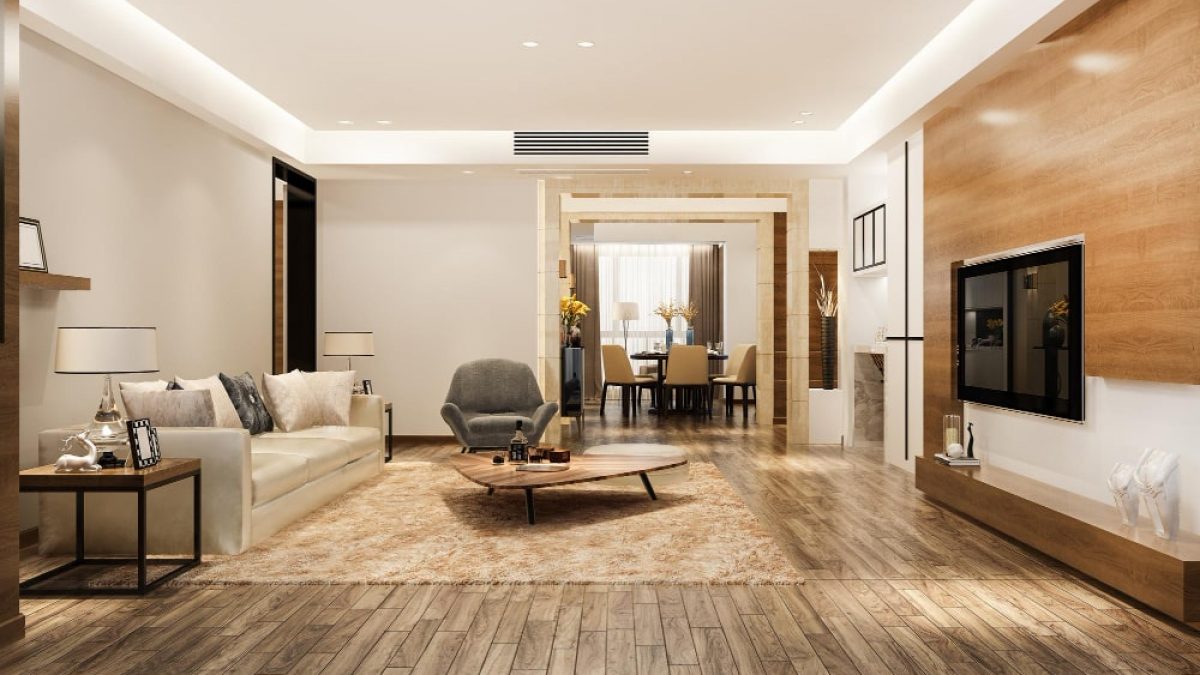
Selecting the perfect flooring for your home can feel overwhelming, especially with the variety of materials, colors, and finishes available today. Your decision affects not only how your home looks but also how it feels and functions. The right floor can elevate your home’s design, improve comfort, and even increase property value.
While it might be tempting to choose based on looks alone, other factors such as cost, durability, and maintenance are equally important. Spending a little more time and thought now can save you money and effort in the long run.
The answers are just ahead. Keep reading.
Understanding Flooring Options
Before considering cost or longevity, it’s essential to understand the most common flooring types and what makes each one unique. Each has its benefits, drawbacks, and ideal uses depending on your space and lifestyle.
Hardwood Flooring
Hardwood flooring remains a timeless favorite among homeowners. Its natural beauty and warmth give any space a sophisticated touch. Depending on the species and finish, hardwood can cost between $6 and $12 per square foot, including installation.
Though it requires a higher upfront investment, hardwood is known for its incredible longevity, often lasting for decades if properly cared for. Regular cleaning, refinishing, and protection from moisture can keep hardwood floors looking new for generations.
Laminate Flooring
Laminate flooring is a cost-effective alternative to hardwood that still provides an elegant look. It’s designed to mimic natural wood or stone at a fraction of the price, generally costing between $1 and $4 per square foot.
Laminate is durable and resistant to scratches and stains, making it ideal for busy households. While it doesn’t offer the same authenticity as real wood, it can last 15 to 25 years with proper maintenance, making it an excellent choice for homeowners on a budget.
Cork Flooring
Cork flooring is gaining popularity due to its eco-friendly nature and soft, comfortable feel. It provides natural insulation, helping regulate temperature and reduce noise levels in your home. Cork costs around $3 to $7 per square foot and can last 20 to 30 years with the right care.
However, cork is sensitive to moisture and may not be suitable for areas like bathrooms or basements. Still, it offers both comfort and sustainability for living rooms or bedrooms.
Vinyl Flooring
Vinyl flooring has improved significantly over the years, now offering realistic textures and styles that resemble hardwood or stone. It’s water-resistant and budget-friendly, typically ranging from $0.50 to $3 per square foot.
This makes vinyl ideal for kitchens, bathrooms, or basements. Depending on the quality, vinyl flooring can last 10 to 20 years. It requires minimal maintenance but can be prone to scratches if exposed to heavy furniture or sharp objects.
Tile Flooring
Tile flooring is one of the most durable options available. It can handle high foot traffic, resist stains, and tolerate moisture without damage. Tiles come in various materials, such as:
- ceramic
- porcelain
- natural stone
Depending on the material and installation complexity, it typically costs between $1 and $20 per square foot. With proper installation and maintenance, tile can last for more than 50 years, making it a long-term investment for your home.
Evaluating Costs
Cost is often the first factor homeowners consider when choosing flooring. However, the true cost of flooring extends beyond the price of materials. You also need to factor in installation, maintenance, and potential replacement over time.
Installation Expenses
Installation can significantly impact your total cost. For instance, hardwood and tile flooring generally require professional installation, which can add $2 to $5 per square foot.
Laminate and vinyl, on the other hand, can often be installed as a do-it-yourself project, saving money on labor. If you’re comfortable with home improvement tasks, choosing a DIY-friendly option could cut costs without sacrificing style.
Maintenance Costs
Different flooring materials have different maintenance needs. Hardwood floors require periodic refinishing to maintain their shine and durability. Tile floors may need grout cleaning and sealing, while carpet requires regular vacuuming and deep cleaning.
Vinyl and laminate floors are generally easier to care for, needing only routine sweeping and mopping. When budgeting, think beyond the purchase price and consider the ongoing care your floors will need.
Long-Term Value
While budget is important, longevity can make a higher upfront cost worthwhile. Investing in durable flooring such as hardwood or tile may save money in the long run because these materials can last decades without needing replacement.
Vinyl and laminate are more affordable short-term options, but may need replacing sooner. Consider how long you plan to stay in your home-if it’s a long-term residence, higher-quality flooring can be a smarter investment.
Considering Style and Design
The style of your flooring plays a major role in defining your home’s atmosphere. Whether you’re drawn to a cozy rustic vibe, a sleek modern design, or a timeless traditional look, your choice of flooring should reflect your personal taste.
Matching with Your Home’s Decor
The right flooring should complement your existing furniture and wall colors. Hardwood and cork create a warm, inviting ambiance that works well in living spaces and bedrooms. Vinyl or tile, with their variety of finishes, can bring a contemporary or minimalist feel to kitchens and bathrooms.
Always visualize how the flooring will look under your lighting conditions, as colors and textures can appear differently in natural and artificial light.
Staying Current with Trends
Design trends in flooring continue to evolve. Natural materials such as bamboo and reclaimed wood are becoming popular due to their sustainability. Large-format tiles and herringbone patterns are also trending, giving spaces a more luxurious look.
However, timeless options like oak hardwood or neutral-toned tiles remain safe choices that never go out of style.
Invest in the Right Floor for Your Home
Choosing the right flooring is an investment in your home’s comfort, functionality, and value. By understanding the differences between materials, evaluating both upfront and long-term costs, and considering your lifestyle needs, you can confidently select the perfect flooring.
Your decision should reflect your personal style and practical needs. Take your time to explore options, seek professional advice, and make a choice that will bring beauty and durability to your home for years to come.
Keep the journey going. Find more engaging content on our blog!
