


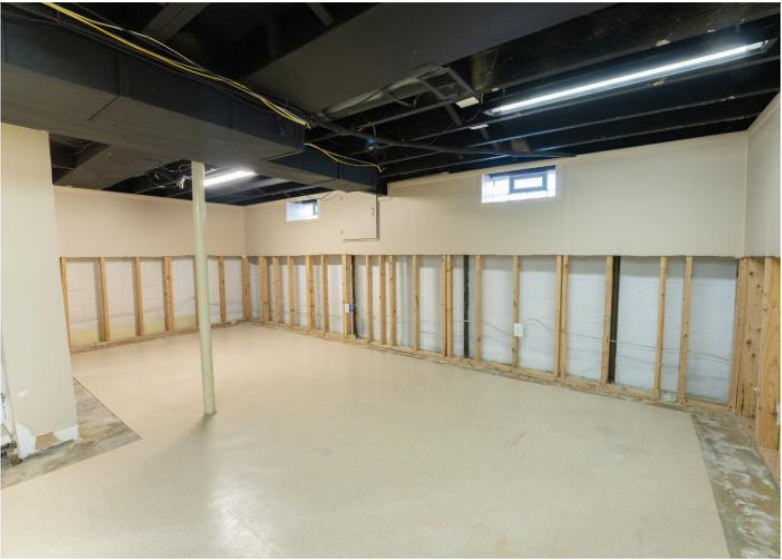
A damp or musty basement can quickly become a homeowner’s headache. From damaged belongings to mold growth, moisture in the basement poses serious challenges to both your property and health. Water infiltration demands attention whether you’re finishing a basement or trying to prevent future problems. Many homeowners ask: Can sealing basement walls from the inside solve the issue? Let’s learn how interior wall sealing fits into the bigger picture of basement waterproofing.
What Is Interior Basement Wall Sealing?
Interior basement wall sealing involves applying specialized waterproof paints, sealants, or epoxies directly to the walls. These materials act as barriers, blocking minor leaks and preventing moisture from penetrating further into the space. Homeowners often turn to interior sealing when they notice condensation, water stains, or minor seepage after heavy rain.
Basement waterproofing solutions, including interior wall sealing, play a critical role in protecting your home from moisture damage. While it may not solve every issue, interior sealing is a practical first step for addressing minor water problems.
How Effective Is Sealing Basement Walls from the Inside?
Sealing from the inside can help in many cases, particularly when moisture results from condensation or minor surface cracks. It can also prevent small leaks from spreading and make a basement more comfortable by reducing humidity.
However, it’s important to recognize that sealing walls alone won’t address water pressure or external foundation issues. If water seeps through foundation cracks or the floor, additional basement waterproofing methods will likely be necessary to resolve the problem long term. Interior sealing works best as part of a larger strategy to manage moisture.
Comparing Interior and Exterior Waterproofing Approaches
Understanding the difference between interior and exterior waterproofing makes it easier to decide which method suits your needs. Exterior waterproofing focuses on keeping water away from your foundation by installing drains, waterproof membranes, or grading the landscape around your home. On the other hand, interior waterproofing focuses on managing water that has already entered the space, such as with sump pumps, dehumidifiers, or wall sealants.
The most reliable basement waterproofing often combines both approaches. Sealing walls from the inside offers a quick solution for small leaks, while exterior waterproofing tackles more serious drainage problems.
Pros and Cons of Sealing Basement Walls from the Inside
Sealing basement walls from the inside offers several advantages but has limitations. Here’s a quick breakdown of what you can expect:
Pros:
- Easy to apply with DIY kits, saving time and money.
- Affordable compared to extensive exterior waterproofing methods.
- Effective for managing humidity and controlling minor leaks.
Cons:
- Cannot stop water infiltration from large foundation cracks.
- Might conceal structural issues that require professional repair.
- Needs occasional reapplication to remain effective over time.
When Should You Seal Basement Walls from the Inside?
Interior wall sealing works best in specific situations. It’s a great solution for homeowners dealing with:
- Humidity problems: High moisture levels causing mold or mildew.
- Minor wall cracks: Small cracks leaking water after rainfall.
- Partially finished basements: Adding a layer of protection to stop moisture before it becomes a bigger problem.
Interior basement waterproofing can help manage minor moisture issues without the need for major renovations. However, monitoring the space is essential to ensure small issues don’t develop into more serious water problems.
How to Seal Basement Walls: A Step-by-Step Guide
Here’s a simple guide for sealing your basement walls from the inside:
- Identify the Source of Moisture: Look for any signs of dampness, such as mold, water stains, or cracks in the walls or floors.
- Clean the Walls Thoroughly: Remove dust, dirt, and old paint to help the sealant bond to the wall surface.
- Choose the Right Sealer: Pick a product designed specifically for basement walls, such as waterproof paint or epoxy sealant.
- Apply the Sealant: Use a roller or brush to apply the product evenly across the surface. For best results, apply two coats.
- Monitor for Future Moisture: Check the walls periodically to see if moisture returns, and be prepared to reapply if necessary.
Conclusion
Sealing basement walls from the inside is a practical and affordable way to manage minor leaks and control moisture levels. It offers a straightforward solution for homeowners looking to prevent mold, mildew, or water damage in partially finished spaces. However, it’s important to keep in mind that interior sealing alone may not solve all moisture problems. A combination of interior and exterior waterproofing methods often provides the best protection.
If you’re facing persistent water issues in your basement, it might be time to call in the professionals. Battle Creek Foundation Repair Pros team offers comprehensive basement waterproofing services, from inspections to long-term solutions. Whether you need help sealing walls from the inside or addressing exterior drainage issues, we’re here to help. Contact us today for a free consultation and start protecting your home from moisture for good!
