


Key Takeaways:
- Re-roofing enhances your home’s defense against severe weather conditions.
- Upgrading roofing materials can improve energy efficiency and durability.
- Regular maintenance and timely repairs extend the lifespan of your roof.
Table of Contents:
- Importance of a Robust Roof
- Signs Your Roof Needs Attention
- Benefits of Re-Roofing
- Choosing the Right Materials
- Energy Efficiency and Insulation
- Maintenance Tips for Longevity
- Cost Considerations and Planning
- Conclusion
A home’s roof is one of its most important protective features, shielding the structure from rain, wind, sunlight, and changing weather conditions year-round. Over time, even well-maintained roofs can wear, compromising their ability to protect the home effectively. Re-roofing becomes an important investment when signs of aging, deterioration, or repeated repairs begin to affect the roof’s performance, helping maintain structural integrity while reducing the risk of more extensive damage.
Beyond standard upkeep, addressing localized structural wear or storm impact through professional roofing restoration services can stabilize damaged sections before complete system replacement becomes necessary. Timely care helps maintain weather resistance, protects underlying materials, and extends the functional life of existing roofing components without requiring immediate full-scale construction work.
Importance of a Robust Roof
The roof is more than a shelter; it acts as the primary barrier against rain, snow, high winds, and extreme temperatures. A durable, well-maintained roof keeps moisture and weather damage at bay, prevents insulation from becoming compromised, and safeguards your home’s structure. Overlooking roof health can lead to serious problems such as water infiltration, mold growth, and structural decay, all of which are far more expensive to fix than simple preventive care.
Signs Your Roof Needs Attention
Identifying early warning signals is the key to avoiding larger, more costly repairs. Homeowners should watch for cracked, curled, or missing shingles, water stains on ceilings or walls, and sagging areas in the roofline. Granule buildup in gutters is another sign that shingles are deteriorating. Addressing these indicators promptly can prevent water leaks, mold, and insulation damage before they become severe.
Benefits of Re-Roofing
Re-roofing offers several tangible advantages. First, it enhances your home’s defense against storms, high winds, and temperature extremes with new, modern materials. Installing a new roof can also drastically improve curb appeal and increase resale value, making it an attractive investment for homeowners considering a future sale. Additionally, innovative roofing technologies can lower your energy bills by providing better insulation and reflecting more sunlight.
Choosing the Right Materials
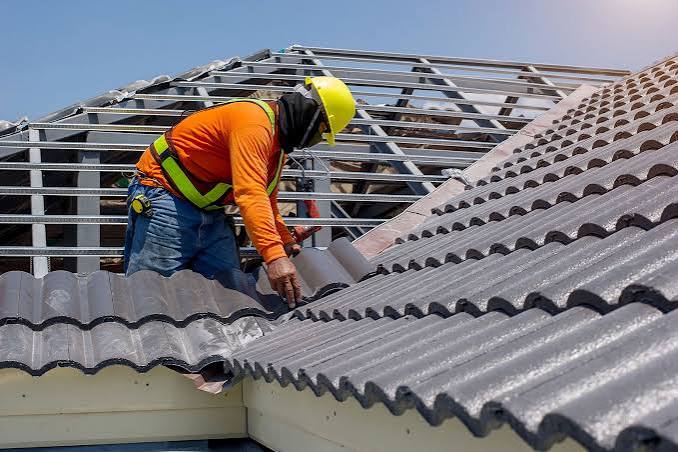
Selecting the optimal roofing material is critical for durability and performance in your local climate. Asphalt shingles remain a popular, cost-effective choice that adapts well to most weather conditions. Metal roofing has surged in popularity due to its resilience against wind and hail, sustainability, and extended lifespan. For homeowners in warmer climates, tile roofing combines durability with visual appeal. Each material has specific maintenance requirements and performance characteristics to weigh against your budget and long-term goals.
Energy Efficiency and Insulation
A new roof can transform your home’s energy profile. Upgraded insulation and effective venting help trap warmth during winter and reflect heat during summer, keeping your home comfortable year-round. Reflective roofing products, sometimes called “cool roofing,” are designed to minimize heat absorption, which can substantially reduce your cooling costs in hotter months. Adding proper insulation during a re-roofing project maximizes these benefits and can qualify homeowners for certain energy-saving tax credits.
Maintenance Tips for Longevity
Proactive maintenance is the best way to extend your roof’s lifespan. Conduct annual inspections to spot damage early, and clear gutters regularly to prevent water from backing up under shingles. Keep tree branches trimmed to minimize physical damage during storms and address even minor leaks immediately to avoid structural damage. These simple steps can protect your roof from premature aging and maintain your investment for decades. Beyond standard upkeep, addressing localized structural wear or storm impact through professional roofing restoration services can stabilize damaged sections before complete system replacement becomes necessary. Timely care helps maintain weather resistance, protects underlying materials, and extends the functional life of existing roofing components without requiring immediate full-scale construction work.
Cost Considerations and Planning
Re-roofing is a major home improvement, so planning for costs is essential. Request detailed estimates from several licensed contractors and factor in the price of materials, labor, permits, and potential repairs to the underlying structure. It’s wise to set aside a contingency budget for unexpected issues uncovered during installation. With smart planning and budgeting, homeowners can safeguard their homes without undue financial strain.
Conclusion
Investing in re-roofing protects your home from severe weather, enhances energy efficiency, and increases property value. By staying on top of maintenance and choosing quality materials, you provide your family with a secure environment and protect your investment for years to come.
