


You noticed the squinting first, or maybe the redness, the cloudy look, the way your dog started avoiding light or your cat stopped acting like herself. Eye problems feel urgent because they are. They also feel confusing because what looks like a simple eye issue can point to something happening deeper in the body. Uveitis in cats and dogs is one of those problems. It causes inflammation inside the eye, but the trigger is often not just the eye itself, which is why visiting an animal hospital in Dewitt can be an important next step.
That is the part that catches many pet owners off guard. You go in expecting eye drops and a quick fix, then hear words like infection, immune disease, cancer, trauma, or high blood pressure. That shift is hard. The good news is that spotting it early gives your veterinarian a better chance to protect vision and find the underlying cause before more damage is done.
Uveitis often signals disease beyond the eye
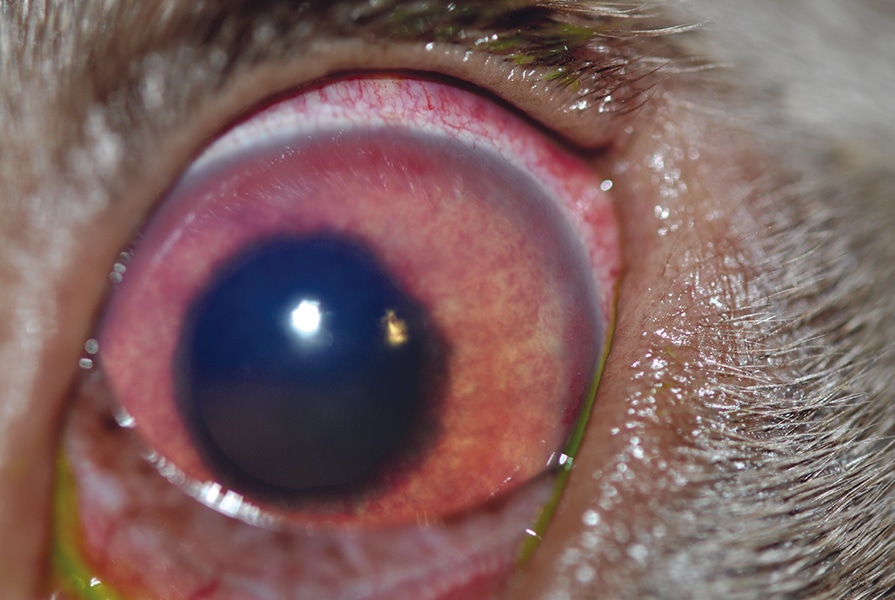
The uvea is the middle layer of the eye. It includes structures that help control light, nourish the eye, and support vision. When this tissue becomes inflamed, pets may show redness, tearing, squinting, pawing at the face, a small pupil, cloudiness, or a change in eye color. Some pets also seem tired, hide more, eat less, or act painful in ways that do not immediately look eye related.
Anterior uveitis in small animals can happen after direct injury to the eye, but it is also linked to systemic illness. According to the Merck Veterinary Manual overview of anterior uveitis in small animals, causes include infections, immune mediated disease, lens problems, cancer, and trauma. In cats, veterinarians often think about viral disease, toxoplasmosis, fungal infections, and cancer. In dogs, they may look for tick borne disease, immune conditions, diabetes related lens changes, or tumors.
This is why a painful eye can lead to bloodwork, blood pressure checks, imaging, or infectious disease testing. If the eye is treated without finding the cause, inflammation may keep returning, pressure inside the eye may rise or fall to dangerous levels, and vision can be lost. In severe cases, the eye becomes permanently damaged even if the redness improves for a short time.
Delays can raise the risk of vision loss and wider illness
Uveitis is painful. Pets do not always show pain in obvious ways, especially cats, but they feel it. They may sit in darker rooms, stop jumping, sleep more, or resist being touched around the face. A dog that seems suddenly clingy or withdrawn may be responding to discomfort you cannot fully see.
The bigger concern is what delay can cost. Inflammation inside the eye can lead to glaucoma, retinal damage, cataracts, bleeding, or scarring. If the root problem is an infection or cancer, waiting also gives that disease more time to spread or worsen. A red eye after rough play is one thing. A red eye that stays painful, looks cloudy, or comes with behavior changes needs prompt care.
Veterinary teams often approach this as both an eye emergency and a whole body problem. The University of Tennessee veterinary resource on uveitis explains that diagnostic work may include a full physical exam, eye pressure testing, fluorescein stain, blood tests, and screening for infectious or systemic disease. That can feel like a lot in one visit, especially when you came in focused on one eye, but it is often the safest path.
Signs, risks, and next steps are easier to weigh side by side
| What you notice at home | What it can mean | Why prompt veterinary care matters |
|---|---|---|
| Redness, squinting, tearing | Eye pain and internal inflammation | Treatment can reduce pain and limit damage to vision |
| Cloudy eye or change in pupil size | Uveitis, glaucoma, corneal disease, or trauma | These conditions can look similar but need different treatment |
| Hiding, low appetite, less activity | Pain or a body wide illness linked to the eye problem | The eye may be the first visible sign of a larger disease |
| Sudden vision changes | Retinal damage, bleeding, pressure changes | Fast evaluation gives the best chance to preserve sight |
| Repeated flare ups | Underlying infection, immune disease, or cancer | Recurring inflammation usually needs a deeper workup |
For many families, the hard part is balancing cost, urgency, and uncertainty. You may wonder whether to monitor for a day or come in right away. With pet uveitis, the safer choice is usually prompt evaluation. Home observation does not tell you whether the pressure in the eye is dangerously high or low, whether there is bleeding in the back of the eye, or whether your pet is showing the first sign of a systemic illness.
Clear steps help when your pet suddenly has a painful eye
- Treat any sudden eye change as urgent. Redness, squinting, cloudiness, unequal pupils, or light sensitivity should move up your list fast. Do not use leftover eye medication from a past problem. Some drops can make certain conditions worse, especially if there is a corneal ulcer or pressure problem.
- Watch the whole pet, not just the eye. Make note of appetite, energy, hiding, vomiting, coughing, weight loss, or recent injuries. Tell your veterinarian about travel, tick exposure, new medications, and any history of diabetes, high blood pressure, or immune disease. Those details help connect the eye inflammation to a possible body wide cause.
- Be ready for diagnostics and follow up. A small animal veterinary hospital may recommend eye testing along with bloodwork or imaging on the same day. Follow up visits matter because pressure, inflammation, and vision can change quickly. Even when the eye looks better, the underlying disease may still need treatment.
Protecting vision starts with finding the cause
When your pet has a painful eye, it is easy to hope it is minor and temporary. Sometimes it is. Sometimes it is the first visible sign that something larger is going on. Uveitis in cats and dogs can be linked to problems beyond the eye, and early care gives your pet the best chance for pain relief, vision protection, and the right treatment plan.
If your dog or cat is showing signs of eye pain, redness, or cloudiness, contact a small animal veterinary hospital as soon as possible and arrange an exam.
