


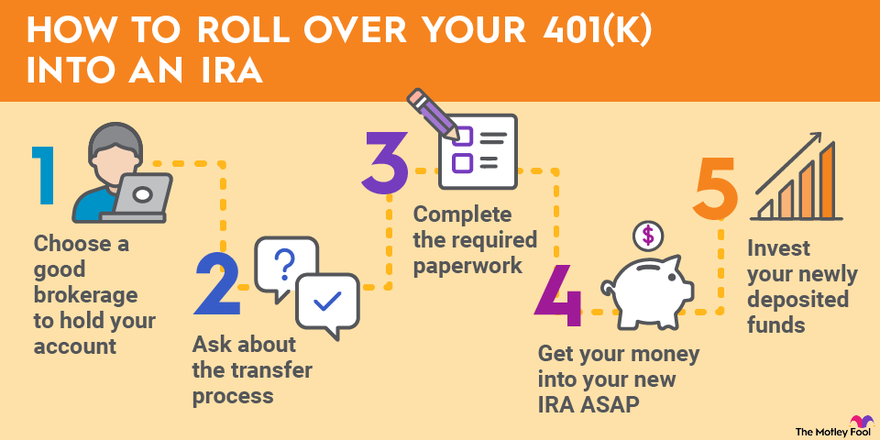
A 401(k) to Roth IRA transfer is a common move for people who want more flexibility in managing their retirement savings. Understanding how this process works and the potential benefits it offers is crucial for making an informed decision. Researching the question, “Can I transfer my 401k to a Roth IRA?” is vital to creating a comprehensive retirement strategy.
1) What is a 401(k) to Roth IRA Transfer?
A 401(k) is a retirement savings plan offered by employers, while a Roth IRA is an individual retirement account that provides tax-free withdrawals in retirement. When funds are transferred from a 401(k) to a Roth IRA, the money shifts from a tax-deferred account to one where future withdrawals are tax-free.
The amount transferred from the 401(k) to the Roth IRA is considered taxable income in the year the transfer occurs. Paying taxes upfront may seem like a downside, but the benefit of tax-free growth and withdrawals in the future can outweigh the initial cost.
2) Steps Involved in a 401(k) to Roth IRA Transfer
A few key steps should be followed to successfully transfer funds from a 401(k) to a Roth IRA. First, it’s essential to ensure eligibility. Some 401(k) plans only allow transfers after the employee has left the job, while others may offer an in-service transfer option.
The next step is to initiate the rollover. This can usually be done through a direct transfer, where the 401(k) plan sends the funds directly to the Roth IRA account. A direct transfer avoids penalties and makes the process smoother.
3) Tax Implications of a Roth IRA Conversion
Since Roth IRAs use after-tax dollars, converting 401(k) funds into a Roth IRA will result in paying taxes on the transferred amount. The tax will be based on the individual’s current income tax bracket in the year the transfer takes place.
This tax hit can be substantial depending on the 401(k) balance size. However, after the funds are in the Roth IRA, any future growth or withdrawals in retirement will be tax-free, making it a long-term benefit.
4) Benefits of Moving to a Roth IRA
Transferring funds from a 401(k) to a Roth IRA has several potential advantages. Unlike a 401(k), Roth IRAs do not have required minimum distributions (RMDs) at age 73, allowing the funds to grow tax-free for as long as desired. SoFi provides comprehensive guidance on rolling over a 401(k) into a Roth IRA, helping individuals take advantage of tax-free growth and withdrawals. This can be especially beneficial for those expecting to be in a higher tax bracket in retirement.
5) Potential Downsides to Consider
While there are many benefits to a 401(k) to Roth IRA transfer, it’s essential to consider potential downsides. Paying taxes upfront can be burdensome for some, especially if the 401(k) balance is large. This could result in a higher-than-expected tax bill for the year of conversion.
Additionally, once the funds are in a Roth IRA, the conversion cannot be undone. Careful planning is necessary to ensure that the conversion aligns with long-term financial goals and that the tax hit is manageable.
Transferring a 401(k) to a Roth IRA can provide flexibility, tax-free growth, and the ability to manage retirement savings more effectively. However, it is crucial to understand the steps involved, the tax implications, and the potential downsides. By carefully considering these factors, it is possible to make a well-informed decision about whether a 401(k) to Roth IRA transfer is right for retirement planning.
