


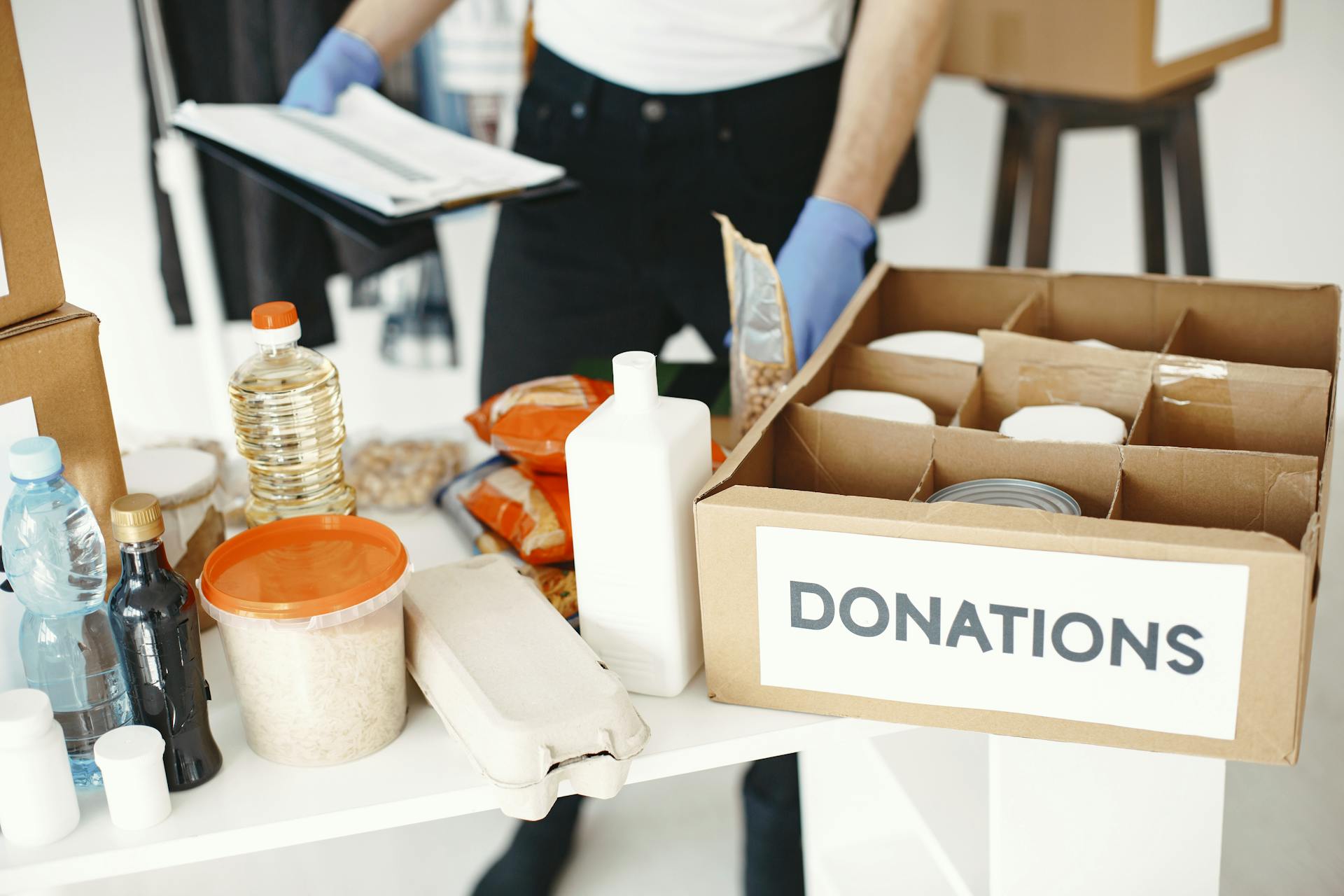
Food prices have become one of those everyday frustrations people casually bring up now without even planning to. It happens in random conversations. Someone complains about the price of eggs doubling again. Someone else talks about switching supermarkets because one store suddenly became too expensive. Another person mentions buying less meat this month and trying to “make things stretch.” None of it sounds so major but when the same conversations keep happening everywhere, it says something.
For a lot of families, inflation does not arrive as one huge financial disaster overnight. It shows up slowly in habits. A grocery cart looks slightly emptier than before. Fresh fruit gets skipped for a week or two. People start buying things because they last longer, not because they actually want them. And honestly, many people are exhausted by constantly thinking about prices.
Groceries are different from most other expenses because there is no real pause button. Rent matters, electricity matters, fuel matters, but food is daily. Constant. There is always another meal to think about, another grocery run coming up, another calculation happening quietly in someone’s head. That pressure is exactly why food distribution campaigns start becoming more important during difficult economic periods.
Not everybody struggling looks visibly poor. That part often gets missed. Sometimes it is a university student trying to cut expenses. Sometimes it is a full-time worker supporting parents and children at the same time. Sometimes it is an elderly person quietly buying the cheapest possible items because pension money no longer stretches the way it used to.

Food Sharing Exists Almost Everywhere
One thing that feels strangely reassuring is that nearly every culture already has traditions built around feeding other people.
During Thanksgiving and Christmas, churches and volunteer groups across the US, Canada, and parts of Europe organise food drives, meal distributions, and grocery collections. Schools place donation boxes near entrances. Local restaurants contribute extra food. Volunteers spend entire weekends packing meal kits for families they have never met. And over the last few years, many food banks have openly talked about demand increasing because more working families are now asking for help too.
In Sikh communities, langar remains one of the clearest examples of open community support anywhere in the world. Gurdwaras serve free meals every day to anyone who walks in. No complicated process. No questioning people about income. During periods of inflation, these kitchens become even more important because they provide something many people hesitate to ask for directly: reliable meals without embarrassment.
Hindu traditions also place strong importance on feeding others, especially during Diwali, Navratri, and temple gatherings. In many communities, meals are prepared in large quantities and shared freely among visitors, workers, travellers, and nearby families. Some temples continue food distribution year-round because local demand never fully disappears.
Across East Asia, food sharing traditions are deeply tied to family care and community support too. During Lunar New Year in China, food gifts and shared meals symbolise prosperity and togetherness. In Japan, local food banks and volunteer meal services have received more attention recently as rising living costs continue affecting students, single-parent households, and elderly residents living alone.
The customs themselves may look completely different depending on where someone lives, but the thinking behind them feels very familiar. When money becomes tight, communities naturally start organising around food because food is immediate. People feel the absence of it quickly.
Inflation Changes More Than Grocery Bills
A lot of discussions about inflation stay focused on numbers and economics, but daily life usually tells the story better. People rarely stop eating altogether. What happens instead is smaller compromises happening repeatedly over time.
Fresh meals become less common. Protein gets treated more like an occasional purchase instead of a normal part of dinner. Parents quietly reduce their own portions first. Cheap processed food becomes more attractive simply because it fills people up faster and costs less. After a while, those adjustments affect more than just nutrition. Stress levels increase. Energy drops. Families become mentally exhausted from constantly calculating expenses.
Teachers in a number of countries have discussed how students are becoming more dependent on school lunch programs. Food banks in many locations have observed an increase in the number of employed individuals in distribution lines; these individuals have regular employment but are still suffering to pay their bills, rent, gasoline, and transportation. That is why food campaigns matter more than people sometimes realise.
Sometimes the help itself is simple. A few grocery bags making it easier for a family to get through the week. A warm cooked meal reaching an elderly neighbour. Volunteers quietly dropping off food parcels without making someone feel ashamed for needing support.
A lot of donation systems have also shifted online in recent years. During Eid al-Adha, for example, many families now choose to donate qurbani through verified charities that distribute meat directly to vulnerable communities in different countries. Nowadays, they expect transparency. They want to know how food is distributed, where donations go, and whether assistance is truly reaching actual homes rather than vanishing into advertising efforts.
The Quiet Efforts Usually Matter the Most
Large charities still play an important role globally, but smaller local efforts are often the fastest to respond because they understand nearby problems more personally.
Mosques organising grocery bags after evening prayers. Temple volunteers cooking extra meals during difficult months. Community food banks posting urgent requests online because supplies ran low faster than expected. Neighbours helping neighbours without turning it into a public performance. Most of this work happens quietly. No cameras. No speeches. No polished social media campaigns. Just ordinary people trying to reduce pressure for someone else, even slightly.
And maybe that is exactly why food distribution campaigns continue to matter during inflation. They respond to a very human problem in a very human way at a time when many people are simply trying to stay financially steady without falling behind.
