


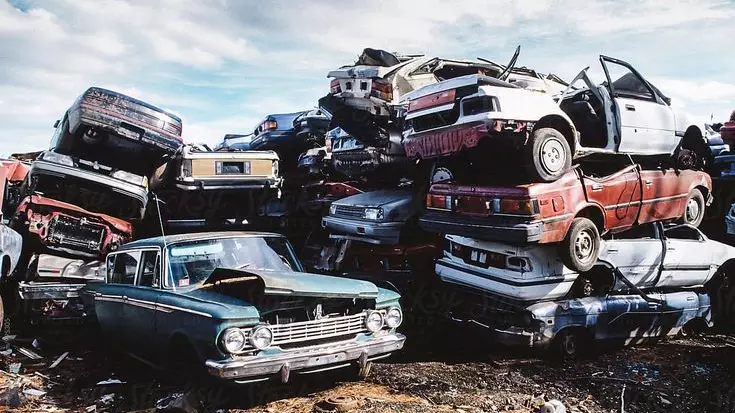
Are you considering getting rid of an old, unused vehicle in Ontario? Knowing how to scrap a car properly can save you time, money, and stress. This comprehensive guide covers everything from the basics of scrapping a car to specialized services like scrap car removal Toronto. Read on to learn how to dispose of your car responsibly while complying with Ontario regulations.
Understanding Car Scrapping in Ontario
Scrapping a car involves dismantling it and recycling or disposing of its parts. In Ontario, scrapping a car is not only an environmentally friendly approach to vehicle disposal but also a legal necessity to prevent abandoned vehicles from polluting our communities. Ensuring proper recycling of automotive components helps reduce hazardous waste and conserves resources.
Benefits of Scrapping Your Car
- Environmental Impact: Recycling metals and plastics lessens the need for new raw materials and reduces landfill waste.
- Financial Gains: Even an old car can be worth money. Salvage yards and scrap car removal services like those in Toronto might pay you for your vehicle.
- Safety and Compliance: Abandoned vehicles can pose safety hazards. Scrapping your car ensures that you are in compliance with local regulations.
- Space Efficiency: Removing an unused car from your property frees up valuable space.
How to Scrap a Car in Ontario: Step-by-Step
Whether you’re new to vehicle scrapping or have experience in scrapping a car, understanding the process is crucial. Here’s a step-by-step guide:
- Assess Your Car’s Condition
Before starting the scrapping process, evaluate the condition of your vehicle. Cars that are severely damaged, no longer running, or too old are ideal candidates for scrapping. Consider:
- Mechanical condition: Is your vehicle operational, or is it beyond repair?
- Physical damage: Does your car have extensive rust, structural damage, or wear and tear?
- Parts usability: Are parts like the engine, transmission, or battery salvageable?
- Gather Relevant Documentation
In Ontario, legal scrapping of a car requires proper paperwork. Ensure you have:
- Ownership proof: Vehicle title or ownership documents.
- Registration paperwork: Current registration helps verify that the car is de-registered post-scrapping.
- Identification: A valid government-issued ID.
Having these documents organized speeds up the process and avoids legal complications.
- De-register Your Vehicle
It is crucial to de-register your vehicle with the Ontario Ministry of Transportation (MTO) before selling it for scrap. Visit a ServiceOntario center or use their online services, as per current guidelines. De-registration ensures that you are no longer liable for taxes, insurance, or any penalties tied to the vehicle.
- Research and Contact Scrap Yards
There are numerous licensed scrap yards in Ontario that will pay you for your old vehicle. When choosing a provider:
- Compare offers: Request quotes from multiple scrap yards.
- Check reviews: Look online for customer testimonials and ratings.
- Verify licensing: Ensure that the scrap yard has the necessary licenses to operate in Ontario.
Many scrap yards also offer scrap car removal Toronto services, making it convenient if you’re located in or near Toronto. These services eliminate the hassle of transporting the vehicle yourself.
- Arrange for Scrap Car Removal
If your car is not in drivable condition, look for companies offering scrap car removal Toronto. These companies provide towing services that pick up your vehicle directly from your location. This is particularly useful in urban settings, saving you time and effort. Some tips when arranging scrap car removal:
- Confirm pricing: Ensure that the quoted price includes towing fees.
- Check service areas: Confirm they cover your specific region.
- Schedule convenient times: Arrange pickup at a time that suits your schedule.
- Complete the Transaction
Once you’ve agreed on a price with a scrap yard or removal service, review the contract carefully. The transaction may involve:
- Payment method: Confirm if payment will be made on the spot or through a bank transfer.
- Final inspection: Ensure that the vehicle’s state is documented, so there are no disputes later.
- Paperwork transfer: Make sure you receive a receipt and any necessary documentation confirming the transfer of ownership.
- Recycling and Disposal
The final step is the recycling process. Reputable scrap yards in Ontario follow eco-friendly practices. They dismantle the car, recycle metals like steel and aluminum, and dispose of non-recyclable parts responsibly. This process not only minimizes environmental impact but also contributes to a sustainable future.
Frequently Asked Questions (FAQs)
What Is the Difference Between Scrapping a Car and Selling It for Parts?
When scrapping a car, the primary goal is to safely dismantle and recycle the vehicle. Selling it for parts might fetch higher individual sums for components that are still in good condition. However, scrapping eliminates the hassle of parting out a vehicle and dealing with multiple buyers.
Are There Any Environmental Regulations for Scrapping a Car in Ontario?
Yes, Ontario has strict guidelines regarding recycling and disposal of automotive waste. Licensed scrap yards must comply with environmental regulations to ensure hazardous materials are not improperly released into the environment. Always choose a regulated scrap yard to ensure best practices are followed.
How Do I Know If I’m Getting a Fair Price?
Researching online reviews, asking for multiple quotes, and confirming industry standards can help determine if you’re being offered a fair price. Websites that specialize in automotive recycling can also provide insights into average scrap values.
Can I Scrap My Car If It’s Not Roadworthy?
Absolutely. Many scrap yard services in Ontario, especially those offering scrap car removal Toronto, are geared towards non-roadworthy vehicles. They handle cars in various conditions, including those that cannot be driven.
Best Practices for a Smooth Scrapping Process
Following these best practices can ensure a hassle-free experience when scrapping your car in Ontario:
- Plan Ahead: Start by collecting necessary documents and researching potential scrap yards. This preparation can save time later.
- Verify Service Credentials: Whether you’re dealing with a scrap yard or a removal service, make sure they have the appropriate licenses and a solid reputation.
- Maintain Communication: Keep all parties informed throughout the process. If using scrap car removal Toronto, confirm the pickup details clearly.
- Ask Questions: Don’t hesitate to ask the service provider about their process, environmental practices, and pricing structure.
- Keep Records: Save copies of all documentation and receipts related to the scrapping process. This might be useful for future reference.
Conclusion
Learning how to scrap a car properly in Ontario is essential for both environmental and legal reasons. By understanding the process—from assessing your vehicle’s condition to engaging with reputable scrap yards and arranging scrap car removal Toronto services—you can ensure your old car is disposed of responsibly and profitably.
Remember, scrapping a car is more than just a transaction; it’s a commitment to sustainable living and compliance with local regulations. By following the steps in this guide, you’ll not only maximize the value you receive but also contribute to a cleaner, greener Ontario.
If you have any questions or need further assistance with scrapping a car in Ontario, don’t hesitate to reach out to local service providers or visit government websites for updated guidelines. Your proactive approach ensures that every step of the process is handled with care, benefiting you and the community.
Embrace the opportunity to transform your unwanted vehicle into valuable recycled materials while enjoying the financial and environmental benefits of this sustainable practice.
By following this guide, you’re well-equipped with the knowledge needed to navigate car scrapping in Ontario with confidence. Whether you’re in Toronto or elsewhere in the province, responsible disposal of your old vehicle plays an important role in preserving our environment for future generations.
