


Selling a Jacksonville home that needs repairs can feel overwhelming, especially when roof age, drainage, insurance questions, or unfinished projects are involved. Before choosing a selling method, homeowners can benefit from assessing the property’s condition, their preferred timeline, and the potential costs of making improvements. Those considering a direct sale can review information from 33 Home Buyers to better understand how selling a property as-is may fit their circumstances and compare that option with a traditional listing.
Jacksonville includes older historic areas, riverfront neighborhoods, suburban communities, and coastal-influenced locations, so property condition issues can affect buyer interest and negotiations differently. Homeowners can also explore the process and options outlined by 33 Home Buyers as part of their research. Having a clear understanding of the home’s condition, disclosure obligations, and possible selling costs can help sellers avoid surprises once an inspection or contract negotiation begins.
Make the opening more engaging. Strengthen the direct-sale call to action
Why a Careful Plan Matters
Conditions can vary widely between Jacksonville neighborhoods, price ranges, and property types. Buyers generally compare a home that needs work to renovated listings, then factor in the cost, time, and uncertainty of repairs. The monthly Northeast Florida market reports can help sellers track changes in inventory and sales activity, but a home’s individual condition still plays a major role in its appeal.
A major repair need does not make a property impossible to sell. It does mean the likely buyer pool may be narrower, particularly when the home has water intrusion, structural concerns, outdated systems, or repair work that cannot easily be evaluated from a showing.
Start With a Full Property Review
Before investing in repairs or requesting offers, owners can walk through the home as objectively as possible. Homeowners comparing a direct-sale option can include 33 Home Buyers in that research, while still reviewing the property carefully enough to ask informed questions and compare terms.
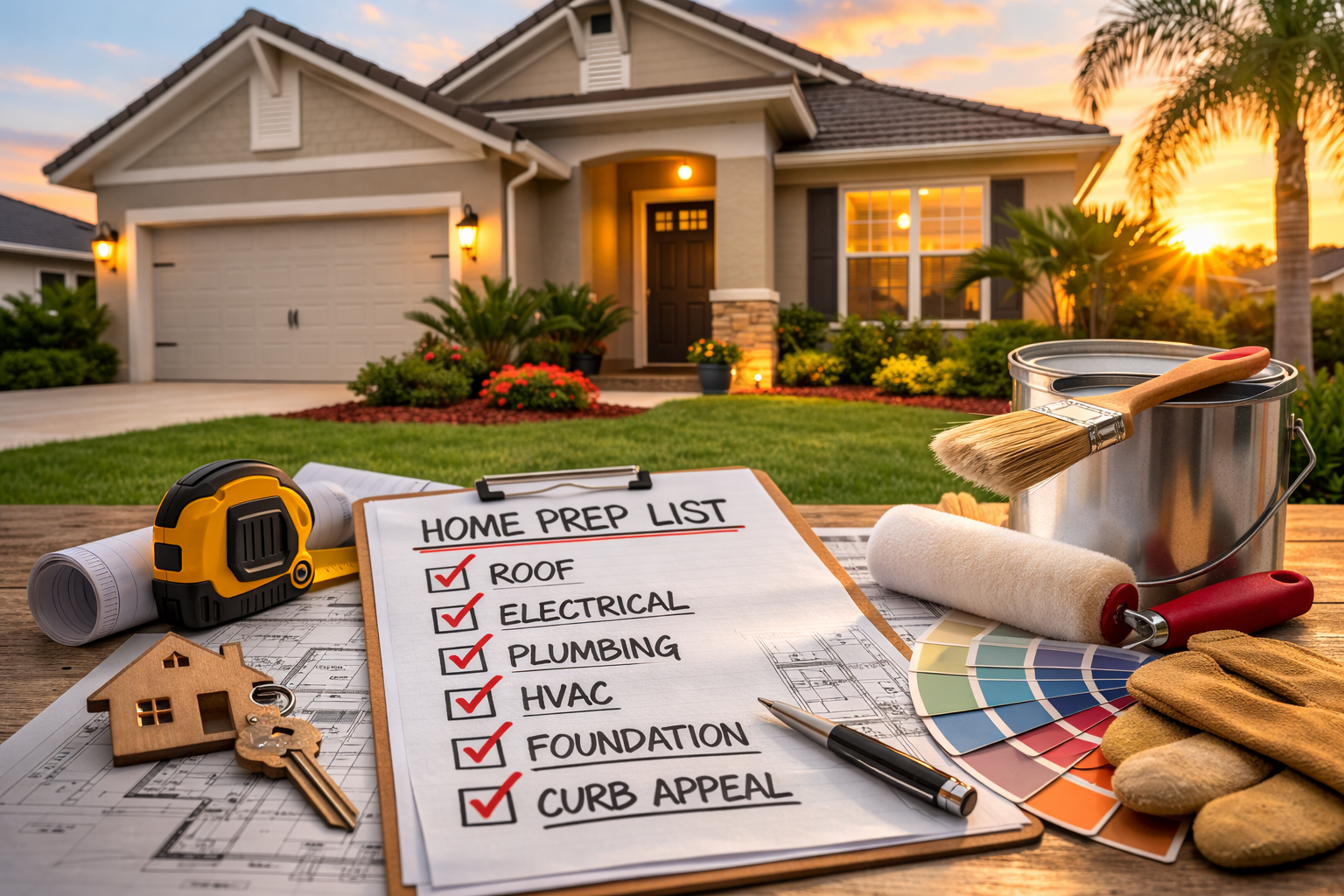
Look closely at the roof, plumbing, electrical panel, HVAC equipment, windows, foundation, drainage, and exterior siding. Make notes about visible defects, recent repairs, recurring problems, and work that was started but never completed.
Warning Signs Worth Documenting
- Roof leaks, missing shingles, or ceiling stains
- Standing water near the foundation or poor yard drainage
- Cracks in walls, uneven floors, or sticking doors
- Exposed wiring, an older electrical panel, or nonworking outlets
- Musty odors, mold-like growth, or water damage
- Broken heating or cooling equipment
- Unpermitted additions, enclosed patios, or unfinished renovations
Separate Repairs by Priority
Not every improvement deserves the same budget. Start with safety concerns and issues that could allow further damage, then consider cosmetic projects. Getting two or three estimates can provide a more useful cost range than relying on a single quote.
- Safety repairs: Electrical hazards, gas leaks, significant plumbing failures, and suspected structural issues.
- Value-protection repairs: Roof damage, active leaks, drainage problems, and failed HVAC equipment.
- Cosmetic updates: Paint, landscaping, flooring, fixtures, cleaning, and decluttering.
Before authorizing work, compare the expected cost with the likely benefit. A costly renovation may not be the best use of funds if the home has several larger condition concerns or the owner needs to sell quickly.
Review Insurance, Flood, and Storm Concerns
Jacksonville homeowners often need to consider heavy rain, drainage, wind, and tropical weather when preparing a property for sale. Buyers may ask about the roof’s age, previous water damage, insurance claims, flood history, and repairs made after a storm.
Keep receipts for roof work, plumbing repairs, drainage improvements, mitigation upgrades, and restoration services. Review any past claims and accurately disclose known property issues. If flood exposure is a concern, checking the property’s map status and discussing insurance questions early can prevent last-minute confusion.
Check Taxes, Liens, and Open Balances
Unpaid taxes, association balances, contractor claims, utility amounts, and code-related charges can complicate a closing. Sellers can review ownership, assessment, and related parcel information through the Duval County Property Appraiser’s property records, then ask a title company or real estate attorney to identify claims that may not appear in a basic property search.
Knowing the mortgage payoff amount and any other balances before accepting an offer makes it easier to estimate what may remain after closing expenses.
Compare Ways to Sell
Jacksonville sellers do not have one automatic solution for a house that needs work. A traditional listing may provide broad exposure but can involve showings, inspections, negotiations, financing delays, and repair requests. An as-is listing may reduce the amount of work completed before sale, although buyers may still factor repairs into their offers.
A direct sale may suit an owner who values a simpler process or a shorter timeline, but every seller should compare written terms, closing costs, inspection provisions, and the expected net proceeds. Keeping the property as a rental can also be an option for owners with reliable tenants, sufficient reserves, and the ability to manage ongoing maintenance.
Build a Realistic Price Range
Use recent closed home sales with similar locations, sizes, lot characteristics, and condition as a starting point. Active listings can show current competition, but they do not prove what buyers have actually paid. A realistic range should account for repair needs, older systems, vacancy, tenant issues, open permits, and drainage or water concerns.
Focus on estimated net proceeds rather than an advertised price alone. Repairs, insurance, taxes, holding costs, commissions, concessions, and closing expenses can all affect the final result.
Gather Documents Early
Organize mortgage payoff information, tax bills, insurance records, surveys, permits, repair receipts, inspection reports, leases, and HOA documents. Inherited homes, trust-owned property, divorce-related sales, and homes with multiple owners may require extra documentation or signatures.
Look Beyond the Offer Price
The highest offer is not always the strongest offer. Compare the buyer’s financing, earnest money, inspection rights, appraisal requirements, requested repairs, cancellation terms, closing date, and responsibility for closing expenses. Read the written contract carefully, because verbal assurances are difficult to rely on if they are not included in the agreement.
Prepare for Closing
Once a contract is in place, respond promptly to title and payoff requests, keep the home accessible for agreed inspections, and remove personal belongings and debris. Leave behind any fixtures or appliances included in the contract, confirm the final settlement figures before signing, and retain copies of all completed closing documents.
Jacksonville Home Sale Checklist
- Inspect the home from roof to foundation.
- Address safety and active water problems first.
- Review insurance, flood, tax, and permit information.
- Estimate repair costs and ongoing holding costs.
- Compare more than one selling path.
- Gather ownership, payoff, and repair documents.
- Evaluate every offer beyond its stated price.
Final Thoughts
Selling a Jacksonville home that needs repairs does not have to mean taking on an expensive renovation or navigating an uncertain listing process alone. The first step is understanding the property’s condition, identifying urgent issues, and comparing realistic selling options based on your timeline and expected net proceeds. If you prefer to avoid making repairs before selling, contact 33 Home Buyers to discuss a potential as-is sale and learn what options may be available for your property. Compare any written offer with the costs and timing of a traditional listing so you can choose the approach that best fits your needs.
