


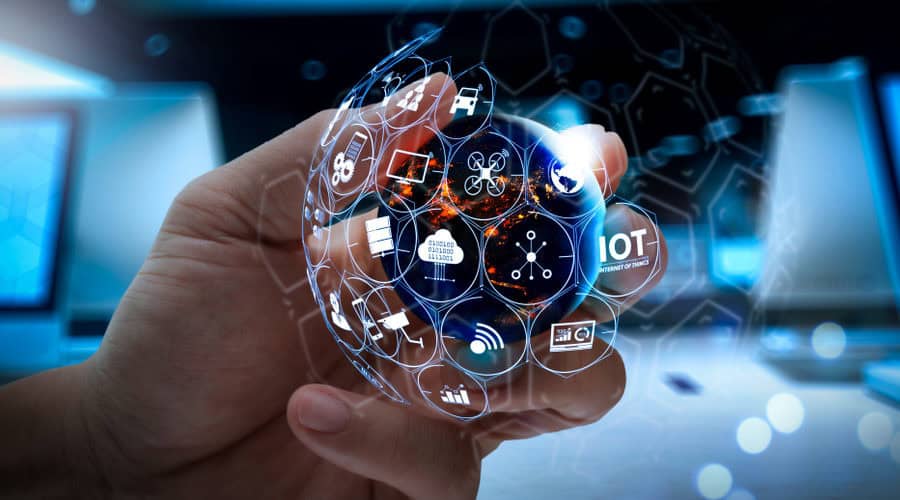
Have you ever wondered how businesses seem to know exactly what you’re looking for online? This isn’t just luck or coincidence—it’s the result of advanced tools and strategies reshaping the marketing world. The rise of marketing trends powered by emerging technologies transforms how digital campaigns are created and delivered. From artificial intelligence to personalized experiences, these tools are helping businesses connect with people more meaningfully than ever.
Personalized Campaigns: Meeting Customers Where They Are
One of the most significant shifts in digital marketing is the ability to personalize campaigns. Gone are the days of one-size-fits-all advertising. Businesses can now gather insights about user behavior, preferences, and needs to deliver highly targeted ads. Tools like machine learning analyze vast amounts of data in seconds, predicting what consumers want. This means customers see only relevant ads, improving their online experience and increasing the chances of a brand’s success.
For example, if someone frequently searches for eco-friendly products, they might start seeing ads promoting sustainable items. This tailored marketing builds trust and engagement because it makes consumers feel understood.
AI-Powered Tools: The Backbone of Modern Campaigns
Artificial intelligence is no longer just science fiction—it’s vital to digital marketing. AI tools are helping businesses optimize their campaigns with precision. From analyzing audience data to automating responses, AI handles tasks that were once time-consuming for human teams. This gives marketers more time to focus on creative strategies.
Chatbots, for instance, are an excellent example of AI improving customer service. These bots interact with users instantly, answering questions and offering product recommendations. Not only does this save time, but it also ensures potential customers get assistance around the clock.
Moreover, AI helps businesses track the performance of their campaigns in real-time. Marketers can adjust their strategies based on how well certain ads perform, ensuring better results without wasting resources.
Advanced-Data Analytics: Decoding the Consumer Mind
Data is like gold in today’s world. Businesses use it to understand what works and what doesn’t in their campaigns. Advanced data analytics tools make sense of complex consumer behaviors, providing insights that would be impossible to gather manually. Tools like those offered by Acxiom empower marketers to measure critical metrics, such as click-through rates, website engagement, and conversion paths. With these insights, companies can fine-tune their campaigns for maximum effectiveness and better consumer engagement.
For instance, if a campaign targeting teenagers isn’t getting much traction, marketers can adjust their approach—perhaps by changing the ad visuals or focusing on a different platform where teens are more active.
Voice and Visual Search: The Future of Interaction
How people search for information online is also changing. Voice assistants like smart speakers and visual search tools are becoming common. Instead of typing keywords, users can now ask questions or upload images to find what they need. This shift means marketers need to rethink how they present their content.
For example, a brand that sells sneakers can optimize its product descriptions for voice searches by including conversational phrases. Similarly, by using high-quality images, they can make their products discoverable through visual search tools. These technologies make searching faster and more convenient, benefiting consumers and businesses.
Immersive Experiences: Bridging the Digital and Physical Worlds
Another exciting development in digital marketing is using immersive technologies like augmented reality (AR) and virtual reality (VR). These tools allow users to engage with products in a way that feels almost real. For instance, a furniture store might let customers use AR to see how a couch looks in their living room before buying it.
Such experiences enhance customer satisfaction and increase the likelihood of a purchase. By giving people a hands-on experience with their products, brands create stronger connections and stand out in a crowded market.
Emerging technology is reshaping how businesses connect with consumers, making digital campaigns smarter, more engaging, and more effective. These advancements, from personalized ads to immersive experiences, ensure that every interaction feels meaningful. As marketing trends continue to evolve, it’s clear that technology will remain at the heart of this exciting transformation.
