


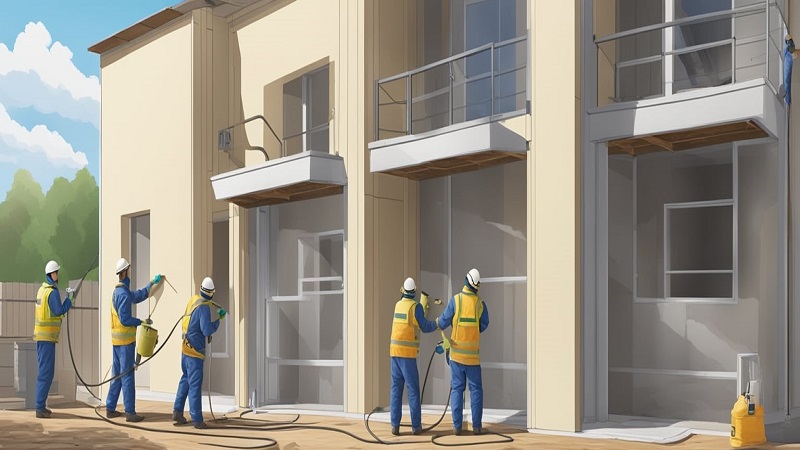
Spray foam insulation has become increasingly popular in homes across the South West. While it offers excellent energy efficiency, there are times when removal becomes necessary.
Proper spray foam insulation removal is crucial for addressing moisture problems, preventing rot, and mitigating potential health risks. This process requires specialized knowledge and equipment to ensure safe and effective results.
Homeowners embarking on renovation projects often encounter unexpected challenges with existing insulation. Understanding the complexities of spray foam removal can help prepare for a smoother renovation experience and improve overall home comfort and energy performance.
Understanding the Basics of Spray Foam Insulation Removal
Spray foam insulation removal is a complex process that requires careful planning and execution. It involves addressing safety concerns, using appropriate tools, and understanding the reasons for removal.
Why Removal Is Necessary
Spray foam insulation removal may be required due to various factors. Poor installation can lead to gaps and inconsistencies, reducing insulation effectiveness. Moisture issues often arise when spray foam traps water, causing structural damage and mould growth. In some cases, the foam may deteriorate over time, releasing particles that pose health risks.
Structural damage is another reason for removal. If the foam has expanded excessively, it can put pressure on walls or ceilings. This can lead to cracks or warping of building materials.
Health concerns also play a role. Some individuals may experience allergic reactions or respiratory issues due to off-gassing from certain spray foam products.
Identifying Potential Hazards
Spray foam removal presents several potential hazards. Airborne particles released during the process can irritate eyes, skin, and lungs. Proper protective gear is essential to mitigate these risks.
Chemical exposure is another concern. Some removal methods involve solvents that can be harmful if inhaled or absorbed through the skin. Adequate ventilation and safety precautions are crucial.
Structural integrity must be considered. Improper removal techniques can damage underlying surfaces or compromise the building’s structure. Careful assessment before and during the removal process is necessary.
Fire hazards may exist, especially with older foam installations. Some older products are more flammable and require extra caution during removal.
Tools and Materials Needed
Proper tools are essential for safe and effective spray foam removal. Protective gear is a top priority. This includes:
- Respirator with appropriate filters
- Safety goggles
- Chemical-resistant gloves
- Disposable coveralls
For mechanical removal, the following tools are typically used:
- Utility knife
- Scrapers of various sizes
- Reciprocating saw
- Heat gun (for softening foam)
A high-powered vacuum with HEPA filtration is crucial for capturing foam particles and dust. Containment materials like plastic sheeting and tape help isolate the work area.
Chemical removal may require solvents like acetone. These should be used cautiously and only when necessary. Proper disposal containers for removed foam and chemicals are also needed.
Executing Spray Foam Insulation Removal
Removing spray foam insulation requires careful planning and execution. The process involves specific techniques, safety measures, and proper disposal methods.
DIY Removal Techniques
Homeowners can remove small amounts of spray foam insulation themselves. Protective gear is essential, including gloves, goggles, and a respirator. A utility knife or saw can cut through the foam, while a scraper helps remove it from surfaces.
For larger areas, specialized tools like foam removal saws or hot wire cutters are more effective. These tools slice through the insulation, making it easier to peel away from walls or ceilings.
Ventilation is crucial during the removal process. Open windows and use fans to circulate air and reduce exposure to dust and fumes.
Professional Insulation Removal Services
For extensive removal jobs, professional services are recommended. Experts have access to advanced equipment and techniques for efficient removal.
Professional teams use mechanical removal methods, such as specialized saws and vacuum systems. These tools allow for precise cutting and immediate debris collection.
Reputable companies provide detailed quotes, including labor costs and disposal fees. They should also document the removal process and assess any structural issues uncovered during the work.
Professionals can handle complicated areas like attics, crawl spaces, and areas around electrical wiring or plumbing.
Cleanup and Post-Removal Process
After removal, thorough cleanup is essential. Vacuum all surfaces to remove foam particles and dust. Wipe down walls, floors, and other affected areas with appropriate cleaning solutions.
Proper disposal of removed foam is crucial. Many regions have specific guidelines for insulation disposal. Some materials may be recyclable, while others require special handling as construction waste.
Inspect the exposed areas for any damage to drywall, concrete surfaces, or wooden structures. Address any issues before proceeding with re-insulation.
Consider having the area professionally cleaned to ensure all residues are removed. This step is particularly important if the space will be immediately re-insulated or renovated.
