
Did you know that the global first aid training market is expected to grow to $7.7 billion by 2032? This shows the growing awareness and importance of first aid knowledge worldwide.
Knowing how to respond to emergencies can save lives. Every second counts and quick action is crucial. First aid skills help you stay calm and act with confidence.
Whether it’s a heart attack, a deep cut, or choking, your knowledge can make a difference. Learning these skills prepares you for unexpected situations.
This article covers essential first aid skills everyone should know. Keep reading to learn more.
Cardiopulmonary Resuscitation (CPR)
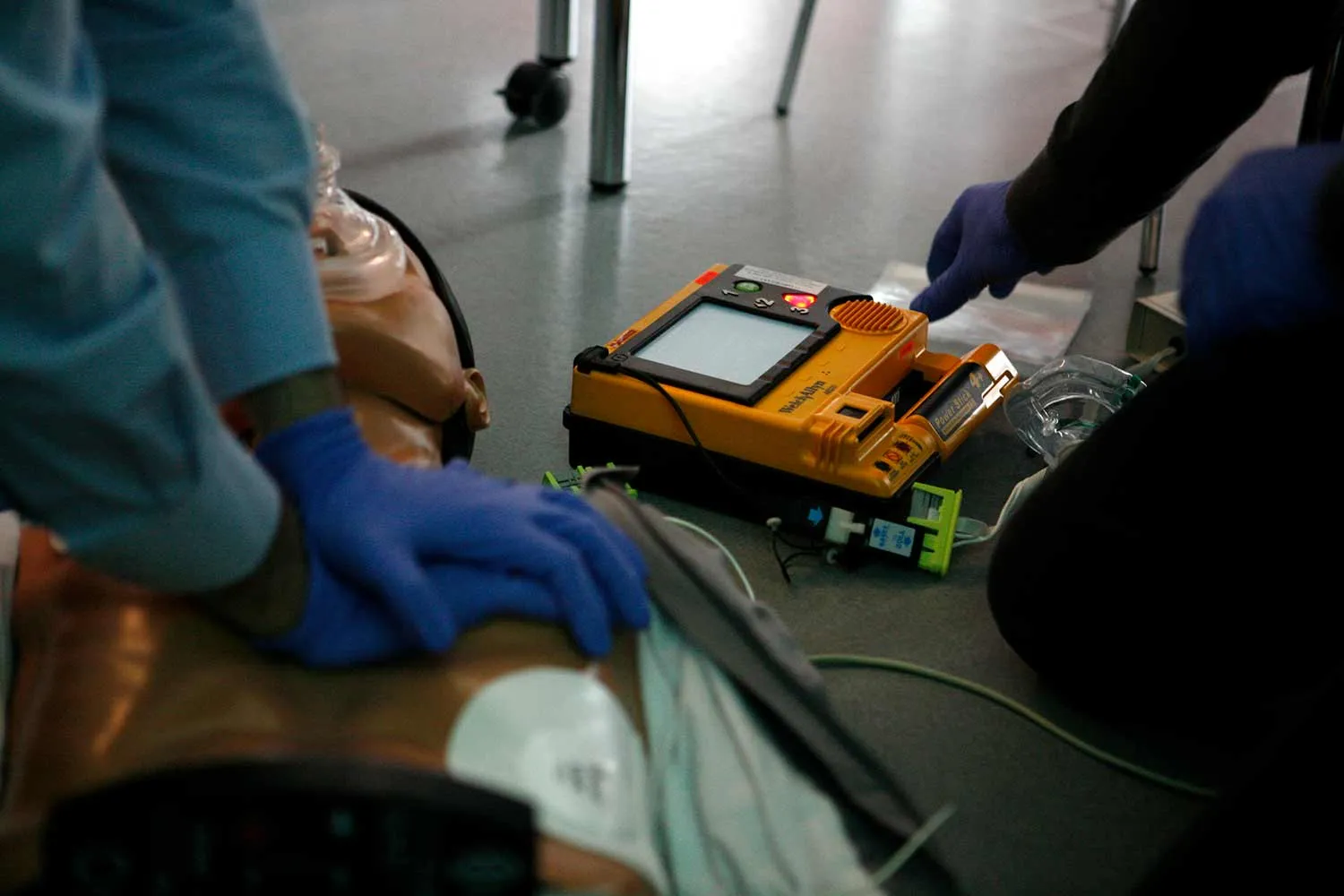
CPR is one of the most important lifesaving skills. It can double or even triple a cardiac arrest victim’s chance of survival. This technique uses chest compressions and rescue breaths to keep blood flowing.
It helps deliver oxygen to vital organs until medical help arrives. Learning CPR can prepare you for emergencies.
Regular training keeps you updated on new techniques. Many organizations offer CPR classes for beginners. Knowing CPR can help you save a life.
Wound Care
Wounds can range from small cuts to deep injuries. Knowing how to treat them is important.
Clean the wound with water and soap to prevent infection. Apply antibiotic ointment and cover it with a sterile bandage.
For serious wounds, stopping the bleeding is crucial. Apply direct pressure to slow blood loss. Elevate the injury if possible. Seek medical help for deep or uncontrollable bleeding.
Choking Relief Techniques
Choking can happen anytime. Quick action can save a life.
The Heimlich maneuver is used for adults. Stand behind them, wrap your arms around their waist, and push inward and upward.
Infants need a different method. Place the baby face down on your forearm. Give five gentle back blows to clear the airway.
Recognizing Signs of Stroke
Knowing the signs of a stroke can save lives. The acronym FAST helps identify symptoms. Face drooping, Arm weakness, Speech difficulties, and Time to call emergency services are key signs.
If someone shows these signs, call for help immediately. Early treatment works best within the first few hours.
Do not wait to see if symptoms go away. Fast action can prevent serious damage.
Basic Burn Treatment
Burns can be caused by heat, chemicals, or electricity. Cool the burn under running water for at least ten minutes. Do not use ice, as it can cause more damage.
Burns have different severity levels. Minor burns can be treated at home.
Severe burns need professional care. Knowing the difference helps in giving the right treatment.
Using an Automated External Defibrillator (AED)
An Automated External Defibrillator (AED) helps restore a normal heart rhythm. It is used during cardiac emergencies.
Many public places have AEDs available. Knowing how to use one can save a life. It works best within minutes of cardiac arrest.
Training in AED use is important. Many programs teach these skills. Resources like MyCPR NOW can provide valuable training in these skills.
Essential Emergency Preparedness
Learning first aid skills helps you handle emergencies with confidence. CPR, wound care, and other skills are important. Each one plays a key role in saving lives.
You never know when you might need these skills. Start learning first aid today. It could make all the difference.
Was this helpful? If so, please keep browsing our site to find more useful information!
