


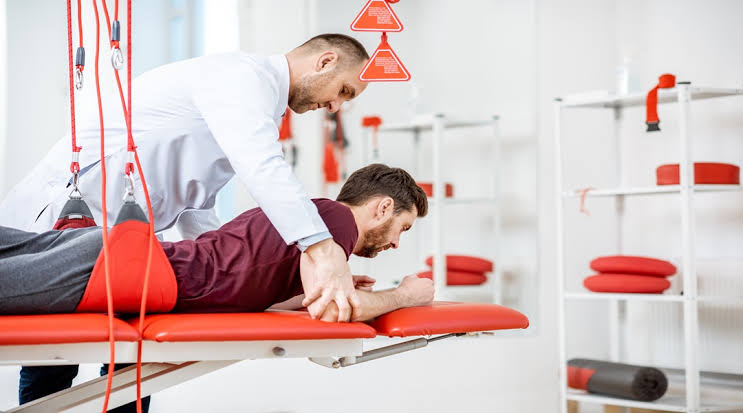
Physical trauma from an unexpected mishap, whether navigating stop-and-go congestion along the Capital Beltway, slipping on icy steps, or sustaining an injury on the job, can leave the musculoskeletal system compromised. Even incidents that initially seem minor frequently cause hidden strains, delayed stiffness, and structural misalignment that build up over time. For individuals seeking supportive pathways toward physical rehabilitation, non-invasive chiropractic care offers a structured approach to restoring joint mechanics, easing soft-tissue tension, and promoting long-term healing.
Understanding the Physical Impact of Sudden Accidents
During a sudden collision, fall, or severe physical jolt, the body absorbs substantial kinetic energy. This sudden deceleration often forces the spine beyond its standard range of motion, potentially straining the surrounding ligaments, tendons, and spinal discs. While emergency medical care remains the essential first step to rule out fractures and severe trauma, post-acute pain frequently stems from less obvious disruptions, such as:
- Whiplash and Cervical Strain: Rapid back-and-forth movement that overextends the neck muscles.
- Micro-tears in Soft Tissue: Damage to deeper muscle fibers that leads to inflammation and reduced range of motion.
- Spinal Subluxation: Minor joint shifts that can place pressure on neighboring nerve pathways.
Because the body naturally produces adrenaline following an accident, pain signals may remain subdued for days or weeks. Left unaddressed, lingering tension can develop into chronic postural compensation and persistent discomfort.
Why Consult a Chiropractor for Work Accident or Injury Recovery?
Occupational environments present their own distinct physical demands. From warehouse distribution hubs across Northern Virginia to construction sites and long hours behind desks in Alexandria corporate offices, workplace tasks often test the body’s mechanical limits. When physical trauma occurs on the clock, consulting a chiropractor for work accident recovery can help address biomechanical strain without relying solely on passive rest.
Chiropractic rehabilitation focuses on restoring functional balance through targeted modalities:
- Gentle Spinal Adjustments: Controlled, low-force mobilizations can help realign vertebrae, potentially easing local nerve irritation and restoring normal joint function.
- Soft-Tissue Therapy: Techniques such as myofascial release may reduce scar tissue formation, alleviate muscle spasms, and encourage healthy blood flow to affected areas.
- Corrective Rehabilitation Exercises: Tailored stretching and strengthening programs help stabilize compromised muscle groups, which may lower the likelihood of re-injury once normal daily routines resume.
Practical Steps for Alexandria Residents Navigating Recovery
Managing recovery while balancing daily responsibilities requires a proactive, step-by-step approach:
- Seek Timely Evaluation: Addressing musculoskeletal concerns early generally helps prevent chronic compensations from taking hold.
- Maintain Accurate Records: Keep detailed personal documentation of pain symptoms, dates of onset, and functional limitations experienced throughout the day.
- Pair Adjustments with Lifestyle Adjustments: Incorporate ergonomic workspace habits, gentle daily walking along regional trails, and adequate hydration to support tissue repair.
Chiropractic adjustments are not an instantaneous remedy, but when integrated into a comprehensive rehabilitation plan, they can provide structured, drug-free support for rediscovering comfortable mobility.
Disclaimer: This article is intended solely for general educational purposes and does not constitute medical advice or a formal diagnosis. Physical injuries vary significantly between individuals. Always consult a qualified medical professional or licensed healthcare provider to assess your specific condition before starting any new treatment plan.
