


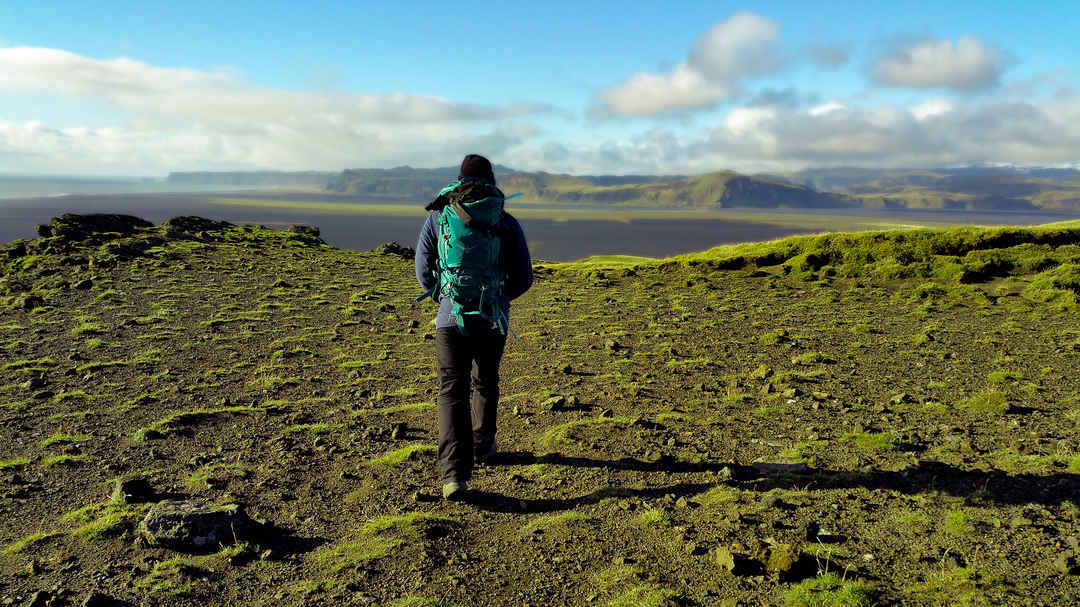
A Europe backpacking trip refers to traveling across various countries in Europe with a focus on budget-friendly accommodations, flexible travel plans, and an emphasis on adventure and exploration.
It typically involves carrying all or most of your belongings in a backpack, staying in hostels, guesthouses, or camping, and using public transport like buses and trains to get from one destination to another.
Backpacking through Europe allows travelers to experience a wide range of cultures, landscapes, and historic sites within a short period of time.
Many backpackers choose to visit popular cities like Paris, Amsterdam, and Barcelona, while others explore hidden gems in smaller towns and rural areas.
The appeal of a Europe backpacking trip lies in the freedom it offers – travelers can create their own itineraries, adjust plans on the fly, and immerse themselves in the local culture without the constraints of a traditional vacation package.
The key to a successful Europe backpacking trip is planning ahead while leaving room for spontaneity.
Budget-conscious travelers often rely on affordable transport options such as budget airlines, trains, and buses, and they seek out local, inexpensive eateries.
Why Choose Europe for Your Backpacking Adventure?
Europe is one of the most popular destinations for backpackers, and for good reason. It offers a rich blend of diverse cultures, histories, and landscapes all within a compact and accessible region.
Here are a few compelling reasons why Europe should be at the top of your backpacking bucket list:
Diverse Cultures and Languages
Europe is home to dozens of countries, each with its own distinct culture, language, and traditions.
Backpackers have the opportunity to experience everything from the art and fashion of Paris to the medieval charm of Prague. The region’s diversity means you’ll never run out of new experiences, foods, and customs to discover.
Efficient and Affordable Transportation
Europe boasts an extensive and affordable transportation network, making it easy for backpackers to travel from city to city.
Budget airlines, trains, and buses offer affordable ways to explore, while the Eurail pass provides unlimited travel across multiple countries.
Rich History and Iconic Landmarks
From the Colosseum in Rome to the Acropolis in Athens, Europe is packed with historical landmarks and UNESCO World Heritage sites.
Backpacking here gives you access to iconic destinations that tell the stories of ancient civilizations, royal dynasties, and major cultural movements.
Budget-Friendly Options
While Europe can be expensive, there are plenty of budget-friendly options for accommodation and food.
Hostels, budget hotels, and local eateries offer affordable choices for backpackers, and many cities have free or low-cost activities, such as hiking, museum visits, and exploring public parks.
Safe and Welcoming Environment
Europe is generally very safe for backpackers, with many countries having excellent infrastructure for tourists.
English is widely spoken in many places, making it easier for travelers to navigate and communicate. The region also has a well-developed network of hostels and travel services specifically tailored to backpackers.
Best Time to Go on a Europe Backpacking Trip
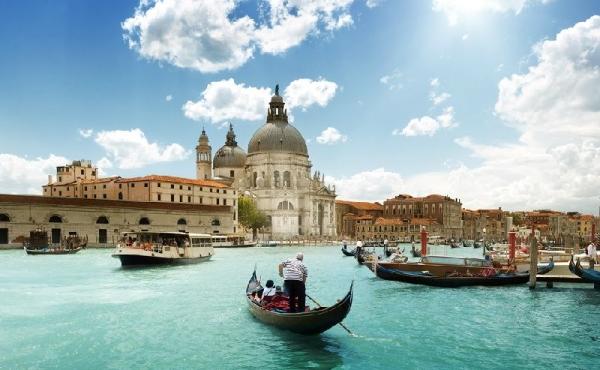
The timing of your backpacking adventure in Europe can significantly affect your experience. From weather conditions to crowd sizes and costs, the best time to visit depends on what you’re looking for.
Here’s a breakdown of the different seasons to help you decide when to go on your Europe backpacking trip:
Spring (March to May)
Spring is one of the best times for backpacking in Europe. The weather starts warming up, flowers bloom, and outdoor activities become more enjoyable.
Crowds are lighter than in the summer months, making it easier to explore popular tourist destinations without the long lines.
Prices for accommodations and flights are generally lower in spring, which is great for budget travelers. It’s also a fantastic time to visit cities like Paris, Barcelona, and Rome when they are not yet overwhelmed with tourists.
Summer (June to August)
Summer is peak tourist season in Europe, with warm weather, long days, and plenty of festivals. If you’re looking to experience the lively atmosphere of cities like Amsterdam, Berlin, or Venice, summer is the time to go.
However, it also means more tourists, higher prices for accommodations, and crowded attractions. If you don’t mind the crowds and are ready to enjoy the vibrant nightlife, outdoor festivals, and beach destinations, summer can be an exciting time to backpack across Europe.
Fall (September to November)
Fall is arguably the best time to backpack in Europe for many travelers. The weather is still mild, but the summer crowds have thinned out, allowing you to explore popular destinations more peacefully.
Prices for flights and accommodations tend to drop after the peak season. The fall foliage in countries like Austria, Switzerland, and the UK adds extra charm to your trip. Whether hiking in the Alps or wandering through historic cities, fall offers the perfect balance of pleasant weather, fewer tourists, and lower costs.
Winter (December to February)
Winter is the least popular time for backpacking in Europe, but it can be magical for those who love the winter atmosphere. Europe’s Christmas markets, winter sports, and festive activities are perfect for travelers seeking a unique experience.
If you’re a fan of skiing or snowboarding, the Alps in countries like France, Switzerland, and Austria are ideal destinations. However, be prepared for cold weather, shorter days, and fewer daylight hours.
Prices for accommodations can vary widely during this season—Christmas and New Year’s are especially busy, but you may find great deals in the months before or after.
Top Destinations for Backpacking in Europe
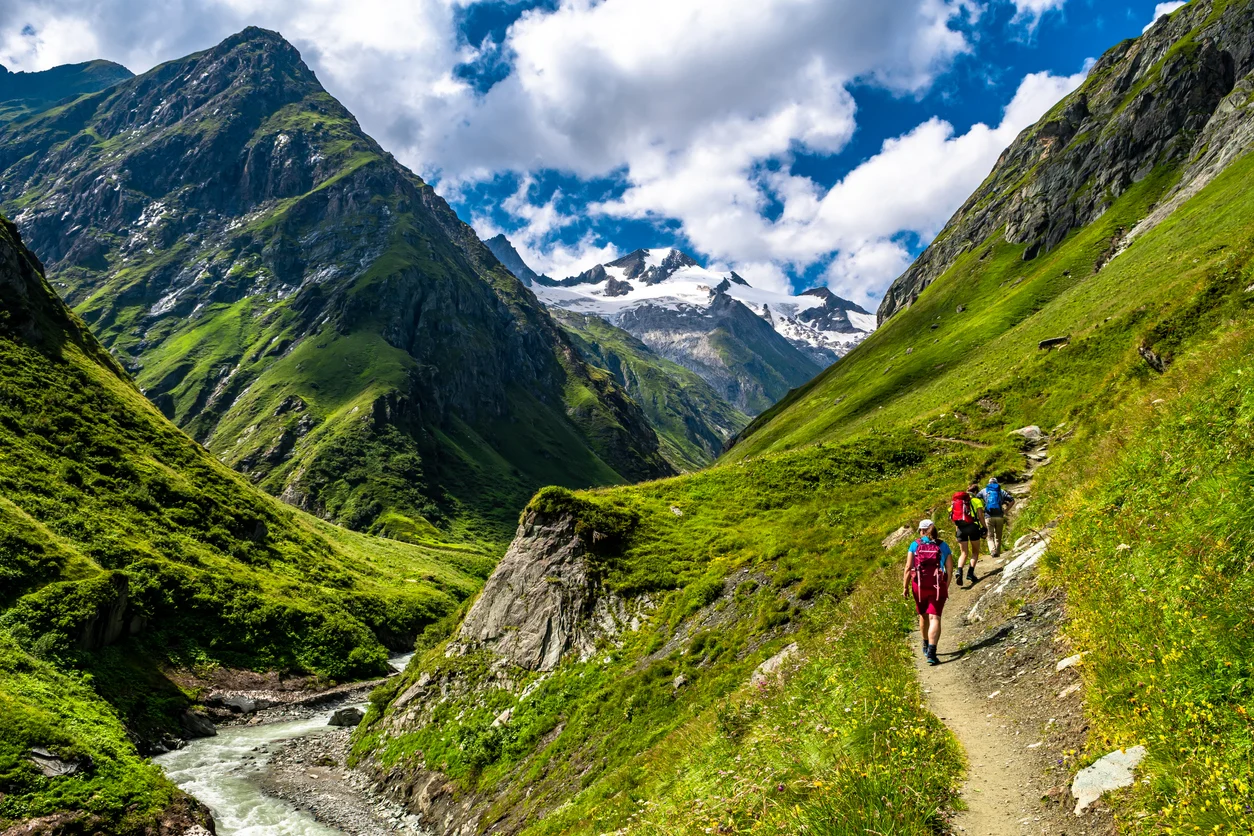
Europe offers an incredible variety of backpacking destinations, each with its own unique charm, history, and culture.
Whether you’re interested in lively cities, historic landmarks, breathtaking nature, or cultural experiences, here are some of the top destinations for your Europe backpacking trip:
Barcelona, Spain
Barcelona is a dream destination for backpackers, offering vibrant culture, beautiful beaches, and iconic architecture. Explore the works of Antoni Gaudí, like the famous Sagrada Família and Park Güell.
The city’s bustling La Rambla, historic Gothic Quarter, and Mediterranean vibe make it an unforgettable stop on your backpacking journey. Don’t forget to sample delicious tapas and enjoy the nightlife.
Prague, Czech Republic
Prague is one of Europe’s most affordable and picturesque cities. Known for its fairy-tale architecture, the Prague Castle, Charles Bridge, and the Old Town Square are all must-see landmarks.
With a lively atmosphere, budget-friendly accommodations, and a rich cultural history, it’s perfect for backpackers who want to immerse themselves in a city filled with charm and history.
Budapest, Hungary
Budapest offers a mix of history, stunning architecture, and vibrant nightlife, making it a popular spot for budget travelers.
Visit the historic Buda Castle, relax in the thermal baths, or cruise along the Danube River for a great view of the city. Budapest also has a thriving ruin pub scene, which offers a unique way to experience the city’s nightlife.
Berlin, Germany
Berlin is a top choice for travelers seeking both history and modern culture. The city’s landmarks like the Berlin Wall, Brandenburg Gate, and the Holocaust Memorial provide an insight into its turbulent past.
Berlin’s vibrant art scene, alternative neighborhoods, and lively nightlife make it a perfect stop for those looking for a dynamic backpacking experience.
Amsterdam, Netherlands
Amsterdam is known for its picturesque canals, bike-friendly streets, and rich cultural scene. Visit the Anne Frank House, the Van Gogh Museum, and enjoy the relaxed atmosphere of the city’s cafes.
Amsterdam’s compact layout makes it easy to explore, and its thriving nightlife offers plenty of entertainment for backpackers looking to unwind.
Paris, France
Paris, the City of Light, is a must-visit for many backpackers. From the Eiffel Tower to the Louvre Museum, Paris is filled with iconic landmarks and world-class art.
Stroll along the Seine River, explore the charming neighborhoods of Montmartre, and indulge in French cuisine at local bistros. While Paris can be pricier, there are plenty of budget-friendly hostels and free attractions to enjoy.
Lisbon, Portugal
Lisbon offers stunning views over the Tagus River, colorful neighborhoods, and delicious seafood. The city’s mix of historical landmarks, lively street art scene, and affordable prices make it perfect for backpackers.
Explore the historic Alfama district, ride the famous tram, and enjoy some of the best pastries in Europe.
Bucharest, Romania
Often overlooked, Bucharest is a hidden gem for budget travelers. It’s one of the cheapest cities in Europe and offers a fascinating blend of Soviet-era and French-inspired architecture.
Visit the imposing Palace of the Parliament, wander through Old Town, and enjoy the city’s growing café culture.
Vienna, Austria
Vienna offers a mix of classical music, grand palaces, and coffeehouse culture. Backpackers can visit the impressive Schönbrunn Palace, the iconic Hofburg Palace, and the Vienna State Opera.
The city is also home to numerous museums and galleries, making it a perfect destination for history and art lovers.
Interlaken, Switzerland
For nature lovers, Interlaken is the ideal destination. Nestled between two lakes and surrounded by the Swiss Alps, it offers endless opportunities for outdoor activities like hiking, paragliding, and skiing in the winter.
While Switzerland can be expensive, Interlaken has budget-friendly hostels and is a great base for exploring the stunning Swiss countryside.
Safety Tips for Backpacking in Europe
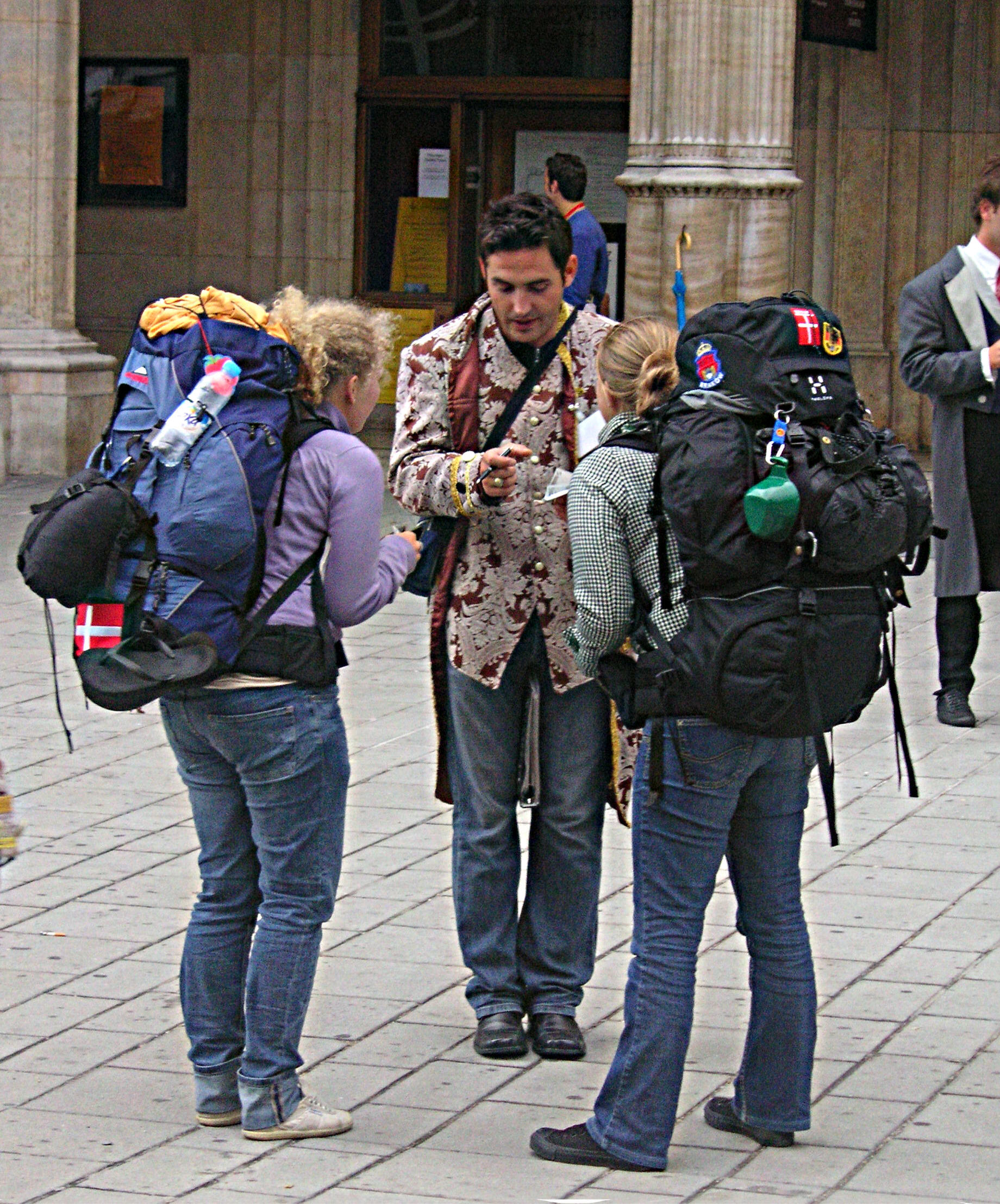
Backpacking through Europe can be an unforgettable experience, but safety is a priority. While Europe is generally a safe destination for travelers, it’s essential to be prepared and aware of your surroundings to ensure a smooth journey.
Here are some safety tips to help you stay safe during your backpacking adventure:
Keep Your Belongings Secure
Pickpocketing is a common concern, especially in crowded tourist areas or on public transport. Always keep your valuables in a secure, hidden place. Consider using a money belt, anti-theft backpack, or lockable zippers. Avoid keeping all your cash and cards in one place, and always be mindful of your surroundings.
Research Accommodation Reviews
When booking hostels or budget accommodations, always check reviews from reliable sources like Hostelworld or TripAdvisor. Choose places with good security measures, such as lockers for your belongings, and be cautious when meeting new people in shared spaces. It’s also wise to notify friends or family about your accommodation details.
Stay Alert in Tourist Hotspots
While Europe is relatively safe, tourist hotspots can attract scammers or thieves. Be cautious of overly friendly strangers who offer unsolicited help or distractions. Avoid walking alone late at night in poorly lit areas, especially in unfamiliar cities.
Emergency Contacts and Local Laws
Familiarize yourself with local emergency numbers in the countries you’re visiting. In most European countries, the emergency number is 112. It’s also helpful to learn some basic local phrases, such as “I need help” or “Where is the nearest police station?” Always follow the local laws and regulations, especially when it comes to alcohol consumption, smoking, or public behavior.
Travel Insurance is Essential
Invest in a good travel insurance policy that covers medical emergencies, theft, and cancellations. It will give you peace of mind knowing that you’re covered in case of illness, injury, or unexpected travel disruptions. Make sure to keep a copy of your insurance details and emergency contacts in both digital and physical form.
Avoid Risky Areas at Night
While most European cities are safe, it’s best to avoid certain neighborhoods after dark, especially if you’re unfamiliar with them. If you must walk through unfamiliar areas, try to do so with a group or stay in well-lit, busy parts of the city. Trust your instincts—if a place feels unsafe, leave.
Use Public Transportation Safely
Europe’s public transportation system is convenient, but it’s important to stay cautious. Keep an eye on your bags when on trains, buses, or subways, as these places can be hotspots for pickpockets. If traveling late at night, check schedules and avoid deserted stations or trains.
Keep Copies of Important Documents
In case of loss or theft, always keep photocopies of your passport, visa, travel insurance, and other important documents. You can store digital copies on your phone or cloud storage for easy access. If your passport gets stolen, having a copy will help speed up the process of reporting and getting a replacement.
Stay Hydrated and Eat Well
While not strictly a safety issue, staying healthy is crucial. Always drink plenty of water, especially in warmer climates, and eat regular meals to maintain your energy levels. This will help you stay alert and avoid becoming weak or dizzy, especially when exploring on foot.
Be Cautious with Alcohol
Europe offers a vibrant nightlife, but be cautious when drinking alcohol. Never leave your drink unattended, and try not to accept drinks from strangers. It’s also advisable to drink in moderation to avoid becoming vulnerable to theft or accidents.
How to Stay Healthy and Fit While Backpacking in Europe
Backpacking through Europe is an exciting way to explore new cultures and cities, but it’s also essential to stay healthy and fit during your travels. Between long days of walking, sightseeing, and limited access to healthy food, it can be easy to neglect your well-being.
Here are some tips to help you stay in top shape while backpacking across Europe.
Stay Active with Walking and Hiking
One of the best ways to stay fit while backpacking is by walking. Europe’s cities and countryside are perfect for walking tours, hikes, and explorations.
Not only will you get to see stunning landmarks, but walking is also an excellent form of cardiovascular exercise.
Many European destinations also offer scenic hiking trails, such as the Alps, Pyrenees, or coastal routes in Spain and Italy. Make walking your primary mode of transportation whenever possible.
Pack Light and Smart
Carrying a heavy backpack can put unnecessary strain on your body and lead to injury. Pack light, focusing on essential items like comfortable shoes, lightweight clothes, and travel-sized toiletries.
A well-balanced backpack will help prevent back pain and allow you to move easily through the cities and villages.
Eat Fresh and Local
Europe is famous for its fresh, local cuisine, and eating healthy while traveling is possible with a little planning. Opt for meals that are balanced and nutrient-rich, such as fresh salads, grilled fish, or vegetable-based dishes.
European markets often offer fresh produce, nuts, and yogurt, so take advantage of these for healthy snacks. Avoid processed foods and fast food chains, as they can be high in unhealthy fats and sugars.
Stay Hydrated
Walking around for hours in unfamiliar places can be exhausting, especially in warmer climates. Always carry a refillable water bottle with you and stay hydrated throughout the day.
Drinking plenty of water will keep your energy levels up and help prevent dehydration, which can cause fatigue and headaches.
Get Enough Sleep
Backpacking through Europe can be fast-paced, but it’s important to prioritize sleep. Aim for 7-8 hours of rest each night to recover from your adventures.
Lack of sleep can lead to exhaustion, poor decision-making, and weakened immunity. Stay in accommodations that offer a comfortable sleeping environment, whether it’s a hostel, guesthouse, or Airbnb.
Incorporate Stretching and Yoga
Long days of walking and carrying a backpack can result in muscle tightness and stiffness. Incorporate stretching or a short yoga routine into your daily schedule to keep your muscles limber.
Even just 10-15 minutes in the morning or before bed can prevent injuries and improve flexibility. Some hostels also offer free yoga classes for guests.
Find Local Gyms or Outdoor Workouts
If you’re someone who enjoys more structured workouts, check out local gyms in the cities you visit. Many European cities have affordable gym memberships or day passes.
Alternatively, you can find outdoor parks with fitness equipment or join free outdoor workout groups.
For example, cities like Berlin or Barcelona often have fitness stations in public parks, and you might even find fitness boot camps that allow you to stay in shape while meeting other travelers.
Be Mindful of Alcohol Consumption
While Europe is known for its lively drinking culture, overindulging in alcohol can dehydrate you and negatively impact your energy levels.
If you choose to enjoy a drink, do so in moderation. This way, you can savor the local wine or beer without it affecting your overall health and fitness.
Listen to Your Body
Backpacking can be physically demanding, so it’s important to listen to your body. If you’re feeling tired, take a break and rest.
Don’t push yourself too hard, especially on days when you’ve walked a lot. Take time to relax, stretch, or simply enjoy the view. When you’re feeling refreshed, you’ll be able to explore more effectively.
Keep Your Immune System Strong
Traveling exposes you to new environments and germs, so it’s crucial to boost your immunity. Get plenty of vitamin C by eating fruits and vegetables, take a daily multivitamin, and get enough rest to keep your immune system in check. If you’re traveling during colder months, dress appropriately to avoid getting sick.
Conclusion
Backpacking through Europe offers an incredible opportunity to explore diverse cultures, historic sites, and stunning landscapes.
By prioritizing your health and fitness, you can make the most of this adventure and ensure that you’re physically prepared to enjoy every moment.
From walking and hiking to eating fresh local foods and staying hydrated, there are many ways to stay energized and in top form throughout your trip.
Packing light, getting enough sleep, and incorporating some fitness routines into your day will help you stay strong and avoid injury.
Whether you’re taking scenic walks through vibrant cities or trekking through breathtaking mountain trails, maintaining your well-being will enhance your overall travel experience.
