


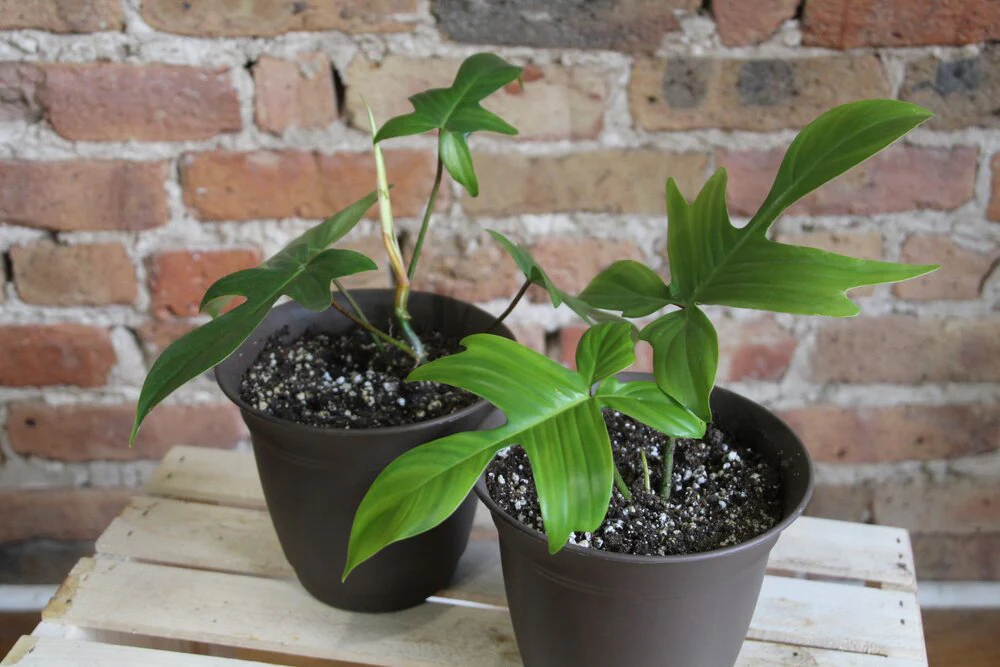
The Florida Ghost Philodendron is a striking and highly sought-after houseplant known for its unique and eye-catching appearance.
It is a hybrid plant, believed to be a cross between the Philodendron pedatum and other Philodendron species, originating from tropical regions in South America.
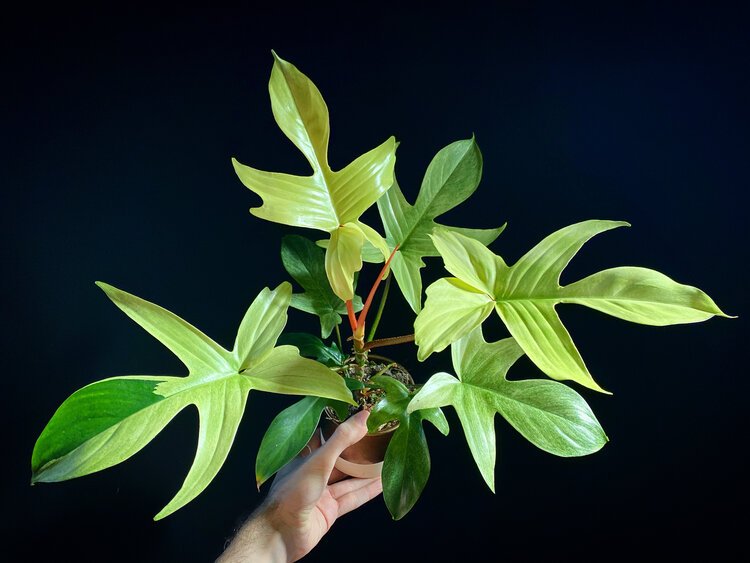
The Florida Ghost stands out due to its stunning white, silvery, or pale green leaves that start light and gradually darken as the plant matures.
These leaves often have a glossy, almost translucent look, giving it an ethereal quality that makes it popular among plant collectors.
This plant is a vining species, meaning it grows long, trailing vines that can be trained to climb or cascade from hanging baskets, making it perfect for various decorative settings. As it matures, the plant can reach impressive heights, adding a touch of lush greenery to any space.
Caring for the Florida Ghost Philodendron is relatively simple. It thrives in bright, indirect light and requires moderate watering. The plant prefers well-drained soil and benefits from occasional misting to maintain humidity levels, as it comes from tropical climates.
It’s an ideal indoor plant due to its manageable size and low maintenance, making it a popular choice for those looking to add a touch of elegance and greenery to their homes.
What Makes the Florida Ghost So Unique?
The Florida Ghost Philodendron stands out for several unique characteristics that make it a favorite among plant enthusiasts and collectors.
Here’s what sets it apart:
- Colorful Leaves: The most striking feature of the Florida Ghost is its silvery-white or pale green leaves, which are unlike many other Philodendron varieties. As the plant matures, the leaves gradually transition to a darker green, giving the plant a two-toned look. This color change adds a dynamic aesthetic to the plant.
- Translucent Appearance: The leaves have a glossy, almost translucent quality, which contributes to the plant’s ethereal appearance. The combination of the light leaves with the dark stems creates an intriguing contrast, making it a showstopper in any plant collection.
- Compact Yet Vining Growth: While the Florida Ghost can grow quite tall and long, it’s relatively compact for a vining plant. This allows it to fit in a variety of spaces, whether placed in hanging baskets or trained to climb a trellis.
- Tropical Appeal: Native to the tropics, the Florida Ghost brings a bit of tropical elegance into your home. It thrives in environments with high humidity and bright, indirect light, making it perfect for indoor spaces.
- Hybrid Origins: The Florida Ghost is a hybrid of the Philodendron pedatum, contributing to its unique growth pattern and stunning visual appeal.
Ideal Growing Conditions

The Florida Ghost Philodendron thrives when provided with specific growing conditions that mimic its native tropical environment.
Here are the ideal conditions for keeping this plant healthy and vibrant:
Light:
- Bright, Indirect Light: The Florida Ghost thrives in bright, indirect light. It can tolerate some direct sunlight, but prolonged exposure may scorch its delicate leaves. A location near a window with sheer curtains or a few feet away from a bright window is ideal.
- Avoid Low Light: While it can survive in lower light conditions, the plant’s growth will slow, and its stunning colors may become dull.
Temperature:
- Warm Temperatures: The Florida Ghost prefers temperatures between 65°F to 85°F (18°C to 29°C). Avoid exposing it to cold drafts or temperatures below 50°F (10°C), as this can damage the plant.
Humidity:
- High Humidity: As a tropical plant, the Florida Ghost enjoys high humidity levels of 60% or more. Misting the leaves occasionally or placing the plant on a humidity tray can help maintain the right moisture levels.
- Avoid Dry Air: Dry indoor air, especially in winter, can cause the leaves to brown or become crispy.
Watering:
- Moderate Watering: Water the Florida Ghost when the top 1-2 inches of soil feel dry. Ensure that the pot has good drainage, as the plant does not like to sit in water. Overwatering can lead to root rot.
- Avoid Watering Too Frequently: During the winter months, the plant requires less water as its growth slows down.
Soil:
- Well-Draining, Peaty Soil: Use a well-draining potting mix that retains some moisture but also allows excess water to flow through. A peat-based or orchid mix works well.
- pH Level: The ideal pH for Florida Ghost is slightly acidic to neutral, around 5.5 to 7.0.
Fertilization:
- Balanced Fertilizer: Feed the Florida Ghost every month during the growing season (spring and summer) with a balanced, water-soluble fertilizer diluted to half strength. Reduce fertilizing in fall and winter when the plant’s growth slows.
How to Care for a Florida Ghost Philodendron
Caring for a Florida Ghost Philodendron involves providing the right conditions, regular maintenance, and attention to its specific needs.
Here’s a comprehensive guide to keeping your plant healthy and thriving:
Light Requirements:
- Bright, Indirect Light: Ensure the Florida Ghost receives plenty of bright, indirect light. Too much direct sunlight can scorch its delicate leaves, while insufficient light can cause slow growth and dull coloring.
- Avoid Low Light: If the plant gets too little light, its vibrant foliage might fade, and its growth could become leggy.
Watering:
- Check Soil Moisture: Water the plant when the top 1-2 inches of soil feel dry to the touch. Avoid overwatering, as this can lead to root rot.
- Proper Drainage: Ensure the pot has drainage holes to allow excess water to escape. This helps prevent water from accumulating at the roots, which can cause rot.
- Water Less in Winter: During the colder months, the plant’s growth slows down, so it requires less frequent watering.
Humidity and Temperature:
- Maintain High Humidity: The Florida Ghost is a tropical plant, so it thrives in high humidity (around 60% or higher). Use a humidity tray, a room humidifier, or mist the plant to maintain moisture in the air.
- Ideal Temperature: Keep the plant in a warm environment, ideally between 65°F to 85°F (18°C to 29°C). Avoid placing it in drafty areas or exposing it to temperatures below 50°F (10°C).
Soil and Potting:
- Well-Draining Soil: Use a light, well-draining potting mix, such as a peat-based mix or one designed for tropical plants. You can also mix in perlite to improve drainage.
- Repotting: Repot the Florida Ghost every couple of years to refresh the soil and give the roots more space to grow. Choose a pot that’s 1-2 inches larger in diameter than the current one.
Fertilization:
- Monthly Feeding: During the growing season (spring and summer), fertilize once a month with a balanced liquid fertilizer. Dilute the fertilizer to half strength to avoid overfeeding, which can damage the plant.
- Fertilize Less in Winter: In the winter, reduce fertilization as the plant’s growth slows down.
Pruning and Maintenance:
- Regular Pruning: Trim any dead or yellowing leaves to keep the plant looking tidy. You can also prune leggy stems to encourage fuller growth and shape.
- Clean Leaves: Wipe the leaves with a damp cloth to remove dust. This helps the plant to photosynthesize more effectively and keeps it looking its best.
Common Problems and Solutions:
- Yellowing Leaves: This can be a sign of overwatering or too much direct sunlight. Ensure the plant is in indirect light and the soil is draining well.
- Brown Leaf Tips: This could indicate dry air or underwatering. Increase humidity or adjust watering practices.
- Leggy Growth: If the plant becomes too tall and sparse, it may not be getting enough light. Move it to a brighter spot.
Common Problems and How to Fix Them
The Florida Ghost Philodendron is a relatively easy plant to care for, but like all plants, it can encounter a few common problems.
Below are some typical issues and tips on how to fix them:
Yellowing Leaves
- Cause: Overwatering or poor drainage.
- Solution: Ensure the soil is well-draining and water only when the top 1-2 inches of soil are dry. If the plant is waterlogged, consider repotting it in fresh, well-draining soil.
Brown Leaf Tips
- Cause: Low humidity or underwatering.
- Solution: Increase the humidity by placing a humidity tray near the plant or using a room humidifier. Additionally, make sure you’re watering when the soil feels dry, but not too frequently.
Leggy Growth
- Cause: Insufficient light.
- Solution: Move the plant to a brighter spot with indirect light. If it’s in a low-light area, the plant may stretch out in search of sunlight, causing leggy growth.
Drooping or Wilting
- Cause: Underwatering or excessive heat.
- Solution: Check the soil moisture. If it’s dry, water the plant thoroughly. Ensure the plant isn’t exposed to hot drafts or direct sunlight for extended periods.
Pests (Spider Mites, Mealybugs)
- Cause: Common pests that can infect tropical plants.
- Solution: Inspect the leaves regularly for pests. If you spot any, treat the plant with insecticidal soap or a mixture of water and dish soap. You can also wipe the leaves with a damp cloth to remove pests manually.
Slow or Stunted Growth
- Cause: Lack of nutrients or a cramped pot.
- Solution: Fertilize the plant monthly during the growing season with a balanced liquid fertilizer. If the plant is root-bound, consider repotting it into a larger pot.
Leaf Curling or Crispy Leaves
- Cause: Too much direct sunlight or dry air.
- Solution: Move the plant to a location with indirect light, and ensure that the humidity levels are higher. Use a humidifier or mist the leaves to prevent the air from becoming too dry.
Discoloration of New Growth
- Cause: Stress from environmental changes or too much fertilizer.
- Solution: Avoid over-fertilizing, as this can burn the roots. If you recently moved the plant, allow it some time to adjust to its new environment before stressing it further.
Best Soil and Potting Tips
To ensure your Florida Ghost Philodendron thrives, selecting the best soil and potting conditions is essential.
Here are some important tips for optimal growth:
Best Soil for Florida Ghost Philodendron:
- Well-Draining Soil: The Florida Ghost thrives in well-draining soil that prevents water from pooling around the roots, which can cause root rot. A cactus mix or tropical plant mix works well for this type of plant.
- Aerated Mix: The soil should have good aeration to allow air to reach the roots. Adding components like perlite, coconut coir, or pine bark will increase aeration and drainage.
- pH Level: The ideal pH for the Florida Ghost is slightly acidic to neutral, around 5.5 to 7.0. Most commercial potting mixes are within this range, but it’s good to check for your plant’s health.
- Rich in Organic Matter: Adding organic material like worm castings or compost helps provide essential nutrients for the plant. Florida Ghosts are tropical plants and benefit from the nutrition organic matter can supply.
Potting Tips:
- Choose the Right Pot Size: Select a pot that’s about 1-2 inches larger in diameter than the plant’s root ball. Avoid using a pot that’s too large, as it may lead to overwatering.
- Ensure Drainage: Always choose a pot with drainage holes to ensure excess water can escape. This is vital to prevent root rot and to maintain proper moisture levels in the soil.
- Repotting: Repot your Florida Ghost every 1-2 years or when the roots start becoming root-bound. During repotting, gently loosen the roots and place the plant in a slightly larger pot to allow more room for growth.
- Layering for Drainage: If you’re concerned about drainage, you can add a layer of small rocks or gravel at the bottom of the pot before filling it with soil. This ensures excess water doesn’t stay trapped at the bottom, preventing root rot.
- Soil Moisture Monitoring: Since Florida Ghosts like a moderately moist environment, use a moisture meter or check the top few inches of soil regularly to ensure it’s not too dry or too wet.
Propagation Methods Explained

Propagating your Florida Ghost Philodendron can be a rewarding experience, allowing you to expand your collection or share the plant with others.
Here are the main methods to propagate this unique plant:
1. Stem Cutting Propagation
Stem cutting is the most popular and easiest method for propagating a Florida Ghost Philodendron. Here’s how to do it:
Steps:
- Select a Healthy Stem: Choose a stem with at least one node (the point where leaves grow from) and a couple of healthy leaves. Make sure the stem is healthy and free from diseases or pests.
- Cut the Stem: Using a sharp, sterilized pair of scissors or pruning shears, cut a few inches below the node. Ensure the cutting has at least one node, as this is where roots will develop.
- Remove Excess Leaves: Trim off the leaves closest to the cut end, leaving only 1 or 2 leaves at the top of the cutting. This helps the cutting focus its energy on root development.
- Rooting in Water: Place the cutting in a jar or vase with water, ensuring that the node is submerged but the leaves are above the water level. Change the water every few days to keep it clean.
- Wait for Roots to Grow: After a few weeks, you should start seeing roots grow from the node. Wait until the roots are a few inches long before transplanting into soil.
- Rooting in Soil: Alternatively, you can plant the cutting directly into well-draining soil. Keep the soil moist but not soaking wet and ensure the cutting is in a warm, humid location.
Tips:
- To increase the chances of successful rooting, you can use a rooting hormone on the cut end of the stem before placing it in water or soil.
- Maintain high humidity around the cutting by covering it with a plastic bag or a humidity dome.
2. Air Layering Propagation
Air layering involves encouraging roots to develop on a stem while it’s still attached to the parent plant. This method is slower but can produce more mature cuttings.
Steps:
- Choose a Healthy Stem: Select a stem that is healthy and has at least one node.
- Prepare the Stem: Lightly scratch the bark on the stem around the node using a sharp knife or razor blade. This will expose the inner tissue and encourage root formation.
- Wrap the Area with Moss: Moisten some sphagnum moss and wrap it around the scratched area. Secure it with plastic wrap to keep the moss in place.
- Wait for Roots to Grow: Over time, roots will begin to form in the moss. This can take several weeks, so be patient.
- Cut the Stem: Once a healthy root system has developed, cut the stem below the rooted section.
- Plant the New Cutting: Place the rooted cutting into fresh, well-draining soil, and continue to care for it as you would a mature plant.
3. Leaf Cutting Propagation (Less Common)
Leaf cutting propagation is less common for the Florida Ghost Philodendron, as this plant typically requires a stem node to propagate successfully. However, in rare cases, leaf cuttings may root if a node is included in the cutting.
Steps:
- Cut a Leaf with a Node: Take a healthy leaf with a node at the base and cut it off the plant.
- Place the Cutting in Water or Soil: Follow the same instructions as with stem cuttings, ensuring that the node is submerged in water or buried in soil.
- Wait for Root Development: Roots may develop more slowly with leaf cuttings, and success rates can be lower than with stem cuttings.
4. Division Propagation
If your Florida Ghost Philodendron has grown large enough, you can propagate it by dividing the plant. This method is often used when repotting a plant, especially if it has outgrown its pot.
Steps:
- Remove the Plant from Its Pot: Gently take the plant out of its pot and shake off excess soil.
- Divide the Root Ball: Carefully separate the roots into two or more sections, making sure each section has a healthy portion of roots and stems.
- Repot Each Division: Plant each division into its own pot with fresh, well-draining soil.
- Water and Care: Water the divided plants well and continue caring for them as usual.
Final Tips for Propagating Florida Ghost Philodendron:
- Keep your propagations in a warm, humid environment to promote rooting. A propagation dome or plastic bag can help maintain humidity.
- Ensure the plant has access to indirect light but not direct sunlight, which can scorch the cuttings.
- Be patient: propagation can take weeks to months, depending on the method used.
Final Thoughts
The Florida Ghost Philodendron is a stunning and unique plant that’s sure to captivate any plant enthusiast. With its striking white and silver variegation and relatively easy care requirements, it’s an excellent choice for both beginner and experienced gardeners.
Whether you’re looking to propagate your existing plant, or simply enjoy its beauty in your home, the Florida Ghost is a wonderful addition to any collection.
When propagating, patience is key, as this plant takes time to develop roots and thrive. Using methods like stem cuttings, air layering, or even plant division, you can multiply your collection and enjoy the satisfaction of watching your new plants grow.
Remember, the key to success with your Florida Ghost Philodendron lies in understanding its growing conditions—good light, proper watering, and humidity. With the right care and attention, this plant will reward you with its stunning foliage and vibrant growth.
