


Seasonal storage is part of responsible ownership for people who enjoy Lake of the Ozarks, Truman Lake, weekend road trips, and recreational travel around Warsaw, Missouri. Choosing dependable boat storage Warsaw MO, is only one part of the process. A boat, RV, truck, trailer, or classic vehicle should be cleaned, inspected, and protected before it sits unused for weeks or months.
Missouri weather can change quickly between warm fall afternoons, rain, freezing temperatures, and spring storms. Preparing early helps owners reduce the chance that moisture, pests, drained batteries, stale fuel, frozen plumbing, or unnoticed leaks will lead to frustrating repairs when it is time to get back on the water or the road.
Why Seasonal Storage Requires More Than Parking
Inactivity affects more than mileage. Batteries can lose charge, tires can lose pressure, seals can dry out, and water left in vulnerable systems can freeze. Dirt, leaves, salt residue, food crumbs, and standing water can also create conditions that damage finishes or attract pests.
Owners who are considering upgrades, replacements, or a different setup for next season can also browse boats for sell while planning what equipment, trailer capacity, and storage footprint will best fit their future needs.
Build a Storage Plan Before the Season Ends
Pick a target storage date, then work backward. Check the owner’s manual for model-specific procedures, schedule service work that should not wait until spring, and gather supplies such as approved fuel treatment, battery-maintenance equipment, tire covers, wheel chocks, cleaning products, and a breathable cover. Confirm storage access rules, insurance requirements, emergency contacts, and whether electrical connections are allowed.
Prepare a Boat for Seasonal Storage
Clean, Dry, and Inspect Every Area
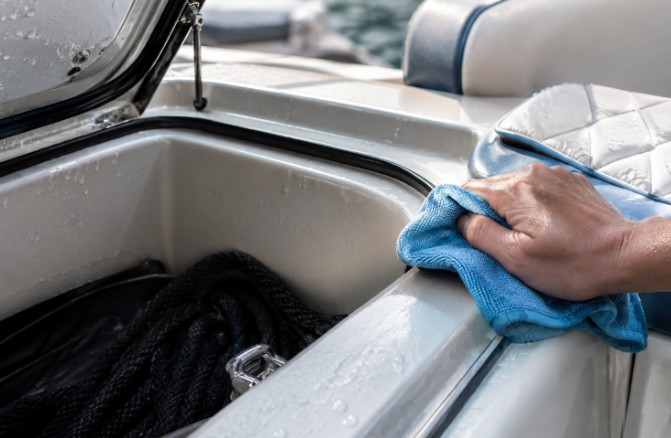
Rinse off mud, algae, road grime, and any residue from the hull, trailer, and upholstery. Remove standing water from the bilge and dry lockers, compartments, cushions, and flooring. Open lockers or cabinets slightly when appropriate to promote airflow, but secure the boat in accordance with the storage location’s rules. A dry, clean interior is less inviting to mildew and pests.
Protect the Engine, Fuel, and Plumbing
Follow the engine manufacturer’s instructions for flushing, fuel treatment, oil service, and cold-weather protection. Systems that hold water, including livewells, washdowns, sinks, heads, pumps, and cooling passages, need particular attention before freezing weather. Detailed boat winterization guidance emphasizes draining or protecting water-holding systems, maintaining batteries, and using a suitable cover for off-season storage.
Inspect belts, hoses, clamps, filters, propellers, trailer lights, wheel bearings, brakes, and tire condition. If a job requires specialized tools, marine antifreeze, or engine knowledge, arrange professional service rather than guessing. Photograph the boat and trailer after preparation to create a clear record of their condition.
Prepare an RV or Camper
RV storage preparation should focus first on the water system and exterior seals. Drain and winterize plumbing according to the manufacturer’s instructions, inspect the roof, windows, vents, slide-outs, and storage-compartment gaskets, and address cracks or leaks before covering the unit. Remove food, trash, paper goods, toiletries, and anything else that could freeze, spoil, or attract rodents.
Clean the refrigerator and leave the door in the position recommended by its manufacturer. Close propane valves, secure loose items, check tire pressure, and either disconnect or maintain batteries, depending on their type and the RV manual. Owners should also protect exposed plumbing because instructions to protect water lines from freezing apply to any system that can retain water in cold conditions.
Prepare a Car, Truck, Trailer, or Other Vehicle
Wash and dry the exterior, including wheel wells and underbody areas where dirt can collect. Remove valuables, documents, trash, and electronics that should not remain in the cabin. Inflate tires to the manufacturer’s recommended pressure, set the parking brake only when appropriate for the vehicle and storage conditions, and use wheel chocks where needed.
For longer storage periods, review the owner’s manual for fuel, oil, coolant, battery, and tire recommendations. A breathable cover can help protect a clean vehicle from dust and sunlight, while moisture-control products may help in enclosed cabins. Avoid sealing a damp vehicle beneath a cover, since trapped moisture can cause odors, mildew, and corrosion.
Choose the Right Storage Setting
- Indoor storage offers the most protection from precipitation, sunlight, falling debris, and temperature fluctuations.
- Covered storage: Reduces direct sun and weather exposure while allowing more airflow than a fully enclosed space.
- Outdoor storage: Can work well for large boats, RVs, and trailers when drainage, covers, tire protection, security, and inspection access are handled carefully.
Review Security, Access, and Insurance
Before moving in, ask how access is controlled, whether after-hours entry is permitted, and what lighting, gates, fencing, cameras, or visitor policies are in place. Confirm whether proof of insurance is required and understand what your own policy covers for theft, weather damage, vandalism, towing, or accidental damage. Keep registration, insurance details, keys, service records, and emergency contacts together in a secure location.
Create a Simple Seasonal Storage Checklist
- Wash and dry the vehicle completely.
- Inspect for leaks, rust, cracked seals, and worn components.
- Service fluids, fuel, engine, and plumbing as required.
- Maintain, disconnect, or remove batteries as directed in the manual.
- Inspect and inflate tires, then use chocks or supports when needed.
- Remove food, valuables, perishables, and loose gear.
- Install a clean, properly fitted cover if one is needed.
- Take photographs and note the next inspection date.
Plan the Spring Return
When storage season ends, remove the cover and inspect for moisture, pests, leaks, tire damage, battery condition, and loose connections. Check lights, brakes, pumps, appliances, electronics, safety equipment, and trailer components before travel or launching. Carefully complete de-winterization, then perform a short test drive or a controlled systems check before heading out for a full day on the road or on the water.
Conclusion
Seasonal storage in Warsaw works best when it is treated as routine maintenance instead of a last-minute parking decision. A clean vehicle, protected mechanical systems, careful cover selection, and a simple inspection plan can make the return to boating, camping, or driving far smoother. Plan ahead, follow manufacturer instructions, and give every vehicle the off-season attention it needs.
