


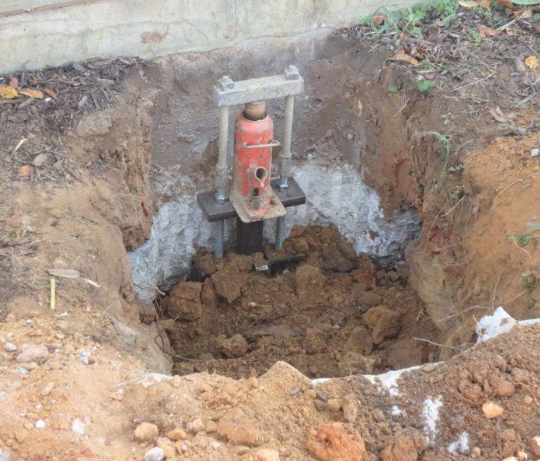
A slightly sloping floor or a door that suddenly starts sticking may seem like a small annoyance. Beneath a pier-and-beam structure, though, those changes may point to movement in the supports, beams, soil, or crawl space. Foundation work has changed in recent years as inspections become more detailed and contractors gather more information before deciding what needs attention.
Pier and beam foundation repair is also moving toward a more targeted approach. Instead of looking at one crack or uneven section of flooring in isolation, inspections may consider moisture, drainage, soil movement, wooden framing, piers, and other structural components together. That wider view gives contractors a clearer picture of what is happening beneath the structure.
Many of today’s trends focus on finding problems earlier and choosing repairs based on site conditions. Here are several developments worth watching.
Foundation Inspections Are Becoming More Detailed
Visual inspections remain an important starting point, but modern evaluations often go further. Contractors may document floor elevations, moisture levels, damaged wood, pier locations, and visible movement throughout the crawl space.
Digital leveling equipment provides measurements across different areas of the floor. Comparing those measurements may reveal where settlement is concentrated, rather than assuming the entire structure has shifted equally.
Moisture meters are also useful in crawl spaces. Damp wood, wet soil, or elevated humidity may indicate conditions that deserve further investigation. Photos and written inspection records add another layer of information that you can review later if movement continues.
For pier and beam foundation repair, better inspection data means the repair plan can focus more closely on areas with real structural concerns.
Moisture Control Is Getting More Attention
Water beneath a structure may create more than an unpleasant crawl-space environment. Persistent moisture may contribute to wood deterioration, mold growth, soil changes, and damage around joists or other structural materials.
Drainage therefore plays an important role in foundation maintenance. Gutters, downspouts, grading, plumbing leaks, and standing water around the structure all deserve attention during an evaluation.
The U.S. Department of Energy discusses moisture management for crawl spaces, including ground vapor barriers, drainage, and ways to limit moisture movement from the soil. Its Building Science Education guidance explains that moisture may enter a crawl space from the ground as liquid water or water vapor and later affect floor joists. U.S. Department of Energy Crawlspace Moisture Guidance
Managing water around and beneath the structure may reduce conditions that place added stress on foundation materials.
Repair Plans Are Becoming More Targeted
Foundation problems don’t always affect every pier, beam, or joist the same way. One section may experience settlement while another area remains stable. A damaged beam might be limited to a moisture-exposed location, while shifting soil could affect several nearby supports.
Modern repair planning increasingly reflects those differences.
Depending on the inspection findings, work may involve stabilizing existing piers, replacing damaged supports, correcting localized settlement, adding support beneath weakened areas, or repairing deteriorated beams and joists.
A targeted approach to pier and beam foundation repair focuses on what is happening beneath the structure rather than automatically treating every component as damaged. It may also identify related issues, such as poor drainage or crawl-space moisture, that need attention alongside the structural work.
Crawl Spaces Are Part of the Bigger Picture
The crawl space is more than an empty gap beneath a floor. It contains many of the structural parts that carry the weight of the building.
During an inspection, contractors may examine piers and beams while also checking soil conditions, plumbing, drainage, ventilation, wood deterioration, pest damage, and moisture levels.
Those details matter because structural repairs take place within that environment. Installing a new support may correct one problem, but standing water beneath the structure could continue exposing wooden components to moisture.
Ground vapor barriers are another area receiving greater attention. According to the Department of Energy guidance, properly installed ground coverings may limit moisture and water vapor entering from crawl-space soil.
Looking at the entire crawl-space environment gives contractors more context before structural work begins.
Better Documentation Creates a Foundation History
Another growing trend is detailed documentation before, during, and after repairs.
Photos may show damaged beams, shifted supports, wet areas, or cracks before work begins. Floor elevation measurements create a record of differences throughout the structure. Contractors may also document the location of newly installed supports or replaced components.
These records become useful if changes appear later.
For example, a future inspection could compare newer floor measurements with earlier readings. Photos may reveal if a crack has grown or stayed relatively unchanged. Moisture readings may also show if drainage improvements made a noticeable difference beneath the structure.
Good documentation turns a single inspection into a reference point, not a snapshot that disappears once the work is finished.
Early Warning Signs Still Deserve Attention
Technology may be changing, but the basic warning signs of foundation movement remain familiar.
Uneven floors are one common concern. Other signs may include bouncy flooring, sticking doors, expanding interior cracks, gaps around trim, or visible movement around supports beneath the structure.
Moist or musty crawl spaces also deserve attention. Water collecting beneath the floor may point to drainage, plumbing, or groundwater conditions that should be investigated.
One small crack does not automatically signal major structural damage. Buildings naturally move over time. Several symptoms appearing together, however, provide a stronger reason to schedule an inspection.
Tracking when changes appear is useful. Take photos, record the location, and note if the problem becomes more noticeable over several months.
New Tools Still Depend on Good Inspection
Technology provides more information, but tools alone do not determine what type of repair is appropriate.
Consider measurements, moisture readings, cameras, and photographs alongside the physical conditions beneath the building. Soil, drainage, structural materials, previous repairs, and movement patterns all add context.
That combination of technology and hands-on evaluation is shaping the direction of pier and beam foundation repair. Instead of relying on a single symptom, contractors have more ways to study what is happening across the structure.
For property occupants, that means asking questions during an inspection is worthwhile. Find out what was measured, where movement was found, what may have caused it, and which components require attention.
Staying Aware Makes Problems Easier to Track
Foundation care is becoming less about reacting to one dramatic warning sign and more about watching patterns over time.
Detailed inspections, moisture management, targeted structural work, crawl-space evaluation, and better documentation are changing how pier-and-beam structures are assessed. Each trend focuses on better understanding the conditions beneath the floor before deciding what to do next.
Watch for changes around your structure. Watch for uneven floors, sticking doors, growing cracks, drainage patterns, and crawl-space moisture. Early awareness gives you more information when scheduling a professional evaluation.
If you see signs of foundation movement, uneven flooring, damaged supports, or crawl-space concerns, contact Expert Foundation Repair Terre Haute to schedule an inspection and discuss next steps for your property.
