


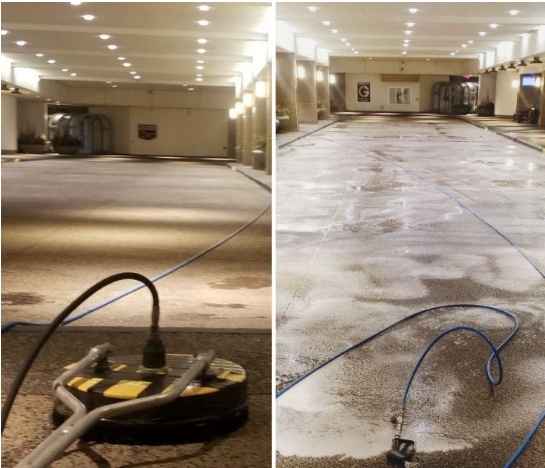
Outdoor spaces deal with more wear than many people realize. Driveways collect vehicle residue, patios develop stains, walkways gather dirt, and shaded surfaces may become covered with algae or mildew. Add rain, humidity, pollen, leaves, and daily foot traffic, and exterior surfaces may start looking worn faster than expected. Outdoor maintenance is changing as more people focus on cleaning methods, surface condition, water use, and routine care rather than waiting for years of buildup.
Modern pressure washing services give people more options for cleaning exterior surfaces without treating every material the same way. Newer equipment offers greater control over water flow and pressure, while different nozzles and cleaning techniques allow the process to match the surface. The result is a more thoughtful approach to exterior cleaning, where preparation and technique matter as much as the equipment itself.
Outdoor Maintenance Is Becoming More Proactive
Exterior cleaning used to be treated as something to do once surfaces became obviously dirty. That approach is changing. Regular maintenance lets you address dirt, organic growth, stains, and other buildup before they dominate an outdoor space’s appearance.
Climate plays a major role. Warm temperatures and high humidity may encourage algae and mildew growth, especially on shaded concrete, siding, fences, and patios. Areas near trees may collect pollen, leaves, sap, and organic debris. Driveways and parking areas face other problems, including tire marks and vehicle fluids.
A regular cleaning schedule does not mean every surface needs constant attention. Conditions vary from one property to another. Shade, drainage, traffic, nearby landscaping, surface material, and weather exposure all affect how quickly an area gets dirty.
Modern outdoor care focuses on monitoring those conditions and responding when buildup becomes noticeable.
Different Surfaces Need Different Cleaning Methods
One of the biggest changes in exterior cleaning is the move away from using maximum pressure everywhere.
Concrete may tolerate a cleaning method that would be too aggressive for painted siding or weathered wood. Brick, pavers, vinyl, fencing, stone, and coated surfaces each have different characteristics. Age matters too. A newer concrete driveway and an older surface with cracks should not automatically receive identical treatment.
Before cleaning begins, check surfaces for peeling paint, loose materials, cracks, damaged sealants, unstable pavers, or other existing concerns. Once you understand the condition, you can adjust water pressure, nozzle selection, cleaning distance, and technique.
In some cases, a lower-pressure method paired with an appropriate cleaning solution may be a better choice than high pressure. The strongest setting isn’t always the best setting. Good exterior maintenance starts with understanding what you’re cleaning.
Better Equipment Is Changing the Process
Technology has pushed outdoor cleaning forward.
Modern pressure washing services may use adjustable equipment, specialized nozzles, surface cleaners, controlled water flow, and cleaning solutions selected for particular types of buildup. These tools create more options than the old approach of pointing a high-powered spray at a dirty surface.
Surface cleaners are especially useful on larger flat areas. Instead of cleaning concrete one narrow strip at a time, these attachments distribute water through rotating spray arms. The process creates more consistent coverage across driveways, sidewalks, and patios.
Nozzle selection also matters. Different spray patterns change water concentration and coverage. Wider spray angles spread the force across a larger area, while narrower patterns concentrate it.
Equipment has become more capable, but operator knowledge remains important. Technology works best when it is paired with an understanding of the surface, stain, and surrounding area.
Runoff Is Part of Responsible Cleaning
Cleaning an outdoor surface means thinking about where the water goes afterward.
Water moving across driveways, sidewalks, parking areas, and other hard surfaces may carry sediment, chemicals, oils, dirt, and other materials. The U.S. Environmental Protection Agency notes that stormwater flowing across paved surfaces may collect pollutants before entering storm drains, streams, lakes, or groundwater.
Readers interested in learning more about runoff and pollution prevention can review the U.S. Environmental Protection Agency’s stormwater runoff guidance.
Before exterior cleaning starts, pay attention to nearby storm drains, landscaping, vehicles, outdoor furniture, and drainage routes. Also select and use cleaning products according to their instructions.
A cleaner driveway should not create a new problem farther down the drainage path.
Routine Cleaning Beats Waiting for Heavy Buildup
Routine cleaning differs greatly from waiting until an exterior surface has years of grime.
Heavy buildup may require more time and a different cleaning approach. Old stains may also remain visible even after you remove the surrounding dirt. Regular maintenance keeps conditions easier to monitor and gives people a chance to spot changes in surfaces before they become buried under grime.
High-use areas usually deserve closer attention. Walkways, entrances, patios, pool decks, driveways, and other heavily traveled spaces tend to collect debris faster than less active parts of a property.
Pressure washing services may become part of a broader outdoor maintenance plan based on the condition of these areas rather than a rigid cleaning calendar. Some spaces may need attention sooner because of shade or heavy use, while others may stay relatively clean for much longer.
The surface itself should guide the schedule.
Preparation Makes Exterior Cleaning More Effective
A little preparation goes a long way before you start exterior cleaning.
Clear furniture, decorations, toys, hoses, planters, and movable equipment from the work area when practical. You may need to move vehicles away from nearby spray or runoff. Close windows and doors, and pay extra attention to outdoor electrical fixtures.
Plants surrounding the cleaning area also matter. Sensitive landscaping may need protection depending on the cleaning process and products involved.
Note any existing surface damage beforehand. Cracked concrete, loose mortar, deteriorated wood, peeling coatings, or damaged siding may react differently during cleaning. Identifying these issues early makes it easier to choose an appropriate method.
Preparation is less exciting than watching grime disappear, but it is one of the most important parts of the job.
Outdoor Cleaning Is Becoming More Thoughtful
The new era of outdoor maintenance is not about using more pressure. It is about making better decisions.
Surface type, age, stain severity, weather exposure, drainage, landscaping, and existing damage all affect how you approach exterior cleaning. Better equipment gives operators more control, while greater awareness of runoff encourages a more responsible process.
Pressure washing services fit into this shift by offering a practical way to maintain many exterior surfaces when the technique matches the material being cleaned. Routine care also makes it easier to monitor driveways, patios, walkways, siding, and other outdoor areas throughout the year.
Outdoor maintenance will continue evolving as equipment and cleaning methods improve. For property owners, the key takeaway is straightforward: watch your surfaces, address buildup before it becomes severe, and choose cleaning methods based on what the material needs.
Give Your Outdoor Spaces a Fresh Start
If your driveway, patio, walkways, siding, or other exterior areas need a refresh, Expert Pressure Washing Parrish provides professional exterior cleaning for properties in the Parrish area. Contact the company to discuss the surfaces that need attention and find the right approach for your next outdoor cleaning project.
