


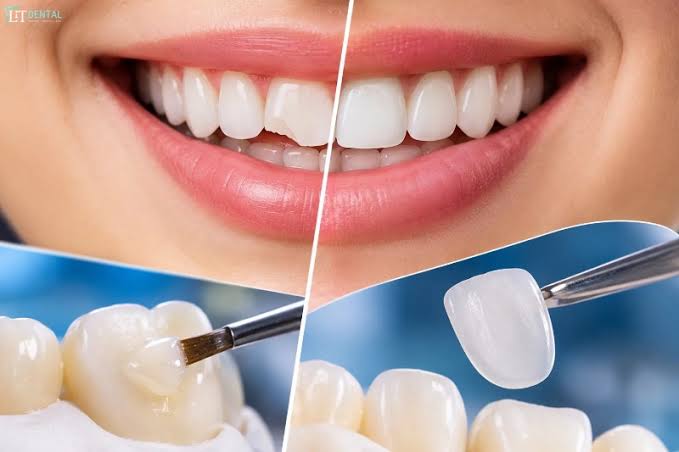
You notice a rough edge with your tongue, or maybe the bonded tooth that once blended in now looks chipped, stained, or just off. That kind of change is easy to dismiss for a few days, until you catch it in the mirror or feel it every time you bite down. Then the questions start, and a family dentist in Green Valley can help you figure out whether this can be fixed quickly, or if you’re looking at a full replacement.
Dental bonding does not last forever, and that does not mean anything went wrong. Composite resin wears down, picks up stains, and can crack under pressure. In many cases, a dentist can repair a small problem without removing all of the material. In others, replacement makes more sense because the bond is weak, the damage is larger, or the tooth underneath has changed. Knowing the difference can save you time, money, and frustration.
The condition of the bonded area often decides repair versus replacement
The first factor is the size and type of damage. A small chip at the edge of a bonded front tooth may be a simple repair. The dentist can roughen the surface, add fresh composite, shape it, and polish it. If the bonding has fractured through a larger section, or if pieces keep breaking off, patching it may not hold for long.
This is where people get stuck. From your point of view, a chip is a chip. In the chair, the issue is whether enough strong material remains to support a repair. If the old bonding is thin, brittle, or separating from the tooth, adding more on top can turn into a short-term fix that fails again.
According to the American Dental Association’s overview of composite fillings, tooth colored composite materials can blend well and support conservative treatment, but they can also wear or chip over time. That same reality applies to cosmetic and restorative bonding.
The bond between the resin and your tooth matters as much as the visible damage
The second factor is how well the bonding is still attached. A restoration can look mostly intact but be lifting at the margin, which is the edge where the resin meets the tooth. Once that seal weakens, bacteria and stain can work their way in. A polished touch-up will not solve that.
If you have noticed dark lines, rough edges, or food catching around the bonded area, the problem may be deeper than surface wear. In that case, replacement is often the safer choice because the dentist needs to remove compromised material, check the tooth beneath it, and rebuild a clean, secure bond.
This is one reason dental bonding repair or replacement is not just a cosmetic call. The appearance matters, but the seal matters more.
Decay, cracks, and changes in the natural tooth can rule out a simple repair
The third factor is what is happening underneath the bonding. If the tooth has new decay, a crack, or wear from grinding, the restoration may need to come off so the tooth can be treated first. Repairing the outer layer without addressing the tooth itself usually delays the real fix.
You may have had bonding done years ago, then developed a bite change, started clenching at night, or had recession near the gumline. Those changes can turn a once stable restoration into one that no longer fits the tooth well. Composite build-ups described by the University of Bristol Dental Hospital show how technique, tooth support, and function all affect how composite restorations perform over time.
This is where a bonded tooth repair may sound appealing but not be the right call. If the base has changed, the covering often needs to be rebuilt too.
Color match and age of the material can make replacement the better cosmetic result
The fourth factor is appearance. Composite resin can stain from coffee, tea, red wine, tobacco, and normal aging. Natural teeth change color too, just not always at the same rate. A repair may fix the broken spot but leave you with a patchwork look because old and new composite do not match perfectly.
That matters more on front teeth, where light hits every contour. If the bonding is old, yellowed, or dull, replacing the full section can create a smoother and more even result. People often come in hoping for a tiny fix, then realize what has been bothering them is not only the chip. It is the mismatch they have been noticing for months.
Your bite habits and daily stress on the tooth affect how long a repair will last
The fifth factor is function. If the bonded tooth takes heavy force from biting, nail biting, chewing ice, or nighttime grinding, a small repair may fail faster than a full replacement designed with better thickness and contour. Front teeth are especially vulnerable because they are used constantly for tearing food and often take side pressure during clenching.
The science behind this is straightforward. Composite materials have strengths and limits, and performance depends on where the material is placed and how much force it carries. The National Institute of Dental and Craniofacial Research summary on dental materials explains that material choice and mechanical stress directly affect durability.
If your dentist recommends a night guard after replacing bonding, that is not an upsell. It is often the difference between a restoration that lasts and one that keeps chipping.
Repair and replacement each make sense in different situations
| Factor | Repair is more likely | Replacement is more likely |
|---|---|---|
| Size of damage | Small edge chip or minor wear | Large fracture or repeated breakage |
| Bond strength | Bonding is firmly attached | Lifting, leakage, or poor seal at edges |
| Tooth health underneath | No decay or cracks present | Decay, crack, or structural loss under bonding |
| Cosmetic match | Old and new composite can blend well | Visible staining, aging, or mismatched shade |
| Bite pressure | Low stress area with stable bite | Heavy clenching, grinding, or direct bite force |
Clear next steps help you avoid a temporary fix that turns into a bigger problem
Check the timing. If the bonding changed suddenly, book an exam soon. A fresh chip is often easier to repair before the edge collects stain or the tooth takes more damage. Waiting tends to shrink your options.
Pay attention to symptoms, not just appearance. Sensitivity, roughness, food trapping, or a change in your bite can point to a failing margin or damage under the surface. Those signs matter as much as what you see in the mirror.
Ask for both outcomes. When you see a general and family dentist, ask what a repair would accomplish, how long it is expected to last, and what would make replacement the better value. If you grind your teeth, ask how that affects the plan. A good recommendation should match both the tooth and your habits.
If your bonding looks worn, chipped, or stained, you are not overreacting by having it checked. Small problems are often easier to manage, and a clear exam can tell you whether a conservative repair is enough or whether replacing the bonding will give you a stronger, cleaner result. For any concern about dental bonding replacement, schedule a visit with a dentist who can evaluate the tooth, the existing material, and the pressure your bite puts on it.
