


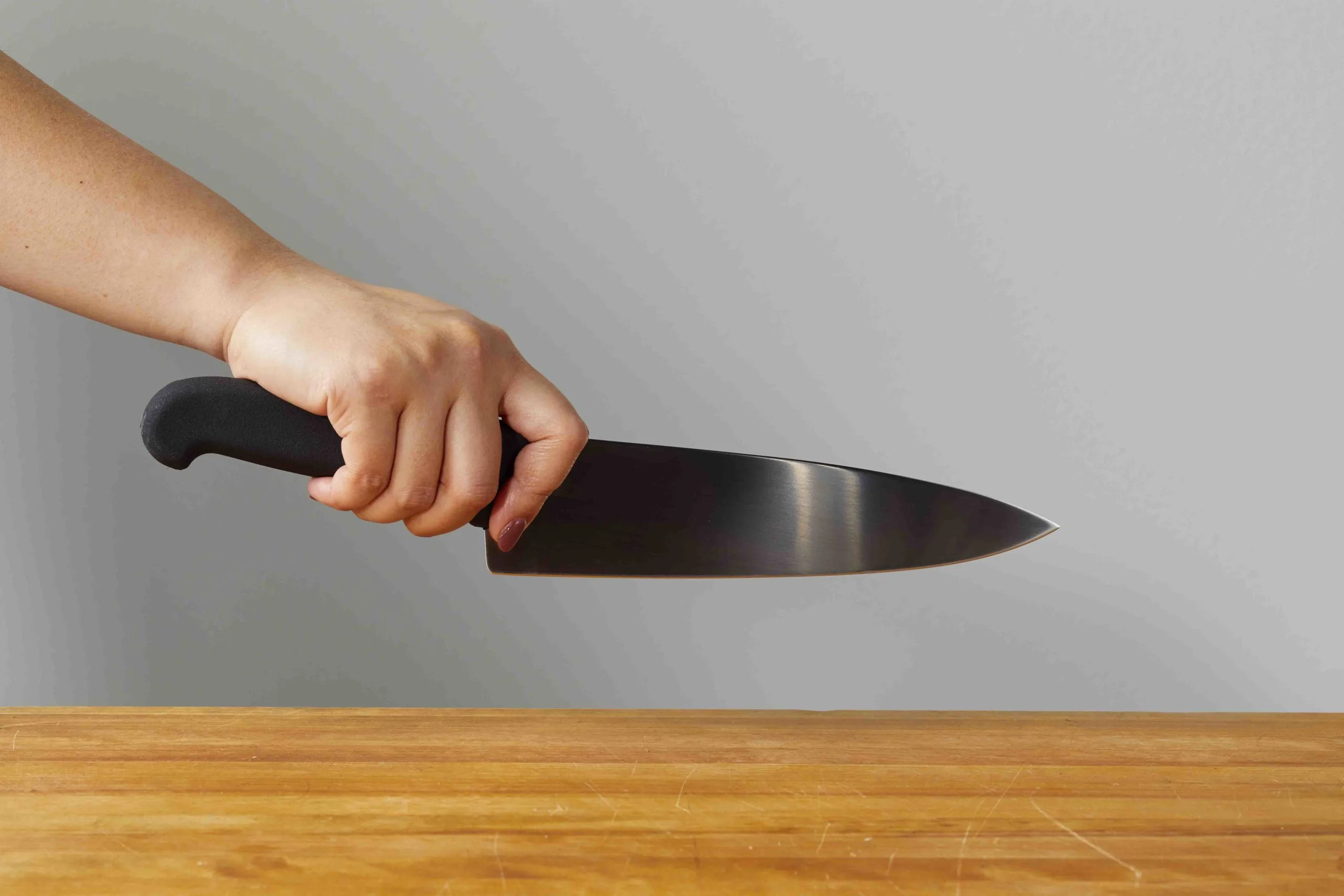
There’s a funny moment in trade work where you realise a knife isn’t just something you use.
It’s something you rely on. But confidence with a knife doesn’t appear on its own; it comes from understanding how to use it so the tool actually makes your job easier instead of giving you surprise paperwork.
Most people start by guessing their way through cuts and hoping for the best. Then they learn a few proper techniques, and suddenly everything feels smoother. Materials behave, edges come out cleaner, and you stop treating every cut like a gamble.
These five knife techniques help turn beginners into steady, capable pros.
1. The Controlled Score Cut
The Controlled Score Cut is one of those techniques that feels almost too gentle to matter, right up until you see how cleanly it works.
Instead of cutting all the way through, you’re really just drawing a gentle roadmap – a clean, intentional line that shows the material exactly where you want it to go. The whole point is to keep the pressure light and even, letting the blade glide across the surface.
It’s a go-to move for drywall, plastics, rubber, cardboard, and anything that behaves better when treated with a bit of patience.
2. The Shave-Down Technique
The Shave-Down Technique is the calm, tidy cousin of every other knife move you’ll learn. It is the one that steps in when something just needs a little refining rather than a full-on cut, like for trimming flash in rubber injection molding.
Instead of digging in or taking off too much at once, you angle the blade lightly and make small, deliberate strokes along the surface. It’s more like persuading the material than cutting it, easing off thin curls until the fit or shape is exactly where you want it.
This technique shines with wood, plastic, insulation, and any job where “just a touch thinner” makes all the difference.
3. The Rotate Method
The Rotate Method is one of those wire-skinning tricks that feels almost too simple once you’ve mastered it, but it makes all the difference in keeping the copper inside safe and intact.
Instead of trying to slice straight through the insulation – which is why you need a wire-skinning knife – you rest the cable gently in your hand, place the blade at a slight angle, and rotate the wire underneath it. The knife stays mostly still; the wire does the moving.
That slow twist lets the blade score the sheath evenly all the way around without digging in too deep. You’re not cutting through the insulation; you’re encouraging it to give up its grip.
4. Longitudinal Cuts
Longitudinal cuts are where you really start to feel the rhythm of working with a knife.
They look simple enough – just a clean, straight slice down the length of whatever you’re working on – but the real charm of longitudinal cuts shows up once you settle into the rhythm of cable cutting.
The trick is staying patient. Long cuts tempt you to rush, especially when you just want the job done, but calm, even pulls keep everything neat and predictable.
5. The Pull-Cut
The Confident Pull-Cut is the moment you stop feeling like someone who borrowed a knife and start feeling like someone who actually belongs with one in their hand. It’s a small technique, but it has this wonderfully reassuring, “okay, I’ve got this” energy to it.
All you’re doing is tilting the blade ever so slightly, taking a breath, and pulling in one smooth, steady line. That’s it. No frantic hacking, no desperate sawing, and definitely no wrestling match with a box that did nothing to deserve your frustration.
The moment you get it right, the materials suddenly stop acting difficult. Tape behaves. Straps stop pretending they’re indestructible. Cardboard opens up like it’s finally ready to cooperate.
Final Words
These five knife techniques give beginners the control and confidence they need on the job. Follow them for a safer and happier work environment.
