


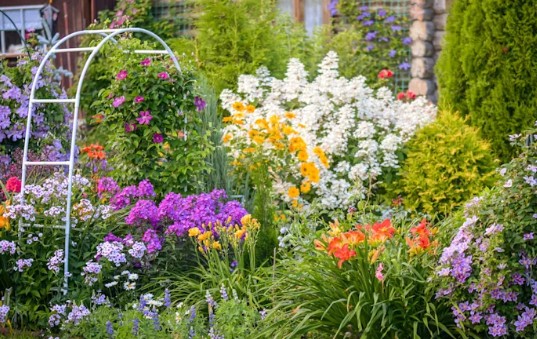
The typical British garden is a place to relax, cultivate beautiful plants, and enjoy a bit of sunshine and fresh air.
However, even beneath a well-manicured lawn or a vibrant flower bed, several sneaky dangers can easily escape your notice and cause harm if you’re not careful and vigilant.
We’ve gathered a list of 6 hidden garden risks so you can avoid them and manage your property effectively. That way, you can protect your household and ensure your outdoor area remains a genuinely safe haven from the everyday business of life.
-
Invasive Plants That Damage Brickwork And Foundations
There are certain greens that can shift their role from aggressive growers to genuine property threats if left unchecked.
One such notorious example in the UK is the Japanese knotweed. It’s known for its ability to exploit tiny cracks in concrete, tarmac, and brickwork, potentially damaging patios, pathways, and even property foundations.
Because its root system can spread rapidly underground, it can compromise structural integrity over time before any major growth is visible above the surface.
Other common garden plants, such as certain varieties of bamboo or vigorous climbing ivy, can also cause you unexpected headaches. Ivy can find its way into mortar joints and lift roof tiles, while spreading bamboo roots can puncture pond liners and disrupt paving.
Monitoring the growth habits of everything planted near walls or boundaries is crucial to preventing expensive structural repairs down the line.
-
Toxic Flowers And Plants That Threaten Curious Pets
A beautifully curated flower bed can sometimes conceal serious dangers for your furry babies.
In fact, many traditional British garden plants contain natural toxins that serve as defence mechanisms against herbivores, but these same chemicals can be highly dangerous to curious pets and young children alike.
We’re talking about plants like foxgloves, yew, lily of the valley, and even common hydrangeas. All of these contain compounds that can cause severe illness if accidentally ingested.
The risk is not limited to exotic species either–even common bulbs like daffodils and autumn crocuses can cause problems if chewed by a dog. It is quite easy to overlook these dangers when focusing purely on visual appeal and colour schemes, but you mustn’t overlook them.
So, it’s generally best to take the time to research the toxicity of existing flora so you ensure that your landscaping choices do not inadvertently introduce biological risks to your loved ones.
-
Bacteria And Parasites Lurking In The Dirt
Working with soil and being out in the open, especially on sunny days, is one of the most rewarding aspects of gardening. With that being said, it is important to remember that the outdoors is a living ecosystem containing billions of microscopic organisms.
Most of these are beneficial, but certain harmful pathogens can linger in stagnant dirt or compost heaps. The bacteria responsible for tetanus, for instance, can enter the bloodstream through the tiniest scratch from a rose thorn or a rusty tool.
Additionally, urban and suburban gardens are frequently visited by neighbourhood cats and foxes, which can leave behind parasites like Toxoplasma gondii in vegetable patches or loose soil.
So, if you live in an area where wild animals have easy access to your property, you should watch out for these things.
Another seasonal concern is Legionnaires’ disease, which can occasionally breed in warm, damp bags of commercial potting mix. So, handling garden materials with proper care and hygiene is simply essential to avoiding and preventing these invisible health risks.
-
Rotting Tree Branches And Weak Underground Roots
Mature trees add character and value to a property, and especially provide shade during summer, but they do require regular structural assessment. This can be performed either via a licensed arborist or if you hire a local Watford gardening team.
That’s because a tree that looks perfectly healthy from a distance can actually suffer from internal decay, fungal infections, or root rot. All these things are dangerous as they weaken its stability and make it a risk not just for your property, but for human life as well.
That’s especially true during heavy autumn gales or sudden summer storms, as these hidden structural flaws can manifest and cause massive branches—or even the entire tree—to come crashing down.
Root systems can also create hidden problems underground. As trees grow, their roots spread wide in search of moisture, occasionally encroaching upon old drainage pipes, causing blockages, or shifting low garden walls.
Regularly checking the base of large trees for fungal brackets, dead wood, or leaning trunk lines will help you spot any stability issues long before they become a danger to your home.
-
Backyard Ponds And Faulty Electrical Wiring
Water features like ponds, streams, and decorative fountains bring tranquillity and wildlife to a garden, but they also introduce distinct physical risks.
The most obvious concern is open water, which can pose an immediate hazard to toddlers or visiting wildlife if steep banks or slippery liners make it difficult to climb out. Even shallow water can present an unexpected risk if left completely unprotected.
Beyond the water itself, the surrounding environment can become hazardous over time. Submerged pumps, ageing electrical wiring for garden lighting, and algae-slicked stepping stones can create slip and trip hazards.
Keeping water features well-maintained, clearly defined, and securely fenced off where necessary ensures they remain a beautiful feature rather than a liability.
-
Slippery Wooden Decking And Unstable Garden Walls
Hard landscaping features like raised beds, timber decking, and brick retaining walls hold back tons of soil and water, but they are constantly exposed to the elements.
Over time, timber decking can develop dry rot or become coated in microscopic algae, transforming a flat surface into a treacherous ice rink during wet winter weather.
Retaining walls face immense hydrostatic pressure from wet earth behind them. If weep holes become blocked or mortar begins to crumble, the structure can bulge and eventually collapse under the weight.
Because these changes happen incrementally over months and years, homeowners often fail to notice the warning signs until structural failure occurs, potentially causing land slippage or damaging adjacent structures.
Why Regular Check-ups & Maintenance Are So Important
With so many variables changing throughout the seasons, basic lawn mowing and occasional weeding are rarely enough to keep outdoor hazards at bay.
Overgrown shrubbery can mask structural decay, for example. Or unpruned canopies can become dangerously top-heavy, and neglected soil can accumulate unwanted pests and pathogens you should be on the lookout for.
It’s important to begin looking at garden maintenance as an activity that involves looking closely at the health and structural integrity of the entire space, and taking proactive measures to ensure everything’s safe.
By systematically clearing away dead wood, managing aggressive root systems, and restoring hard landscaping surfaces, you will ensure that everything’s fine and neglect doesn’t cause any sudden property damage.
When To Call Professional Gardeners
While handling day-to-day tidying can be an enjoyable weekend hobby, certain tasks demand specialist knowledge and commercial-grade equipment.
A sensible time to look into expert care is when you are dealing with large, mature trees that require dangerous high-climbing work, or when you discover aggressive, invasive weeds like Japanese knotweed that demand strict chemical treatment and legal disposal.
You should also consider calling in professional gardeners if you inherit a severely overgrown plot that requires heavy-duty clearance, or if you notice retaining walls bowing and decking frameworks rotting beneath the surface.
Experienced specialists can also identify the subtle signs of plant disease and safely handle large-scale structural pruning. They’ll then carry out the extensive excavations without damaging hidden utility pipes, saving you time and preventing hazardous DIY mistakes.
Conclusion
As you can see, maintaining a great outdoor space begins with one thing: awareness. That way, the hidden risks and dangers won’t have a chance to blindsight you, and you’ll avoid the above-mentioned issues, or at least, greatly mitigate their negative effects on your property.
Remember, taking a proactive approach to garden safety—and knowing when to bring in specialist assistance—is the exact thing that will ensure your home’s exterior remains safe and enjoyable for your family, pets, and visitors all year round.
Good luck and stay safe!
