


Building a new garage is a fantastic way to add value to your home, increase storage space, and protect your vehicles. However, choosing the right design for your new garage can be a challenging task. With so many options available, it’s essential to consider your needs, budget, and available space before making a final decision. Whether you’re planning a simple one-car garage or a spacious multi-vehicle structure with additional storage or living space, this article will guide you through the essential considerations to help you choose the perfect design for your new garage.
1. Determine Your Garage’s Purpose
Before diving into the design options, it’s important to think about how you’ll use the garage. While most homeowners build a garage to house their vehicles, garages can serve various functions. Here are a few questions to ask yourself:
- How many vehicles do you need to accommodate?If you have multiple cars, you’ll need a larger design, possibly a two-car or even a three-car garage. Consider whether you need extra space for motorcycles, boats, or other recreational vehicles.
- Do you need additional storage space?A garage with built-in storage solutions such as shelving or cabinets can be a great addition if you’re looking to store tools, sports equipment, or other household items.
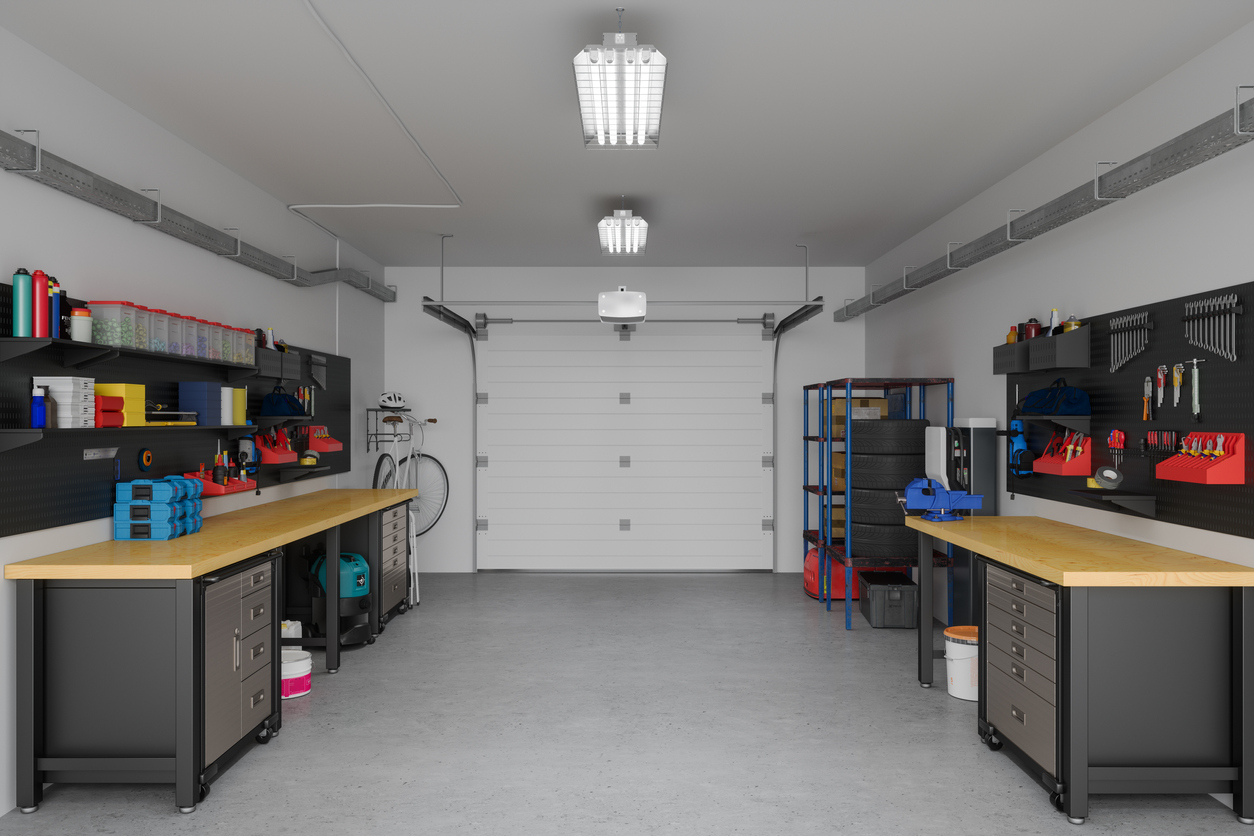
- Do you want a workspace?Many homeowners use their garage for hobbies like woodworking or DIY projects. In this case, you may want to design a garage with enough space for a workbench, proper lighting, and storage for tools.
- Do you need a livable space?If you’re interested in adding an apartment or office above your garage, you’ll need a design that accommodates these features, such as higher ceilings and proper insulation.
Knowing your garage’s purpose will help you narrow down the design features that are most important to you.
2. Consider Your Available Space
The size and shape of your lot will significantly influence the design of your new garage. The first step is to measure the available space and determine if you have room for the size of the garage you want. Keep in mind that adding a garage will require a foundation and a solid structure, so it’s essential to leave enough space for those elements while maintaining a functional driveway and maneuvering area.
If you’re limited by space, consider a detached garage that can be placed in a different part of your yard. This type of garage offers flexibility and can be designed to complement your home’s aesthetic.
For homeowners with more room to work with, an attached garage might be a better choice. Attached garages are more convenient for daily use, especially in bad weather, and they may be a more cost-effective option since they share one wall with the house.
3. Plan for Future Needs
When choosing a design, consider not only your current needs but also your future plans. As your family grows or your vehicle collection expands, you may need more space. Designing a larger garage now can save you from needing to build another one later.
If you’re considering expanding in the future, you can opt for a design with expandable features, like a high roof or extra space that can be turned into storage or living areas as needed.
4. Match Your Home’s Style
A garage should complement your home’s design and overall aesthetic. Whether you have a modern, traditional, or rustic-style home, your new garage should blend seamlessly with its surroundings. Choose materials, colors, and architectural details that match your home’s exterior.
For example, if your home features brick or stone, a garage with similar materials will create a cohesive look. Similarly, if your home has a more modern style, a sleek, minimalist garage with large windows and a flat roof might be the ideal choice.
Additionally, consider the layout of your garage’s doors. A single door may be ideal for a smaller, single-car garage, while a double door or multiple smaller doors might be better for a larger garage. Pay attention to the door’s placement to ensure it aligns well with the entry points to your home.
5. Factor in Your Budget
Your budget will ultimately determine how elaborate your garage design can be. Garage construction costs can vary significantly depending on factors such as size, materials, and additional features like electrical wiring, insulation, and plumbing. Make sure to set a realistic budget and consider the garage construction loans available to help fund your project.
If you’re financing your garage build with a loan, keep in mind that the total cost of construction will include materials, labor, permits, and any additional features. Be sure to get quotes from contractors to understand the scope of the expenses and choose design elements that align with your financial capabilities.
6. Think About Durability and Maintenance
Lastly, consider the long-term durability and maintenance of your garage. You’ll want a design that uses high-quality materials that can withstand the elements and wear over time. Opting for low-maintenance siding, such as vinyl or steel, can save you time and money on repairs down the road. Additionally, consider materials that are resistant to rust and corrosion, especially if you live in an area with heavy rain or snow.
Think about incorporating features such as gutter systems to prevent water damage and adequate ventilation to reduce moisture buildup and keep your garage dry and comfortable.
Final Thoughts
Choosing the right design for your new garage is an exciting yet challenging task. By carefully considering your garage’s purpose, available space, style, budget, and future needs, you can create a functional and aesthetically pleasing space that will enhance your home for years to come. Whether you’re building a simple storage garage or an expansive multi-functional structure, the right design will help you get the most out of your investment. And with the option of garage construction loans, you can fund your dream garage and make it a reality today.
Remember to take your time and consult with professionals to ensure your garage meets your current needs, is built to last, and adds value to your property.
