


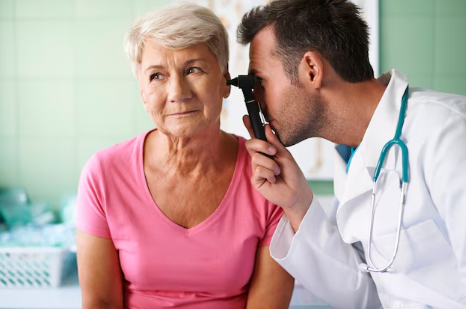
Hearing health is often overlooked until problems arise. However, regular hearing assessments are essential for maintaining good auditory function and overall well-being. Audiometric testing is a key tool in diagnosing, monitoring, and managing hearing loss, ensuring individuals receive the care they need before the condition worsens.
The Role of Audiometric Testing
This form of hearing assessment helps determine how well a person can hear different frequencies and volumes. An audiometric test is used to detect early signs of hearing loss, evaluate the severity of an existing condition, and monitor any changes over time. Through this process, healthcare professionals can recommend suitable treatments, assistive devices, or lifestyle changes to enhance communication and quality of life.
Audiometric testing is particularly useful for individuals exposed to loud environments, older adults, children with speech delays, Eosera children’s ear drops and those experiencing symptoms like ringing in the ears or difficulty understanding conversations. By undergoing regular hearing evaluations, individuals can take proactive steps to preserve their auditory health.
Understanding How Audiometric Testing Works
This assessment measures a person’s ability to hear sounds at different frequencies. It is conducted in a controlled environment, often a soundproof room, to eliminate external noise that could interfere with the results. The test involves the use of specialized equipment, including headphones and bone conduction devices, to deliver sounds at various intensities.
The process usually begins with a pure-tone test, where an individual listens to beeping sounds and indicates when they can hear them. Speech testing follows, assessing the ability to recognize and understand spoken words at different volumes. Additional tests, such as tympanometry and auditory brainstem response evaluations, may be performed to examine middle ear function and neurological responses to sound.
Results from audiometric testing are plotted on an audiogram, a visual representation of hearing sensitivity. This chart helps healthcare providers identify patterns of hearing loss, distinguishing between conductive, sensorineural, and mixed hearing impairments. Understanding these distinctions is essential in determining the most appropriate treatment approach.
Why Early Detection Matters
Hearing loss can develop gradually, making it difficult for individuals to notice the changes. Many people adapt by increasing the volume on devices, asking others to repeat themselves, or avoiding noisy environments. Unfortunately, delaying intervention can lead to further deterioration, making it harder to restore hearing function later.
For children, undetected hearing issues can hinder language development, academic performance, and social interactions. Early diagnosis allows for timely support, such as speech therapy, hearing aids, or cochlear implants, ensuring they can communicate effectively with others.
In adults, untreated hearing loss has been linked to cognitive decline, social isolation, and reduced workplace productivity. Regular audiometric screenings help individuals maintain their auditory health and overall well-being by addressing problems early.
Audiometric Testing for Different Age Groups
The approach to audiometric testing varies based on age. For children, engaging techniques such as play audiometry are used to make the process enjoyable. This method involves responding to sounds by performing simple actions like placing a toy in a container. Older children undergo standard pure-tone and speech audiometry to evaluate their hearing abilities.
Adults typically undergo a comprehensive hearing assessment, which may include tests for noise-induced hearing loss, age-related decline, or medical conditions affecting the auditory system. Occupational testing is also essential for individuals working in environments with high noise levels, such as construction sites or factories, to prevent long-term damage.
Occupational Hearing Loss and the Importance of Workplace Testing
Exposure to loud noise over extended periods can lead to irreversible hearing damage. Many industries require employees to undergo regular audiometric evaluations to monitor their hearing and implement protective measures. Workplace hearing conservation programs aim to reduce the risk of noise-induced hearing loss by enforcing safety protocols, providing hearing protection devices, and offering training on best practices.
Routine testing in occupational settings ensures that any decline in hearing is detected early, allowing employers and employees to take necessary actions. This may include modifying work environments, reducing exposure times, or using advanced hearing protection technology.
Advancements in Audiometric Testing
Technology has transformed the way hearing assessments are conducted. Automated audiometry has made testing more accessible, allowing individuals to assess their hearing remotely through mobile apps and web-based platforms. These innovations provide convenience, particularly for those in remote areas or with mobility restrictions.
Artificial intelligence is also playing a role in hearing assessments, helping to analyze test results more accurately and predict potential risks. The integration of telehealth services allows audiologists to conduct virtual consultations, making hearing care more available to a wider population.
What to Do After an Audiometric Test
Once the test is complete, healthcare professionals review the results with the individual, explaining any hearing concerns and possible treatment options. Depending on the findings, recommendations may include hearing aids, medical interventions, or lifestyle adjustments to prevent further hearing loss.
For those diagnosed with significant hearing impairment, assistive technologies and communication strategies can greatly improve their daily interactions. Hearing aids, cochlear implants, and captioning services are some of the solutions that help individuals stay engaged in conversations and activities.
Regular follow-up assessments are important for tracking any changes in hearing ability. By staying proactive and prioritizing auditory health, individuals can maintain a high quality of life and prevent further complications related to hearing loss.
The Future of Audiometric Testing
Innovations in hearing healthcare continue to emerge, improving the accuracy and accessibility of audiometric assessments. With advancements in artificial intelligence, digital hearing aids, and personalized treatment plans, individuals can receive more precise and effective solutions for their hearing needs.
As awareness of hearing health grows, more people are seeking regular evaluations to ensure they can hear clearly and communicate effectively. With the right tools and professional guidance, audiometric testing remains a crucial step in maintaining overall well-being and preventing long-term auditory issues.
