


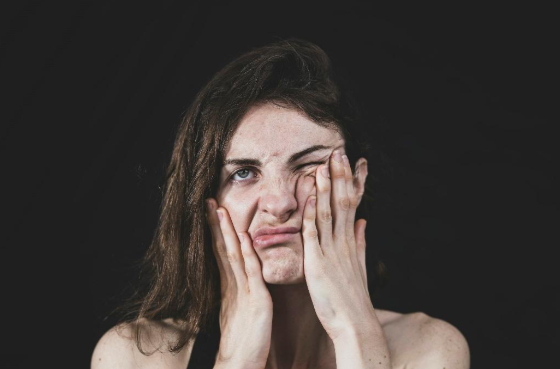
A glowing, youthful complexion is often considered the hallmark of good health and vitality. While skincare routines, hydration, and sun protection are commonly emphasized, the role of internal factors—particularly stress—remains undervalued. Stress is not just a psychological burden; it has a tangible impact on the skin, accelerating aging, dullness, breakouts, and sensitivity.
In the fast-paced world we live in, chronic stress has become a silent aggressor against the skin’s natural radiance. The effects are not always immediate but become more pronounced over time, contributing to premature aging, fine lines, and even inflammatory skin conditions. Managing stress, therefore, isn’t just a mental or emotional priority—it’s a cornerstone of preserving youthful skin.
Supporting Cosmetic Treatments Through Stress Management
Botox is a widely recognized cosmetic treatment used to soften the appearance of fine lines by temporarily relaxing targeted facial muscles. Its effects typically remain visible for several months, offering smoother skin without the need for invasive procedures. The duration can vary from person to person, depending on metabolism, facial activity, and skincare habits.
What many people don’t realize is that the lifestyle you lead after the treatment can play a major role in how long the results actually last. Stress, for example, influences facial movements, hormone levels, and even how your body responds to cosmetic interventions. People under constant stress may find themselves unconsciously frowning or tensing their facial muscles more often, which could reduce the longevity of their results.
In this sense, learning to manage stress well may actually help Botox last longer, giving your skin more time to benefit from the treatment’s effects before requiring another session.
How Stress Ages Your Skin from the Inside Out
The skin is often referred to as a mirror of one’s internal health, and stress leaves unmistakable fingerprints on it. When the body perceives a threat—real or imagined—it triggers the “fight or flight” response. This response involves the release of stress hormones like cortisol and adrenaline, which prepare the body for action but simultaneously compromise the skin’s well-being.
Cortisol, in particular, is a key culprit in premature aging. It breaks down collagen, the protein that maintains skin’s firmness, and slows down the production of hyaluronic acid, which keeps skin hydrated. Over time, the skin loses elasticity and begins to sag. Chronic stress also disrupts the skin’s barrier function, making it more susceptible to environmental damage and dehydration.
Moreover, stress is linked to increased free radical activity. Free radicals damage skin cells and accelerate the aging process, contributing to wrinkles, uneven skin tone, and a loss of youthful plumpness. When stress becomes a part of everyday life, these internal reactions become chronic, gradually taking a toll on your complexion.
Inflammation: The Hidden Saboteur
Another direct impact of stress on the skin is inflammation. Psychological stress has been shown to trigger a cascade of inflammatory responses in the body. For the skin, this can mean increased sensitivity, redness, and a higher risk of flare-ups in conditions such as acne, eczema, and rosacea.
Inflammation not only causes discomfort and visible skin issues but also interferes with the skin’s healing process. Blemishes take longer to disappear, and post-inflammatory hyperpigmentation becomes more stubborn. Over time, chronic inflammation undermines the skin’s structure and appearance, making stress management a necessary part of both treatment and prevention.
The Role of Sleep and Skin Regeneration
Stress and poor sleep often go hand-in-hand, forming a vicious cycle that affects your skin’s ability to recover. Sleep is when the body undergoes its most intensive repair and regeneration processes. During deep sleep, skin cells renew themselves, blood flow to the skin increases, and collagen production accelerates.
When stress compromises sleep quality, these reparative functions are disrupted. The skin may appear dull, tired, and puffy, with dark circles becoming more prominent. Over time, lack of restful sleep contributes to the formation of wrinkles and weakens the skin’s resilience.
By managing stress through mindfulness, relaxation techniques, or lifestyle adjustments, you can improve the quality of your sleep. In turn, this promotes better skin regeneration and contributes to a healthier, more youthful appearance.
Hormonal Balance and Skin Health
Stress doesn’t operate in isolation; it affects the entire endocrine system. When stress hormones surge, they can throw other hormones out of balance. For example, increased cortisol can suppress the production of reproductive hormones, such as estrogen and progesterone, both of which are essential for maintaining skin thickness, hydration, and elasticity.
In men, chronic stress may lead to lower testosterone levels, which can impact skin strength and oil production. An imbalance in these hormone levels can lead to dry skin, increased sensitivity, and a diminished capacity for healing. The hormonal imbalances caused by stress also explain why acne can flare up during particularly stressful periods, even in adults who otherwise have clear skin.
Balancing your hormones through stress-reducing activities—like exercise, balanced nutrition, and meditation—can bring the body back into harmony and restore your skin’s natural equilibrium.
Mental Calmness and Consistency in Skincare
Skincare isn’t just about using the right products; it’s also about applying them consistently and mindfully. When you’re overwhelmed by stress, routines tend to fall apart. You may forget to cleanse your face, skip moisturizing, or neglect sun protection. Over time, these missed steps contribute to skin damage and premature aging.
Maintaining a sense of mental calmness improves your ability to follow through with your skincare regimen. More than that, being present and intentional in how you care for your skin can create a soothing ritual that helps you unwind. This dual benefit—psychological and physical—can be a small but powerful way to counteract stress.
Practical Stress-Reduction Habits for Youthful Skin
Incorporating small, daily habits to manage stress can result in profound improvements in skin appearance. Here are a few approaches that integrate seamlessly into daily life:
- Breathing Exercises: Deep breathing slows the heart rate and reduces cortisol levels, improving blood circulation and helping the skin get more oxygen and nutrients.
- Physical Activity: Exercise is a proven stress reliever that promotes better sleep, boosts mood, and increases collagen production through improved blood flow.
- Mindful Nutrition: A diet rich in antioxidants, healthy fats, and hydrating foods can strengthen the skin’s barrier and counteract the effects of stress-induced damage.
- Digital Detox: Limiting screen time, especially before bed, supports better sleep and reduces the visual stress that often leads to facial tension and frown lines.
- Nature and Sunlight: Spending time outdoors can elevate your mood and help regulate circadian rhythms, which are essential for restful sleep and healthy skin repair.
All in all, youthful skin is a reflection of both outer care and inner balance. While cosmetic procedures and skincare products play a vital role in maintaining your appearance, true radiance begins beneath the surface. Stress, when left unchecked, undermines nearly every element of skin health—collagen production, hydration, regeneration, and hormonal balance.
