


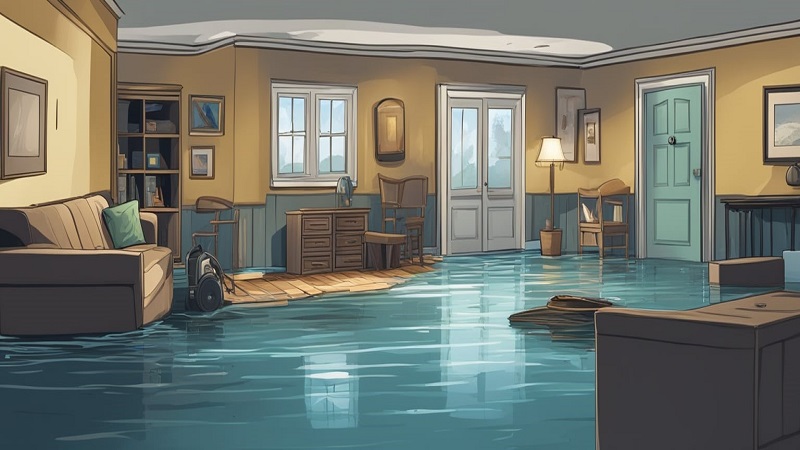
Water damage is one of the most common and costly disasters that can strike your home, often catching homeowners unprepared. From burst pipes in winter to heavy rainstorms and flooding, water can quickly infiltrate your living space and cause significant structural damage. Knowing how to respond within the first 24-48 hours is crucial to preventing secondary damage like mold growth, which can begin within just 24 hours of water exposure.
Taking immediate action after water damage occurs not only helps preserve your property but also protects your family’s safety and health. Many homeowners don’t realize that contaminated water can contain harmful bacteria and pathogens, making proper cleanup essential. Additionally, understanding your insurance coverage before disaster strikes can save thousands in out-of-pocket expenses.
Preventive measures are ultimately the best defense against water damage. Regular maintenance of plumbing systems, proper drainage around your property, and installing water detection devices can significantly reduce the risk of experiencing a water-related catastrophe. These simple yet effective steps can help homeowners avoid the stress, disruption, and financial burden that water damage restoration often entails.
Understanding Water Damage and Initial Response
Water damage incidents vary in severity and source, requiring homeowners to recognize warning signs early and take appropriate action. Quick identification and response can significantly reduce damage extent and restoration costs.
Types of Water Damage and Associated Risks
Water damage falls into three primary categories based on contamination level. Category 1 involves clean water from broken pipes or overflowing sinks, posing minimal health risks initially. This type can escalate if left untreated for over 24 hours.
Category 2 contains “gray water” with some contaminants from dishwashers, washing machines, or clean toilets. This water can cause illness if ingested and degrades quickly into category 3.
Category 3 or “black water” contains hazardous contaminants from sewage backups, flooding, or standing water that has developed bacterial growth. This type poses serious health risks including infectious disease and requires professional handling.
All categories can lead to structural damage and mold growth within 24-48 hours. Mold poses significant respiratory risks and can spread throughout the home, compromising indoor air quality and structural integrity.
Safety First: Protecting Yourself and Your Loved Ones
Before addressing water damage, ensure personal safety by turning off electricity to affected areas. Water conducts electricity, creating serious electrocution hazards in flooded environments.
Use appropriate protective equipment when handling water damage:
- Rubber boots and gloves for electrical protection
- N-95 respirator masks for mold exposure prevention
- Eye protection when dealing with contaminated water
- Waterproof clothing for category 2 and 3 water exposure
Evacuate immediately if structural damage appears significant or if black water is present. Children, elderly individuals, and those with compromised immune systems should stay away from affected areas completely.
Document damage with photos before beginning cleanup for insurance purposes, but never prioritize documentation over safety concerns.
Immediate Steps to Mitigate Water Damage
Stop the water source immediately if possible by shutting off the main water supply, fixing leaking pipes, or blocking entry points during flooding. This prevents additional water from worsening the situation.
Remove standing water quickly using pumps, wet vacuums, or buckets depending on depth. The faster water is removed, the less damage will occur to building materials and belongings.
Begin the drying process by:
- Opening windows and doors to increase air circulation
- Using fans and dehumidifiers strategically
- Removing wet carpet padding and heavily saturated materials
- Raising furniture on blocks away from wet flooring
Contact your insurance company promptly to report the damage and understand coverage limitations. Most policies require immediate notification and mitigation efforts from homeowners.
Professional restoration services should be called for significant damage, especially with category 2 or 3 water. These experts have specialized equipment to detect hidden moisture and prevent secondary damage like mold growth.
Navigating Repairs and Restoration
Effective water damage restoration requires strategic planning and informed decision-making to ensure your home returns to its pre-damage condition safely and efficiently.
Choosing a Reputable Water Damage Restoration Company
Selecting the right restoration professionals is crucial for effective recovery. Look for companies with proper certification from organizations like the Institute of Inspection Cleaning and Restoration Certification (IICRC). These certifications ensure technicians have received proper training in water damage restoration techniques.
Ask potential companies about their response time. Reputable services offer 24/7 emergency response because quick action prevents further damage and mold growth.
Request detailed written estimates that outline the complete scope of work. Be wary of companies offering significantly lower prices than competitors, as this often indicates cut corners or hidden fees.
Check online reviews and ask for references from previous clients. Legitimate restoration companies should have insurance and necessary licenses to operate in your area, protecting you from liability during the restoration process.
The Restoration Process: What to Expect
The restoration begins with a comprehensive assessment to determine the extent of damage and classify the water contamination level. Professionals categorize water as clean, gray (slightly contaminated), or black (severely contaminated).
Water extraction comes next, using powerful pumps and vacuums to remove standing water. This phase typically takes several hours depending on the affected area size.
Thorough drying follows, utilizing industrial-grade dehumidifiers and air movers strategically placed to eliminate moisture from walls, floors, and furniture. This process may take 2-5 days, with technicians monitoring moisture levels daily.
Cleaning and sanitizing are critical steps, especially with gray or black water damage. Professionals use antimicrobial treatments to prevent mold growth and eliminate odors.
Restoration is the final phase, ranging from minor repairs like replacing drywall to major reconstruction of structural elements. Throughout this process, detailed documentation creates a record for insurance purposes.
Dealing with Insurance: Making a Successful Claim
Contact your insurance company immediately after discovering water damage. Most policies require prompt notification to qualify for coverage.
Document everything thoroughly before cleanup begins. Take clear photos and videos of all damaged areas and items from multiple angles.
Keep detailed records of all communications with your insurance company. Note the date, time, representative’s name, and discussion points of each interaction.
Important documentation to maintain:
- Original damage photos/videos
- Inventory of damaged items with approximate values
- All restoration estimates and invoices
- Correspondence with insurance adjusters
Request a clear explanation of your coverage limits and deductibles. Many homeowners are surprised to learn standard policies often exclude certain types of water damage, particularly flooding from external sources.
Proactive Measures: Preventing Future Water Damage
Install water detection devices near appliances, bathrooms, and basements. Modern smart sensors can send alerts to your phone when moisture is detected, allowing for immediate response even when you’re away.
Schedule regular maintenance for plumbing systems and appliances. Annual inspections by licensed plumbers can identify potential issues before they cause significant damage.
Consider upgrading to water-resistant building materials during renovation projects. Water-resistant drywall, sealed grout, and properly installed vapor barriers significantly reduce damage potential.
Seasonal maintenance checklist:
- Clean gutters and downspouts quarterly
- Inspect roof for damaged shingles twice yearly
- Test sump pump systems before rainy seasons
- Check water heater for leaks annually
- Disconnect outdoor hoses before winter freezes
Maintain proper drainage around your home’s foundation. The ground should slope away from your house, and downspouts should extend at least 5-10 feet from the foundation.
