


A Peru itinerary is a travel plan that helps you explore the country’s incredible diversity—ranging from ancient ruins to breathtaking landscapes and vibrant culture. Here’s a sample of a well-rounded Peru itinerary:
Start in Lima, the bustling capital. Explore its colonial architecture, museums, and enjoy world-class Peruvian cuisine.
From Lima, head to Cusco, the former Inca capital, where you can experience vibrant culture and visit iconic sites like Sacsayhuamán and Qorikancha.
Next, visit the Sacred Valley, known for its stunning landscapes and ancient Inca ruins, including Pisac and Ollantaytambo.
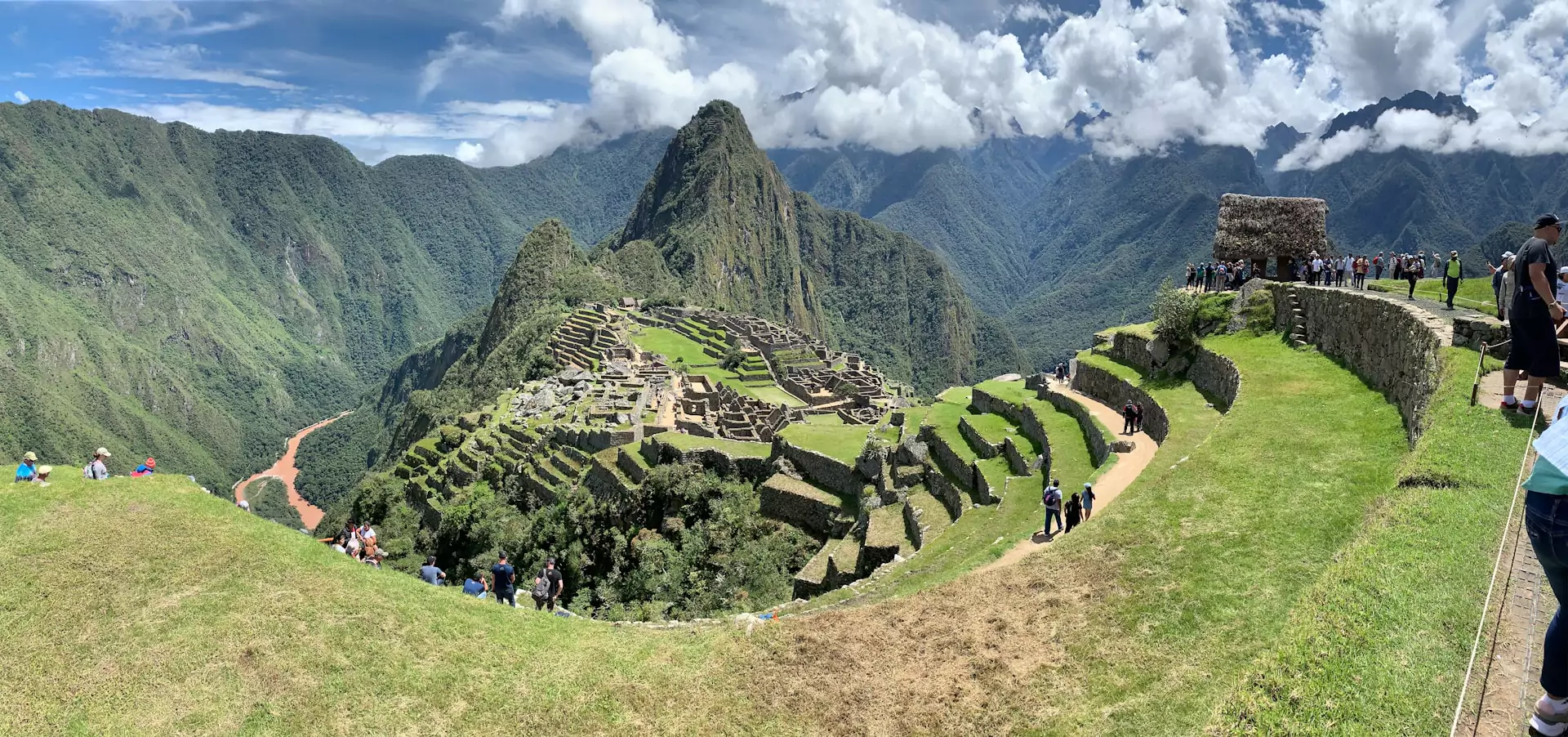
From here, embark on the journey to Machu Picchu, the highlight of any Peru itinerary. You can either hike the Inca Trail or take the train to this legendary site.
Afterward, visit Lake Titicaca, the highest navigable lake in the world, and explore its floating islands and indigenous cultures.
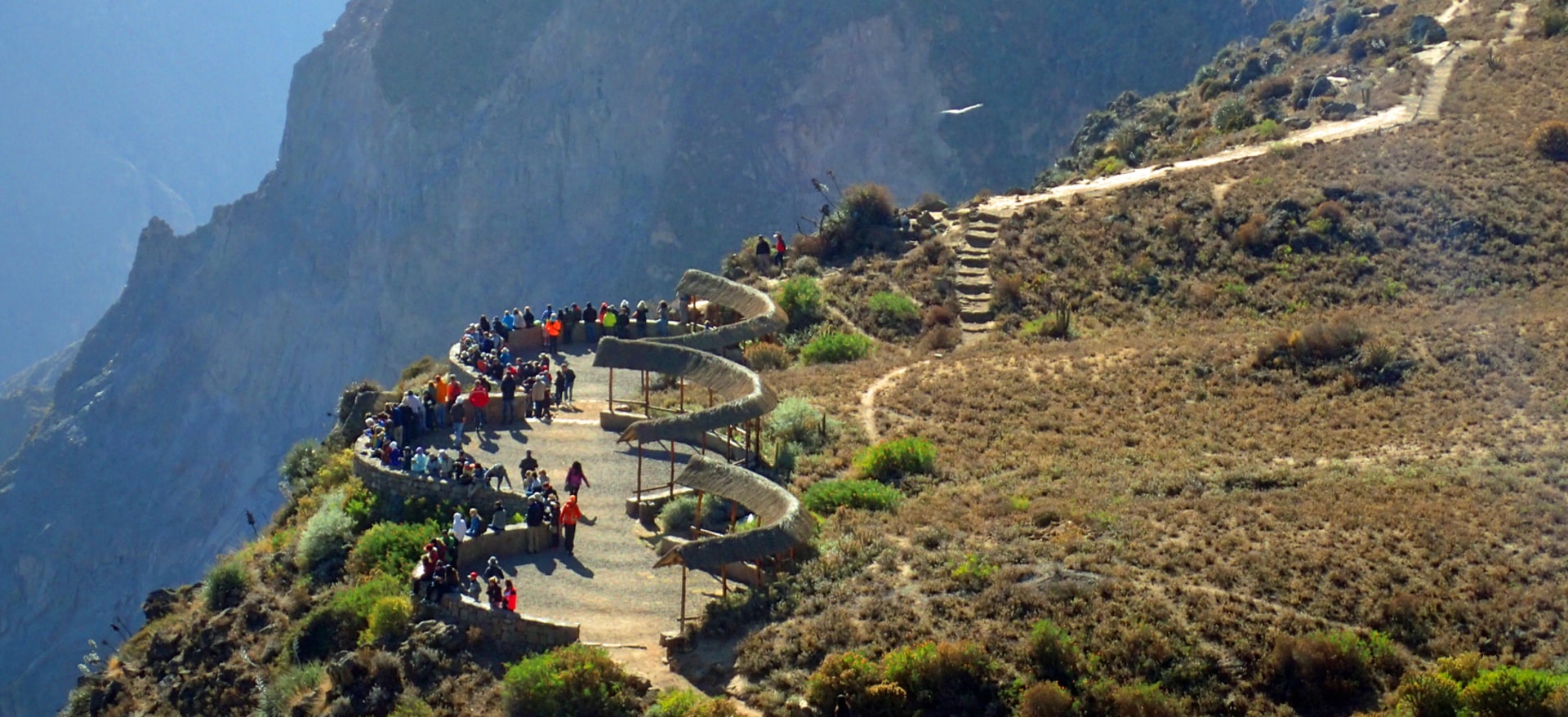
Head to Arequipa to experience its colonial charm, then visit Colca Canyon, one of the deepest canyons in the world, famous for sightings of the majestic Andean condor.
Essential Peru Itinerary Overview
An essential Peru itinerary is a carefully crafted travel plan that allows you to experience the highlights of this diverse and culturally rich country in a limited amount of time.
Peru offers everything from ancient history and Incan ruins to stunning landscapes and vibrant cities, making it an ideal destination for all types of travelers.
Start your journey in Lima, the capital city, where you can dive into the local food scene, visit the Plaza Mayor, and explore museums that showcase Peru’s rich history.
From Lima, head to Cusco, the former Inca Empire’s capital, where you’ll get immersed in the blend of ancient culture and colonial architecture. Don’t miss nearby Sacsayhuamán and Qorikancha, sacred Incan sites.
The Sacred Valley is your next stop, a region filled with Incan archaeological sites and picturesque towns like Ollantaytambo and Pisac.
The iconic Machu Picchu is the crowning jewel of this journey, where you’ll experience the ancient wonder either by trekking the Inca Trail or taking the scenic train route.
Finish your trip in Lake Titicaca, visiting the floating islands, and exploring the Colca Canyon to spot Andean condors. Optionally, end your adventure with a journey into the Amazon Rainforest to experience nature at its finest.
When to Visit Peru

The best time to visit Peru depends on the regions you plan to explore and the type of experience you’re seeking.
Here’s an overview of the optimal travel times:
Dry Season (May to September)
The dry season is generally the best time to visit Peru, especially for trekking and exploring the highlands. The weather is cooler and more comfortable, with less rain, making it ideal for hiking the Inca Trail and visiting Machu Picchu.
The Sacred Valley and Cusco are at their best, with sunny days and clear skies. This is peak tourist season, so expect larger crowds, especially in popular areas like Machu Picchu and Cusco.
Wet Season (October to April)
The wet season, particularly January to March, brings rain to the highland regions, making trails and ruins slippery and harder to access.
However, April and October can still offer decent weather with fewer crowds, especially in lower-altitude areas like Lima, the Amazon, and Arequipa.
For those who want to experience the lush green landscapes of the highlands and fewer tourists, visiting during the early months of the wet season can offer a more peaceful experience.
Amazon Region
For the Amazon Rainforest, the best time to visit is typically during the dry season (May to October), as rivers are lower, making it easier to navigate by boat and explore jungle trails.
What to Pack for Your Peru Adventure
Packing for your Peru adventure requires a thoughtful approach, as the country’s diverse climate and terrain call for a variety of clothing and gear.
Whether you’re exploring the high-altitude mountains, the Amazon rainforest, or the coastal cities, here’s a guide on what to pack:
Clothing
- Lightweight Clothing: For warm regions like Lima or the Amazon, pack lightweight, breathable clothing to stay cool in hot temperatures.
- Layers for the Andes: If you’re visiting Cusco, Machu Picchu, or the Sacred Valley, temperatures can be chilly, especially in the evenings. Bring long pants, a warm jacket, and a sweater for layering.
- Rain Gear: If you’re traveling during the wet season (October to April), pack a rain jacket or poncho. It’s essential for exploring regions like the Amazon and the Sacred Valley.
- Comfortable Footwear: A good pair of walking shoes or hiking boots is a must for exploring ruins, trekking, and walking on cobblestone streets. If you plan on hiking the Inca Trail, sturdy boots with ankle support are crucial.
- Sun Protection: The high-altitude areas like Cusco can have strong sun exposure, so pack a wide-brimmed hat, sunglasses, and sunscreen.
Essential Gear
- Daypack: A small, sturdy backpack for carrying water, snacks, a camera, and any essentials while exploring.
- Water Bottle: Stay hydrated, especially while trekking. Many places offer refill stations, so bring a reusable bottle.
- Camera and Binoculars: If you’re visiting Machu Picchu or going on a wildlife tour in the Amazon, you’ll want to capture the moments and landscapes.
Health and Safety
- Insect Repellent: Essential for the Amazon or any rural areas, as mosquitoes can carry diseases.
- First-Aid Kit: Basic supplies like bandages, pain relievers, and altitude sickness medication (if needed) are important, especially in the high-altitude regions.
- Medications: If you’re traveling to higher altitudes, consult your doctor before your trip about altitude sickness medication. Also, carry any personal medications you might need.
Miscellaneous
- Travel Adapters: Peru uses Type A and Type C power plugs, so bring the appropriate adapter for your devices.
- Cash: While credit cards are widely accepted in larger cities, smaller towns may only accept cash. Always have Peruvian soles on hand.
- Copies of Important Documents: Keep copies of your passport, travel insurance, and any bookings in case of emergencies.
Peru Itinerary Day-by-Day Breakdown
A Peru itinerary can vary depending on the length of your stay, but here’s a 7-day day-by-day breakdown that covers the key highlights and gives you a well-rounded experience of the country’s rich culture, history, and stunning landscapes.
Day 1: Arrival in Lima
- Morning: Arrive in Lima, the capital of Peru. Check into your hotel and rest after your flight.
- Afternoon: Explore Miraflores and Barranco neighborhoods. Walk along the Cliffside Parks for great views of the Pacific Ocean.
- Evening: Head to a local restaurant for your first taste of Peruvian cuisine, such as ceviche or lomo saltado.
Day 2: Lima to Cusco
- Morning: Visit the Plaza Mayor, San Francisco Church, and Lima Cathedral. If time permits, check out the Larco Museum for ancient Peruvian artifacts.
- Afternoon: Fly to Cusco (1-hour flight). Acclimatize to the altitude (Cusco sits at 11,152 feet).
- Evening: Stroll around Plaza de Armas and enjoy a traditional Andean meal at a local restaurant.
Day 3: Sacred Valley
- Morning: Drive to the Sacred Valley. Visit the Pisac Ruins and the Pisac Market to shop for local handicrafts.
- Afternoon: Visit Ollantaytambo, an ancient Inca city and fortress. Explore its cobblestone streets and Incan architecture.
- Evening: Overnight in Ollantaytambo or return to Cusco.
Day 4: Machu Picchu
- Morning: Take the train from Ollantaytambo to Aguas Calientes (the town below Machu Picchu). From there, take a bus to the entrance of Machu Picchu.
- Afternoon: Spend the day exploring Machu Picchu, one of the New Seven Wonders of the World. Hike the Inca Bridge or Huayna Picchu for panoramic views.
- Evening: Return to Cusco by train.
Day 5: Explore Cusco
- Morning: Visit Sacsayhuamán, an Incan ceremonial complex with impressive stone walls. Next, explore Qorikancha, the Inca Temple of the Sun.
- Afternoon: Visit the San Pedro Market for a taste of local culture, and stop by the Cusco Cathedral.
- Evening: Enjoy a traditional Peruvian dinner with pisco sours and live music.
Day 6: Day Trip to Lake Titicaca
- Morning: Take an early flight or bus to Puno (around 7 hours by bus).
- Afternoon: Take a boat trip on Lake Titicaca, visiting the Uros Islands made of reed and the Taquile Island, where you’ll experience traditional Andean culture.
- Evening: Return to Puno for an overnight stay.
Day 7: Colca Canyon and Departure
- Morning: Early departure for Colca Canyon (6-hour drive from Puno). Explore the canyon’s breathtaking landscapes and spot the magnificent Andean condors.
- Afternoon: Return to Arequipa or continue to your next destination.
- Evening: Fly back to Lima for your departure or take an onward flight from Arequipa if you’re staying longer.
Top Travel Tips for First-Timers in Peru
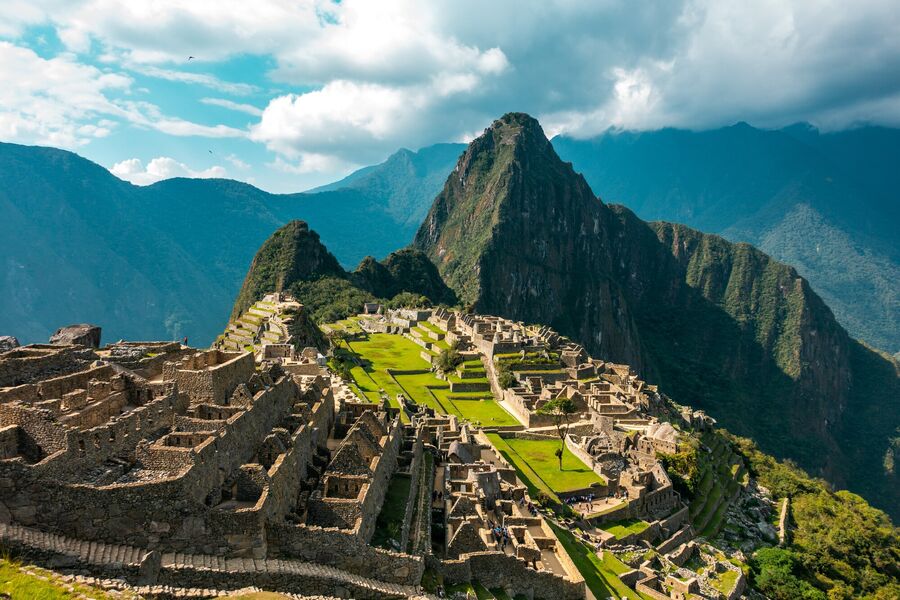
If you’re planning your first trip to Peru, you’re in for an unforgettable adventure. From the ancient ruins of Machu Picchu to the vibrant cultures of Cusco and Lima, Peru offers a rich travel experience.
Here are some top travel tips to make your journey smoother and more enjoyable:
Acclimatize to the Altitude
Peru’s high-altitude regions, especially Cusco (11,152 feet) and Machu Picchu, can cause altitude sickness. It’s important to:
- Spend a day or two in Cusco before venturing to higher altitudes.
- Stay hydrated and avoid heavy meals or alcohol.
- Consider bringing medication for altitude sickness or consult with a doctor before your trip.
Learn Basic Spanish Phrases
While many people in the tourist industry speak English, learning a few basic Spanish phrases can go a long way in making your trip smoother. Here are some useful ones:
- Hola (Hello)
- Por favor (Please)
- Gracias (Thank you)
- ¿Cuánto cuesta? (How much does it cost?)
Pack for Varying Weather
Peru has a diverse climate. Pack for different conditions depending on the regions you’re visiting:
- Cusco and the Sacred Valley: Layers, warm clothing for nights, and sunscreen for the strong sun.
- Amazon: Light, breathable clothing, insect repellent, and waterproof gear.
- Lima and coastal areas: Light clothes for warm weather, but also pack a jacket for chilly evenings.
Stay Safe with Water
Avoid drinking tap water in Peru. Always drink bottled water or use a water purifier. Be cautious with ice cubes, as they may be made from tap water. In rural areas, even salads or fruit that isn’t peeled may not be safe.
Respect Local Customs and Culture
Peru has rich cultural traditions, especially among indigenous communities. When visiting sacred sites like Machu Picchu or Sacsayhuamán, follow all guidelines and respect local traditions. Always ask permission before taking pictures, especially of local people or ceremonies.
Be Prepared for Insects
If you’re traveling to the Amazon or other rural areas, expect mosquitos and other insects. Pack:
- Insect repellent with DEET.
- Light-colored clothing to avoid attracting insects.
- Anti-itch cream or medication for bites.
Use Official Taxis or Ride Services
While taxis are common in cities like Lima, always use official taxis or ride services like Uber. Avoid hailing random taxis on the street for safety reasons.
Currency and Payment Tips
- The Peruvian sol (S/) is the official currency. Credit cards are accepted in many places, but smaller towns may require cash.
- Use ATMs in cities to withdraw cash, and always inform your bank about your travel dates to avoid issues with international transactions.
Prepare for Long Travel Times
While traveling between cities or regions, especially to remote destinations like Lake Titicaca or the Amazon, be prepared for long travel times. Roads can be bumpy, and flights to remote destinations can sometimes be delayed.
Don’t Miss the Local Food
Peruvian cuisine is a major highlight of the country. Make sure to try:
- Ceviche (fresh seafood with lime and chili)
- Lomo Saltado (stir-fried beef with rice and potatoes)
- Pisco Sour (the national drink made with Pisco, lime, egg whites, and bitters)
Conclusion
In conclusion, Peru is a destination that promises a blend of adventure, culture, and history, offering something unique for every traveler.
Whether you’re exploring the ancient Machu Picchu, hiking the Inca Trail, cruising through the Amazon Rainforest, or soaking in the beauty of Lake Titicaca, the country is full of awe-inspiring experiences.
By following essential tips like acclimatizing to the high altitudes, learning some basic Spanish phrases, and respecting local customs, you can make the most of your trip and avoid common pitfalls.
Packing for varying weather conditions, staying safe by drinking only bottled water, and using reputable transportation services like Uber or official taxis will help ensure a smooth journey. And don’t forget to try Peru’s renowned dishes, like ceviche and lomo saltado, to truly immerse yourself in the local culture.
By planning ahead, you’ll be prepared to enjoy everything Peru has to offer, from vibrant cities like Lima and Cusco to the stunning landscapes of the Sacred Valley and beyond.
Whether you’re a first-time visitor or a seasoned traveler, Peru will captivate you with its beauty, rich history, and welcoming people, leaving you with unforgettable memories.
