


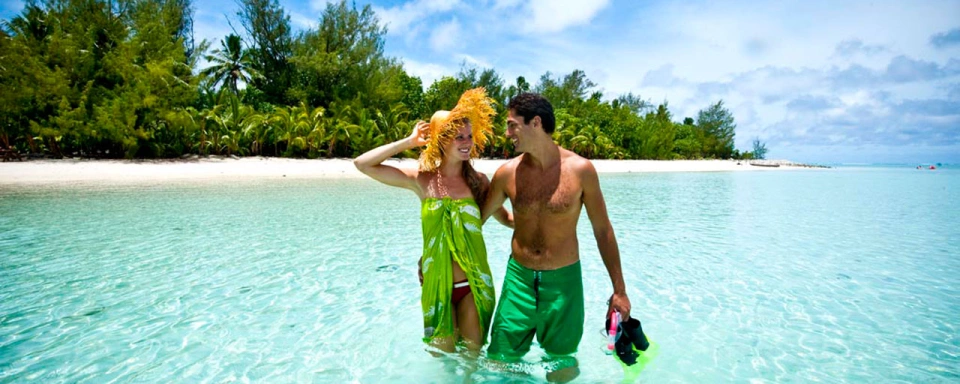
Île Cook is a small, uninhabited island located in the Tuamotu Archipelago of French Polynesia, often overshadowed by better-known destinations in the South Pacific.
Despite its modest size, Île Cook is a hidden gem known for its untouched beauty, crystal-clear waters, and abundant marine life. It lies within the Manihi Atoll and is part of a remote chain of coral islands and atolls, offering a unique and pristine natural environment.
Travelers often confuse Île Cook with the Cook Islands, but they are entirely different. The Cook Islands is an independent country in free association with New Zealand, comprising 15 islands.
In contrast, Île Cook is a single island governed by French Polynesia, with no permanent population or tourist infrastructure.
Access to Île Cook is limited, making it ideal for adventurous travelers, researchers, or eco-tourists interested in secluded nature and marine ecosystems.
The surrounding waters are perfect for snorkeling, diving, and observing diverse marine species, though trips to the island typically require special arrangements.
Where Is Ile Cook Located?
Île Cook is located in the Tuamotu Archipelago of French Polynesia, a vast group of coral atolls and islands in the South Pacific Ocean. Specifically, it lies within the Manihi Atoll, northeast of Tahiti, the capital island of French Polynesia.
Geographically, it is part of the overseas collectivity of France, meaning it is under French administration.
Île Cook is a remote and uninhabited island, surrounded by a turquoise lagoon and rich coral reefs, making it an appealing destination for eco-tourism, though access is limited and requires special arrangements, often by boat or seaplane from nearby islands.
Despite its name, Île Cook should not be confused with the Cook Islands, which is a separate group of islands located further west, near the international date line, and associated with New Zealand.
A Brief History of Ile Cook

Île Cook, located in the Tuamotu Archipelago of French Polynesia, has a relatively simple and tranquil history due to its remote nature.
The island is part of the Manihi Atoll, which is a coral-based atoll and has been largely uninhabited for most of its known history.
Early History:
- Indigenous Polynesians likely visited or passed by the island, as they explored the vast South Pacific long before European exploration. The Tuamotu islands were traditionally populated by Polynesian settlers who navigated the ocean using stars and currents.
- European discovery came much later in the late 18th century when French explorer Louis-Antoine de Bougainville and other navigators mapped the region. However, Île Cook itself was not a major stop on early European voyages.
Modern Era:
- Île Cook, like many smaller islands in the region, was largely ignored by colonial powers for most of its history. It remained uninhabited and untouched by large-scale human settlement, largely because of its remote location and lack of resources that could support a permanent population.
- Today, the island is primarily a nature reserve and ecotourism destination, drawing those looking for solitude and natural beauty. Its pristine environment has preserved much of its original landscape, making it a haven for marine life and a spot for occasional scientific research.
Top Things to Do on Ile Cook
While Île Cook is a small, uninhabited island with limited infrastructure, it offers a truly unique experience for travelers seeking solitude, nature, and adventure.
Here are some top things to do on Île Cook:
Snorkeling and Diving
The waters surrounding Île Cook are home to vibrant coral reefs and abundant marine life, including colorful fish, rays, and occasionally, sharks. Snorkeling and diving are some of the most popular activities, offering visitors the chance to explore underwater ecosystems in crystal-clear waters.
Relax on Pristine Beaches
Île Cook’s secluded beaches are ideal for relaxation. You can enjoy long stretches of white sand, where the only sound is the gentle surf. With few visitors, it offers an uninterrupted natural setting that’s perfect for unwinding.
Birdwatching
The island is home to various species of sea birds. If you enjoy birdwatching, you can spot species such as frigatebirds, terns, and other native Polynesian birdlife.
Kayaking and Paddleboarding
The calm, shallow lagoon surrounding Île Cook is ideal for water activities like kayaking and stand-up paddleboarding. These activities allow you to explore the coastline at your own pace while enjoying the peaceful atmosphere.
Fishing
Fishing is another popular activity on Île Cook, especially for those interested in catching local fish. You can fish off the coast or participate in more specialized deep-sea fishing excursions.
Eco-Tours and Research Visits
Given the island’s pristine condition, some organizations offer eco-tours or research visits to study the island’s marine ecosystems and biodiversity. This is ideal for nature enthusiasts or those interested in conservation efforts.
Island Exploration
Though the island is small and uninhabited, it’s still worth exploring its natural features. You can wander around and enjoy the island’s lush vegetation, rugged coral formations, and spectacular views of the surrounding atoll.
Best Time to Visit Ile Cook
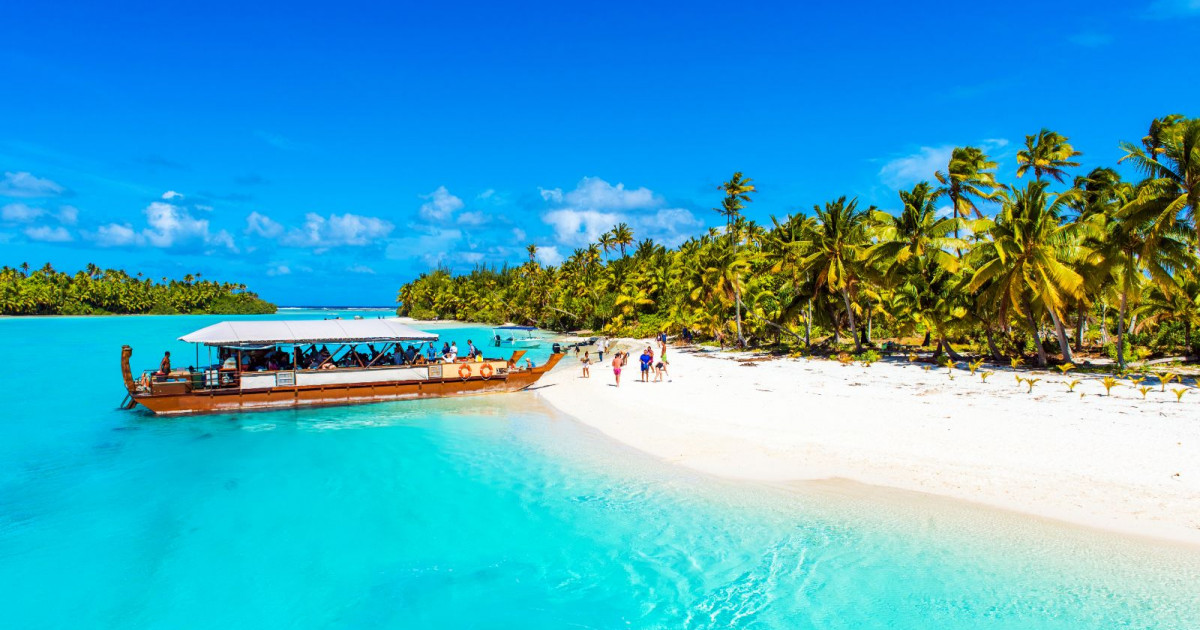
The best time to visit Île Cook largely depends on your preferences for weather, activities, and crowd levels. Given its location in the South Pacific, the island experiences a tropical climate, with warm temperatures year-round.
However, there are a few key considerations to make your visit more enjoyable.
Dry Season (May to October) – Ideal for most visitors
- Weather: This is the best time to visit Île Cook as it falls during the dry season, with warm, sunny weather and less rainfall. Temperatures range from 75°F to 85°F (24°C to 29°C), making it perfect for outdoor activities like snorkeling, diving, and exploring the beaches.
- Advantages: The dry season is optimal for marine activities since the sea conditions are generally calmer, and visibility for underwater exploration is better. Additionally, this period offers more stable weather and clearer skies for enjoying the island’s pristine beauty.
Wet Season (November to April) – For those seeking a quieter experience
- Weather: The wet season brings higher humidity and occasional rain showers, with temperatures reaching up to 86°F (30°C). Though there are still warm days, brief rain showers or storms can be expected, particularly from January to March.
- Advantages: Fewer tourists visit during this time, so if you prefer a quieter, more secluded experience, the wet season may suit you. However, some outdoor activities, especially water sports, may be limited due to rougher seas or unpredictable weather.
- Disadvantages: The increased rainfall could hinder outdoor adventures, especially for those planning to spend a lot of time snorkeling, diving, or kayaking.
Best Overall Time: May to October
This is generally considered the ideal time to visit, with the best balance of pleasant weather and good conditions for outdoor activities.
July and August are peak months for tourism, so you may see slightly more visitors, but it’s still less crowded compared to other popular tropical destinations.
Tips for Visiting:
- Travel Prep: Since Île Cook is remote and lacks extensive infrastructure, be sure to plan transportation and accommodation ahead of time.
- Packing: Bring lightweight clothing, sun protection, and water gear for any water-based activities.
How to Get to Ile Cook
Getting to Île Cook can be a bit of a challenge due to its remote location in the Tuamotu Archipelago of French Polynesia.
The island is uninhabited and lacks commercial infrastructure, so access is typically limited to specialized tours, private charters, or research trips.
Here’s a general guide on how to reach Île Cook:
Fly to Tahiti (Faa’a International Airport)
- The first step is to fly into Tahiti, the largest island in French Polynesia. The main international gateway is Faa’a International Airport (PPT) in Papeete.
- Flights to Tahiti are available from major international airports such as Los Angeles, Auckland, and Paris, with regular connections from New Zealand, Australia, and the U.S.
Travel to the Tuamotu Archipelago
- From Tahiti, you’ll need to take a domestic flight to the Tuamotu Archipelago, where Manihi Atoll (the nearest group to Île Cook) is located. Air Tahiti operates flights to Manihi and other atolls.
- Flight Duration: The flight from Tahiti to Manihi Atoll typically takes around 1.5 to 2 hours.
Private Boat or Chartered Flight to Île Cook
- Île Cook is a small and uninhabited island, so there are no regular commercial ferries or scheduled flights to it. Visitors typically arrange for private boat trips or chartered seaplane flights from Manihi Atoll or nearby islands.
- Chartered Seaplanes or Boats: These arrangements can be made through local tour operators or travel agencies that specialize in eco-tourism or private island experiences. You may need to book in advance, especially during peak tourist seasons (May to October).
Ecotourism & Research Expeditions
- Another way to visit Île Cook is through eco-tours or research expeditions. Some organizations conduct scientific research or environmental conservation programs on the island and may allow visitors to join in.
- These visits often include guided tours, where you can learn about the local ecosystems and wildlife.
Important Considerations:
- Travel Time: Because Île Cook is off the beaten path, travel to and from the island can be time-consuming and expensive. Plan for an adventurous journey!
- Limited Amenities: Be prepared for the lack of infrastructure on Île Cook. There are no hotels or restaurants, so your trip will be much more self-sufficient. Consider bringing your own supplies if you plan to stay for an extended period.
Is Ile Cook Safe for Tourists?
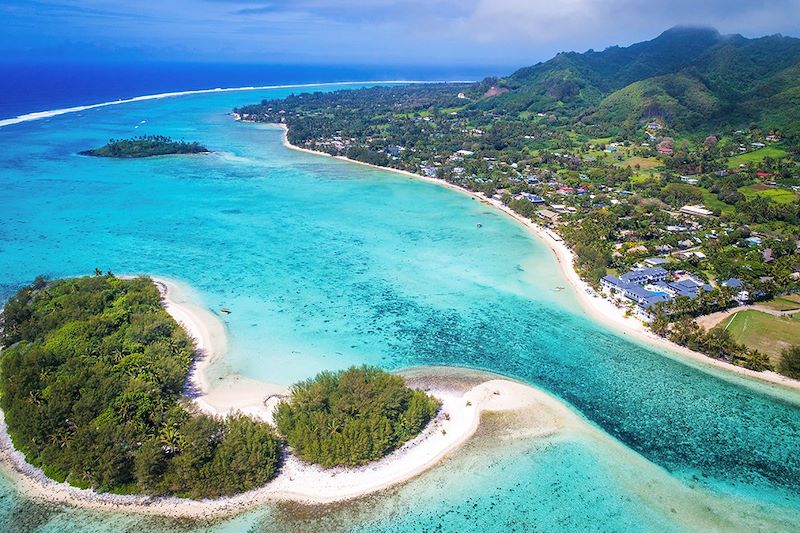
Yes, Île Cook can be considered safe for tourists, but due to its remote and uninhabited nature, there are a few important considerations to keep in mind.
Here’s a breakdown of the safety aspects for those planning to visit:
Safety from Crime
Île Cook is a secluded island with no permanent population, so crime is not a concern here. There are no cities, shops, or crowds, making it a peaceful and tranquil destination. The primary risk is likely from natural factors, rather than human activity.
Natural Hazards
Wildlife: While the island is home to marine life, such as sharks and rays, encounters are rare and typically not dangerous if you respect the environment and follow the guidance of local tour operators. There are no dangerous land animals, but if you plan to explore, be cautious of sharp coral reefs and sudden ocean currents.
Weather: The weather can be unpredictable, especially during the wet season (November to April). Tropical storms or heavy rainfall could create hazardous conditions, such as slippery trails or strong tides. Always check the weather forecast before your trip, especially if you’re planning water activities like snorkeling or diving.
Access and Emergency Services
Limited Infrastructure: Île Cook is uninhabited, and there are no hospitals, emergency services, or nearby settlements on the island. If you’re planning to visit, ensure you have appropriate travel insurance and that your tour operator has a solid emergency evacuation plan in place.
Transportation: Since getting to the island requires a private boat or chartered seaplane, these transportation options are generally safe as long as you’re traveling with reputable operators. Ensure your operator is experienced in navigating these waters.
Health and Medical Preparedness
Medical Supplies: Given the island’s isolation, it’s a good idea to bring your own first aid kit and any necessary medications. There are no medical facilities nearby, so it’s important to be self-sufficient in case of minor injuries or health issues.
Water Safety: Always use bottled water and avoid drinking from natural sources to prevent waterborne illnesses.
Eco-Tourism Considerations
As Île Cook is part of a pristine and protected ecosystem, make sure to follow environmentally responsible practices. This includes minimizing your impact on the land, respecting wildlife, and following local guidelines for eco-friendly tourism.
Guided Tours for Added Safety
Since Île Cook is off the beaten path, it’s highly recommended to visit as part of a guided tour or eco-tourism program. These organized trips can ensure that your visit is safe, smooth, and follows proper guidelines for enjoying the island without endangering yourself or the environment.
Conclusion
In conclusion, Île Cook offers a unique and tranquil escape for those seeking a remote, pristine destination. Its seclusion, natural beauty, and opportunities for marine activities like snorkeling, diving, and fishing make it an attractive spot for adventurous tourists.
However, due to its uninhabited nature and lack of infrastructure, careful planning is required to ensure a safe and enjoyable visit.
To make the most of your trip, it’s important to consider the best time to visit (May to October), arrange transportation via private boats or chartered flights, and be prepared for its rugged environment.
Always travel with reliable operators for tours and activities, and keep in mind the importance of self-sufficiency in this remote location.
While Île Cook is safe for tourists, it requires travelers to be mindful of natural hazards, such as unpredictable weather and wildlife, and to take proper precautions for health and safety.
