
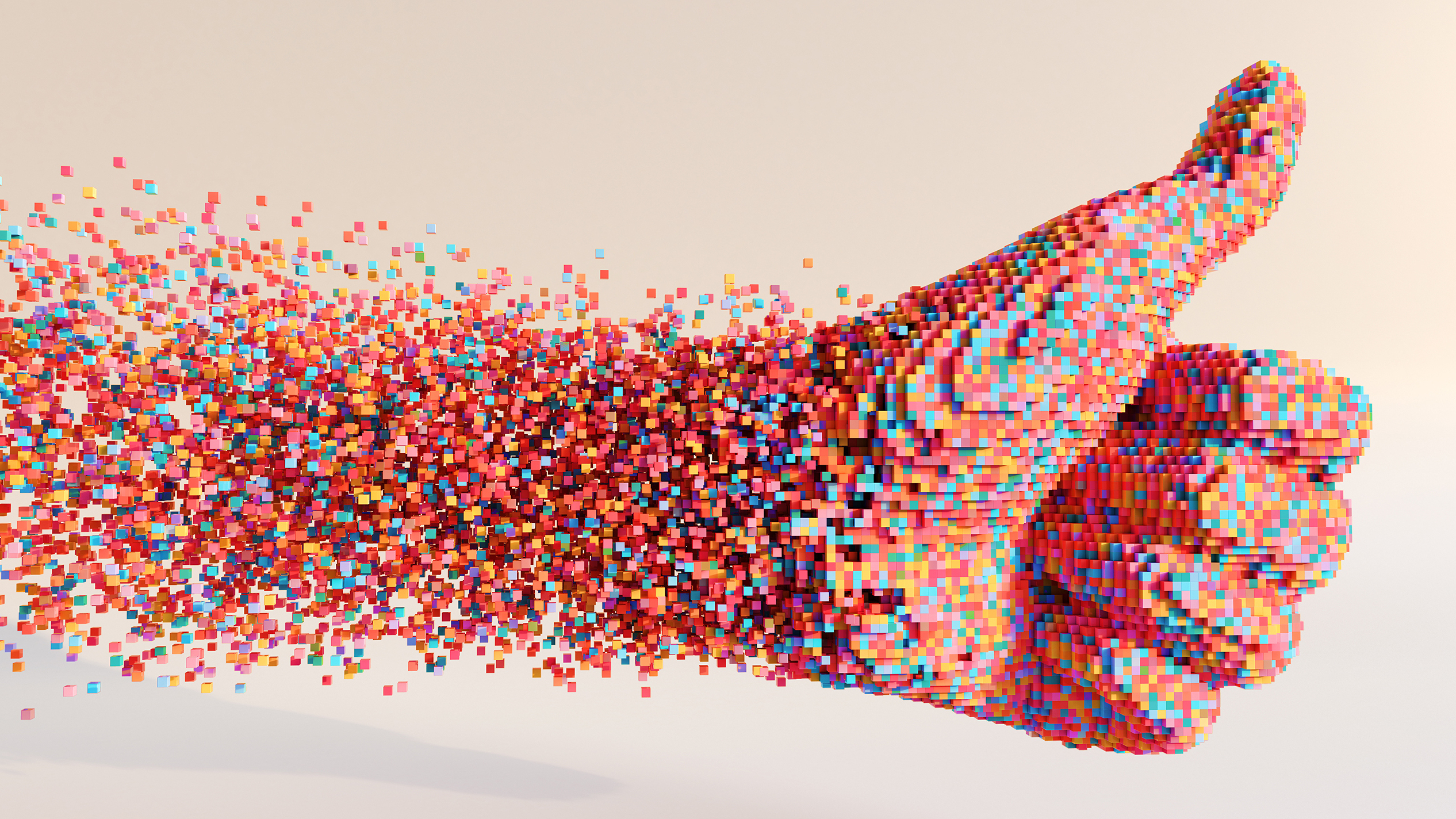
As we navigate the digital labyrinth of the 21st century, one cannot help but observe how culture—the music we make, the stories we tell, the art we present—is being remade at breakneck speed under the weight of algorithms, platforms, and AI music. They promise efficiency, accessibility, and democratization, but they leave us with an essential question: are we witnessing the slow dissolution of the human soul from art?
From filtered streaming services controlling what we watch to social media deciding what is ‘relatable’, our cultural intake is ever more dictated by trends, data points, and predictive models. It’s a curious paradox: never before have more art been so readily available, yet never before have more art been so algorithmically pre-packaged for the masses.
This shift is not just technological—it’s philosophical.
The Collapse of the Gatekeepers
In the past, culture was curated by community tastemakers, editors, and critics. Their task was an imperfect one, naturally, one that was far too often elitist or exclusive. But it was accompanied by a sense of responsibility and judgment. Today, virality has replaced curation. What becomes viral is not necessarily what is best, but what is most clickable. In this context, subtlety cannot survive.
The music industry offers perhaps the clearest perspective on this transition.
A decade ago, artists were fighting to secure record deals and live gigs to build their fanbase. Now, an individual viral TikTok video can ignite a career worldwide—beyond label record deal, tour, or even album-size track. Spotify platforms reward quality of quantity; the more you put out, the better chance of landing on algorithm playlists. It sets up a regime in which content reigns supreme—but sometimes quality.
And then comes a more confusing twist in this trajectory:
With programs like Suno, Udio, and Google’s MusicLM, it is now possible to compose songs with a few prompts. Such programs can mimic genre, instrumentation, lyrical content—even mood. At first glance, this is liberating. Imagine a young artist with no musical training suddenly composing orchestral ballads or lo-fi singles with a click.
But let us probe further. What does it mean when the act of creation—the labor, iteration, and expression—is delegated to a machine? When music is produced to sound like “heartbreak” or “nostalgia” from data, are they really evoking emotion, or just simulating it?
More seriously: who owns the music? Who is credited with its cultural impact? And what happens to the value of originality when anyone can put out a “new” song based on established patterns?
The Quiet Death of the Flawed Genius
One of the joys of art is that it’s imperfect. The roughness of an unplanned jazz improvisation, the tremble of a protest poem, the deliberate silence of a movie moment—all these are manifestations of human choice, frailty, and determination. When AI comes along, it smooths the edges, rounds out the pitch, and optimizes for delight.
This is not a dystopian gripe about “robots stealing our jobs.” It’s closer to personal. A quiet worry that, in an effort to make things easier for ourselves, we might be stripping away the very pushback that makes culture powerful.
Artists never stopped adapting to new instruments—from the printing press to the synthesizer. But those instruments amplified human capacity. They didn’t replace it. And now we are in danger of passing that line. The danger is not that AI will get better at making art. It is that audiences, increasingly accustomed to the smooth perfection of digital production, will start to prefer it.
Culture as Resistance
But all is not lost.
Across the world, there are pockets of resistance to art. Zine cultures go back to urban centers. Vinyls outsell CDs. Indie filmmakers shoot on DIY sets with vintage Super 8. Street poets claim public space. Even in the era of AI-made music, there are musicians embracing analog constraints as a rejection of sonic sameness.
There is now more hunger than ever before for the real. The sensual. The imperfect. There is lacking broader cultural literacy to perceive the difference—and to value it.
Artists, critics, and teachers must be more vigilant. We need new paradigms to discriminate creation from simulation, emotional depth from emotional design. This is not about drawing tight boundaries but to invite deeper conversation.
Toward a New Synthesis
Perhaps the future lies not in repudiating AI or digital media, but reframing their use. Can AI enhance rather than displace? Can it enlarge marginalized voices rather than repeat mainline sounds? Can it facilitate access without compromising meaning?
Our challenge today is not whether computers can make art—but whether human beings still have the capacity to feel it.
We must remember that culture is not content. It is memory. Resistance. Identity. And most of all, it is an expression of our shared humanity. If we give that up, we risk becoming more efficient and less compassionate.
And no algorithm, no matter how advanced, can put a number on the cost of that.
