


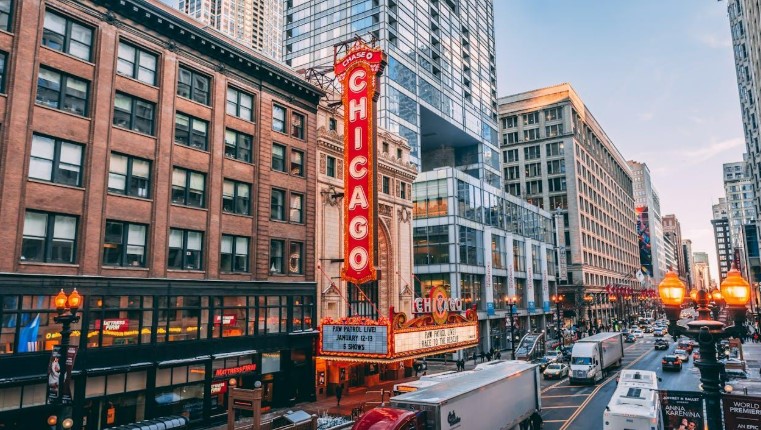
The first year after moving to Chicago can feel overwhelming. You’ve left the role of tourist behind, and now, you’re figuring out how to live here full-time. To adjust, you need more than a map or a list of attractions. You need practical strategies that help you understand how Chicago works and where you fit in. That first year sets the tone. You’ll build routines, face challenges, and slowly become a local. But you’ll only get there by learning as you go.
Know Your Neighborhood: Where You Live Shapes Your Experience
Where you decide to live affects almost every part of your daily life. Rent, walkability, transit access, and safety all vary across the city. Wicker Park attracts creatives with cafes and art spaces. Lakeview suits families with parks and schools. Hyde Park is quieter, with historic buildings and the University of Chicago nearby. The South Loop offers modern apartments close to downtown.
Still, don’t choose a place based on a daytime visit alone. A quiet street at noon may be loud after dark. Use apps to check crime data or train schedules. Ask locals or join neighborhood social media groups to learn more. Rent might be cheaper farther from the center, but weigh that against longer commutes and fewer services nearby.
Storage is another key part of setting up your space, especially if you’re in a smaller apartment. You might need to find cost-effective storage services to hold seasonal items, business stock, or things that don’t fit. Using an outside company gives you flexibility without cluttering your new home. It’s a smart choice in a city where space is often tight.
Master the Transit System and Skip the Driving Stress
Driving in Chicago is expensive, stressful, and often unnecessary. The CTA system covers most of the city with trains and buses. Buy a Ventra card and load money through the app or kiosk. The “L” train connects downtown to nearby neighborhoods while buses fill in the rest.
Occasionally, transit delays happen, especially during winter. Always leave extra time. Use Google Maps or the Transit app for live updates. Try to avoid driving downtown during rush hour or events—parking is limited and often restricted. In some areas, owning a car makes sense, but biking or walking is usually easier.
Divvy, the city’s bike-share program, is useful for short trips. You can pick up a bike at one station and leave it at another. It’s cheap and convenient. Just check for bike lanes and follow traffic rules. If you drive, review parking signs on your street to avoid fines.
Building Your Routine: From Groceries to Doctors
Once you unpack, you’ll need to build the everyday systems that keep life running. You’ll need a new primary care doctor, dentist, and possibly a vet. Ask for referrals or check neighborhood review sites. Many clinics accept walk-ins, but it’s safer to schedule in advance.
Likewise, figure out your go-to grocery store. Some prefer chains like Jewel-Osco or Aldi, while others choose local co-ops or farmer’s markets. Consider food delivery services such as Instacart or subscription boxes. Proximity matters when selecting a gym or pharmacy—quick errands make weekly planning easier.
Set up local services like trash pickup alerts and school calendars. Many neighborhoods have active social media groups for sharing advice and resources. Once routines are in place, adjusting becomes easier. Life starts to flow more smoothly.
Making Friends and Connections Takes Effort and Time
Meeting people outside of work or school doesn’t happen automatically. You have to show up and take initiative. For instance, Meetup.com offers local groups based on interests, from board games to meditation. Check with your gym or yoga studio—many host community events that make socializing easier.
Another option is volunteering. Local libraries, food banks, and animal shelters always need help and introduce you to longtime residents.
Explore cultural sites alone or with a friend. The Art Institute, Museum of Science and Industry, and Chicago History Museum offer shared experiences. Music events or neighborhood street fairs also lead to casual conversations that can grow into lasting friendships.
Overcoming Homesickness During the First Year After Moving to Chicago
Moving to Chicago changes your social and emotional world quickly. Familiar faces disappear. The grocery store lacks your usual brands. Even local habits or slang might catch you off guard. These differences can create a strong feeling of isolation.
Eventually, it hits hardest during holidays or quiet evenings. Old routines fade. Birthdays or game nights feel different without your regular circle. Stay connected with family and friends. Set times for video calls. Keep chatting, even casually. At the same time, give new relationships a chance to grow.
The winters also don’t help. Less sunlight and cold air can drain your energy. Step outside during daylight, even if just for a few minutes. Try a light therapy lamp if the season affects your mood. Find cozy public places like libraries or coffee shops where you can be near people without pressure.
Discover Local Favorites and Go Beyond Tourist Spots
Sure, you’ve probably seen the Bean, Navy Pier, or the Magnificent Mile. While those are worth visiting once, now it’s better to focus on what locals actually enjoy. Instead of repeating tourist stops, try neighborhood food festivals—for example, Logan Square’s farmers market or Pilsen’s street food and murals. In addition, Garfield Park Conservatory and the National Museum of Mexican Art offer rich culture at a low cost.
Each weekend, pick one area to explore. Rather than rushing, take your time. Visit Chinatown for dumplings, then go back another day for groceries. Stroll through Humboldt Park and admire the Puerto Rican flags. Stop by Andersonville for Swedish pastries. Eventually, these outings build a personal map you’ll return to often.
What Helps You Settle During Year One
Adjusting during the first year after moving to Chicago might not be easy, but it will be worth it. No one feels like a local in the first week or even the first few months. You may question the move, especially on cold days or after frustrating commutes. That’s normal. Living in a new city doesn’t get easier all at once. But it gets easier in pieces. The first year teaches you that. And once that year passes, you’ve already started building a real life in Chicago—one that fits you better every day.
Meta: Adjusting during your first year after moving to Chicago takes effort —learn to build routines, make friends, and feel at home in your first year.
