


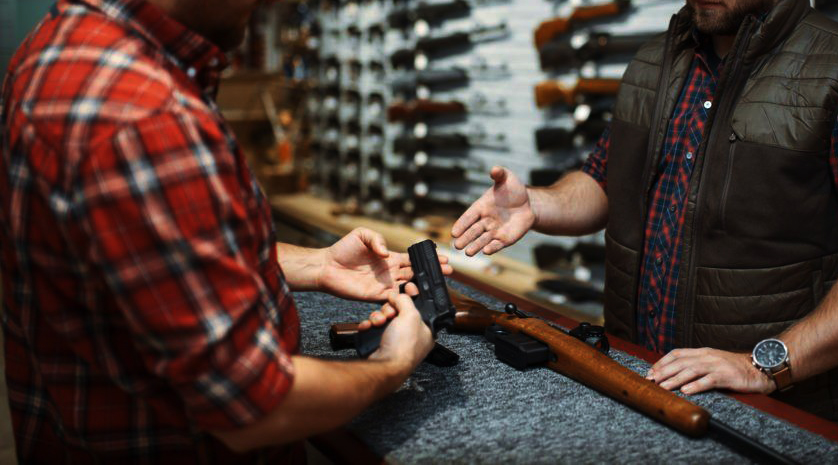
Owning a firearm is a significant responsibility, and for first-time gun owners, it can feel a bit overwhelming. Whether you’re purchasing a gun for self-defense, sport, or hunting, understanding the basics is crucial. This guide will walk you through the essentials of responsible gun ownership, from understanding local laws to safe storage and training resources.
Understanding Local Laws
Before purchasing a firearm, it’s vital to familiarize yourself with local, state, and federal gun laws. Regulations vary depending on where you live, and ignorance of the law is rarely an acceptable excuse.
Here are a few key steps to get started:
- Research Permits and Licenses: Most states require a background check to purchase firearms, and some require specific permits or licenses to own or carry a gun. You can typically find this information on your state government’s website.
- Understand Carry Laws: States have widely different laws regarding concealed carry (CCW) and open carry. Some states allow permitless carry, while others require extensive training and licensing.
- Know Restricted Areas: Many states prohibit firearms in locations like government buildings, schools, and private businesses with signage indicating “No Firearms Allowed.”
Taking the time to understand these regulations can help first-time gun owners avoid legal trouble and develop a responsible mindset around gun ownership.
Gun Safety Basics
When it comes to firearms, safety is everything. Here are the four universal firearm safety rules every gun owner must follow, no exceptions:
- Always treat every firearm as if it is loaded. Even if you’re sure it’s unloaded, double-check before handling it.
- Never point the muzzle at anything you’re not willing to destroy. Keep the gun pointed in a safe direction at all times.
- Finger off the trigger until you’re ready to shoot. This prevents accidental discharges, which are a leading cause of gun-related injuries.
- Be sure of your target and what’s beyond it. Bullets can travel far and through objects, so it’s essential to know what lies beyond your target.
Teaching yourself and others these fundamentals is the first step toward safe firearm handling. Please share them with anyone who will also have access to your firearm.
Choosing Your First Firearm
Not all firearms are created equal, and selecting your first gun can seem daunting with the many options available. Here are some tips to help you make an informed choice:
- Purpose: Ask yourself why you’re buying the gun. Is it for home defense, concealed carry, target shooting, or hunting? Different firearms suit different needs.
- Size and Weight: Choose a firearm that feels comfortable in your hands and suits your strength and stature. Handguns, for example, come in various sizes suited for different grip strengths.
- Test Before You Buy: Visit a local gun range that offers rentals to test different models. This will help you understand how different firearms handle and recoil.
- Consider Online Gun Auctions: If you’re looking for variety and potentially better deals, online gun auctions can offer access to firearms that may not be available in your local store. Be sure to confirm all sales are completed legally, adhering to your local laws and guidelines.
Selecting the right firearm is a personal decision, and it’s worth consulting with experienced gun owners or professionals to find the best match for your needs.
Proper Storage Techniques
Safe storage is one of the most critical aspects of responsible gun ownership. Improperly stored firearms are a leading cause of unintentional shootings and can easily fall into the hands of unauthorized individuals, such as children or intruders.
Here are some best practices for firearm storage:
- Invest in a Gun Safe: High-quality safes protect your firearms from theft, natural disasters, and unauthorized access.
- Secure Gun Locks: Gun locks are an affordable and effective way to ensure a firearm cannot be fired even if it’s accessed.
- Separate Ammunition: Store ammunition in a separate, locked location to add an extra layer of safety.
- Follow State Laws: Some states have specific storage requirements that gun owners must follow, particularly if children reside in the home.
Ensuring your firearm is securely stored is an investment in both safety and peace of mind.
Maintenance and Cleaning
Regular maintenance ensures that your firearm is safe, reliable, and functioning as intended. Here’s a simple step-by-step guide to cleaning your gun:
- Unload your firearm entirely. Double-check that there is no ammunition in the chamber or magazine.
- Disassemble according to the manual. Every firearm comes with factory instructions on how to safely disassemble it. Follow these guidelines precisely.
- Clean the barrel and action. Using a cleaning kit, remove carbon buildup and debris that can affect performance.
- Lubricate moving parts. Apply a small amount of gun oil to keep components functioning smoothly.
- Reassemble and inspect. Put your firearm back together and perform a function check to ensure everything is working properly.
A clean firearm is a safe firearm. Make regular cleaning a habit, especially after using your gun.
Training Resources
Handling a firearm is a skill that requires proper training. Fortunately, there are numerous resources available to help first-time gun owners gain confidence and competence:
- Local Gun Ranges: Many ranges offer beginner courses that cover firearm safety, shooting basics, and legal considerations.
- NRA Training Courses: The National Rifle Association provides a wide array of online and in-person training programs for gun owners of all skill levels.
- Certifications: Seek out certified instructors to learn advanced techniques or obtain a concealed carry permit.
- Online Resources: Many reputable websites and video tutorials offer beginner-friendly information on firearm handling, maintenance, and laws.
Ongoing education is critical. Even experienced gun owners regularly seek training to refresh their skills and stay updated on evolving laws and techniques.
Conclusion
Becoming a first-time gun owner is an empowering step, but it also comes with immense responsibility. By understanding local laws, practicing safety basics, choosing the right firearm, and investing in proper storage and training, you can ensure a safe and rewarding experience. Stay safe, and happy shooting!
