


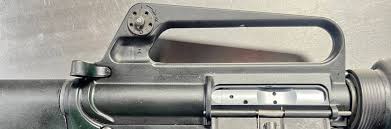
Want tighter groups, smoother cycling, or more reliable range time? If you’re looking to elevate your shooting setup, swapping the upper assembly is one of the most effective ways to do it. Whether you’re tuning for competition, personal defense, or weekend fun at the range, making the right choice involves more than picking what looks good. From barrel specs to gas systems, every detail plays a role. Here’s how to confidently choose an upper that enhances both performance and accuracy.
Barrel Specs Shape Overall Results
AR15 Complete Uppers often come preassembled with a barrel but not all barrels are created equal. The length, profile, twist rate, and material determine everything from shot consistency to heat management. Short barrels offer maneuverability but may sacrifice velocity. Heavier profiles add stability but increase weight. A 1:7 twist rate suits heavier rounds, while a 1:9 twist rate works better for lighter loads. If precision is your priority, consider a stainless-steel option paired with match-grade tolerances. The barrel’s design ultimately sets the tone for how the rest of your setup performs.
Gas System Length Affects Recoil and Reliability
The gas system controls how your firearm cycles, and selecting the right length ensures smooth, consistent performance. Shorter systems, such as carbine length, cycle faster but may create more felt recoil. Mid-length and rifle-length setups, by contrast, offer a softer feel and better control during follow-up shots. For competition or high-volume shooting, a longer gas system can help reduce wear and improve shot recovery. Proper pairing of your barrel and gas system helps avoid feeding issues, gas blowback, or premature part fatigue.
Bolt Carrier Groups and Charging Handles Matter More Than You Think
Often overlooked, the bolt carrier group (BCG) plays a crucial role in ensuring reliability and minimizing long-term wear. Look for materials like 8620 steel with proper staking, and consider coatings like nickel boron or nitride for smoother operation and easier cleaning. Likewise, an upgraded charging handle with an extended latch enhances handling, particularly when optics are installed. While these parts may not initially grab attention, they’re essential for a build that runs consistently and cycles cleanly with every shot.
Optics Mounting and Handguard Compatibility Should Be Considered
Some upper assemblies limit the placement and mounting of accessories or sights, depending on the handguard and rail design. Free-floating handguards offer improved accuracy and additional space for attachments, such as lasers or bipods. If you plan to use a red dot or magnified optic, consider the top rail length and alignment.
Quick-detach options and modular slots give you flexibility, especially when transitioning between field use and range testing. Confirm that your optic and mount will sit securely without needing extra hardware or modification.
Fit and Finish Reflect Quality and Performance
While appearances aren’t everything, machining quality, alignment, and finish significantly impact how well an upper performs under real-world conditions. Look for a smooth anodized or cerakote finish, tight tolerances between components, and clean assembly. Reputable brands typically provide specs on torque, testing, and parts inspection.
Whether it’s for casual range use or serious application, a well-machined assembly ensures durability and peak performance over time. Trusted names in AR-15 complete uppers often deliver better accuracy and longevity due to their attention to detail.
Choosing the right upper assembly involves more than aesthetics. It’s a calculated decision that impacts function, feel, and performance. From the barrel’s twist rate to the finish on the bolt carrier, each part contributes to how your firearm behaves and how confident you feel behind it. By focusing on compatibility, quality, and the intended use of your build, you’ll be rewarded with better precision, reliability, and shooting enjoyment from the first round to the last.
