


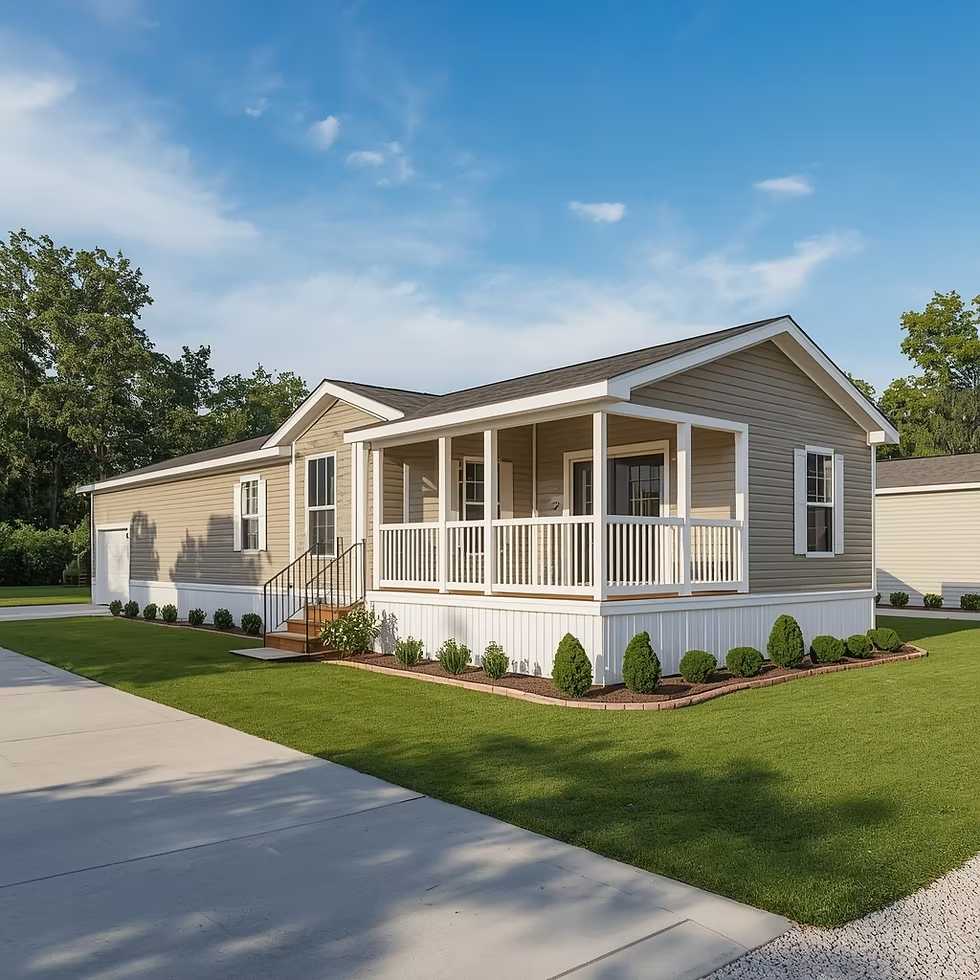
Manufactured homes provide an affordable and flexible housing option for many people, but when it comes to comfort and energy efficiency, they can sometimes leave residents wanting more. Small changes and strategic upgrades can have a dramatic impact, bringing your manufactured home closer to the comfort and efficiency of newer site-built houses. With thoughtful improvements, you can reduce costs and create a more enjoyable living environment. For more advice and solutions tailored to manufactured homeowners, check out https://www.mobilehomeninja.com/. Energy efficiency is not only about saving money; it also involves optimizing resource use so you can stay comfortable year-round. The best part is that most of the measures you can adopt will pay off in both comfort and your monthly utility bills. Explore proven options to boost your home’s energy performance and comfort. Making the right upgrades to your manufactured home begins with understanding your current setup and identifying the most critical areas for improvement. From basic air sealing to advanced HVAC solutions, every improvement adds comfort and value. To access a comprehensive guide based on real-world solutions for manufactured home living, visit www.mobilehomeninja.com.
Enhance Insulation and Seal Air Leaks
Many manufactured homes built before current energy standards may lack adequate insulation or have air leaks that allow conditioned air to escape and unwanted outside air to get in. Boosting insulation in your walls, attic, and underflooring can pay off year-round, helping keep your home warmer in winter and cooler in summer. Sealing air leaks around windows, doors, vents, and ductwork with weather stripping and caulk significantly reduces drafts and wasted energy. According to the U.S. Department of Energy, targeting insulation and air-leakage areas can have the greatest impact on comfort and utility bills in manufactured homes.
Consistent maintenance remains a cornerstone of protecting your property investment while ensuring long-term energy savings. Beyond the basic tasks of changing filters or cleaning vents, having a professional technician evaluate the intricate mechanical components of your furnace and cooling unit can prevent minor issues from becoming expensive emergencies. Homeowners who prioritize these regular checkups often find more value in their equipment through improved performance and extended operational lifespans. Proper system calibration ensures that every room stays at a steady temperature without overworking the motor. Taking these proactive steps creates a reliable environment that stays warm in the winter and cool during the peak of summer, keeping your utility costs manageable throughout the year.
Upgrade Windows and Doors
Single-pane windows and hollow-core doors struggle to keep heat and cold outside. Installing ENERGY STAR-certified double-pane windows and solid, insulated exterior doors strengthens your home’s thermal barrier. These improvements also help reduce noise, ensuring a peaceful indoor atmosphere. By replacing older windows and doors, you reduce drafts and temperature swings, which adds significantly to your overall well-being and cost savings.
Install Energy-Efficient HVAC Systems
Heating and air conditioning are among the largest energy users in manufactured homes. Replacing old furnaces or air conditioners with a modern, high-efficiency HVAC system makes a notable difference. Heat pumps, in particular, perform both heating and cooling functions with impressive efficiency, even in colder climates. Some new models are specifically designed for the unique ductwork layouts of manufactured homes. Ensuring that a cooling unit is sized correctly for your space can prevent short-cycling and reduce excessive wear on internal parts. Homeowners seeking local guidance or specialized support for their cooling systems can [Visit our Decatur location](https://urlgeni.us/google_places/Ac-Repair-Decatur-IL-Hvac) to consult with experienced technicians who understand regional climate demands. Proper installation and sizing play a critical role in how well heating and cooling units operate over time. Consulting an experienced [hvac](https://www.bradhambrothers.com/) professional helps ensure that equipment is properly integrated into the home’s layout, maintaining balanced air distribution and preventing unnecessary wear on internal components. Selecting equipment built specifically for unique ductwork layouts helps ensure balanced airflow across every room. Consulting an experienced specialist such as [E. Smith Heating & Air Conditioning](https://www.zoominfo.com/c/e-smith-heating–air-conditioning/37031538) can help determine the right system size and configuration for your home, supporting consistent indoor comfort and better long-term efficiency.
Use Energy-Efficient Appliances and Lighting
Every appliance choice matters. Inefficient appliances use more electricity, driving up monthly utility bills. Replacing old refrigerators, washers, and dryers with ENERGY STAR-rated options can slash your energy use without sacrificing performance. Likewise, switching to LED bulbs throughout your home reduces your lighting bills and extends bulb lifespan, making maintenance easier and cheaper for years to come. Smart thermostats and power strips can help you manage your home’s energy use more effectively.
Incorporate Renewable Energy Sources
Solar panels are increasingly common on manufactured homes, providing a clean, renewable power supply that can offset or even eliminate your electricity bill. While solar installations do require an upfront investment, many regions offer rebates, tax credits, and financing options to make solar more accessible. Over time, solar panels improve your home’s sustainability and market value.
Maintain Your Home Regularly
Routine maintenance is essential to keeping your home energy-efficient. Regularly replacing HVAC filters, checking insulation for damage, and inspecting for leaks help all systems run at their best. Clean air vents and ducts, and maintain caulking and weatherstripping to prevent new sources of energy loss. These actions not only prolong the life of your equipment but also help keep energy bills low year-round. Addressing heating issues early helps prevent sudden breakdowns during colder months when systems operate under heavier demand. Timely attention to minor mechanical warning signs ensures that components run efficiently without putting excessive strain on the system. When heating units experience uneven warming or unusual noises, scheduling prompt [furnace repair](https://www.facebook.com/BerkeleyHeatingandAir/) can help restore reliable operation and keep monthly energy costs under control.
Seek Professional Energy Audits
When you want an expert opinion, schedule a professional home energy audit. An auditor will assess your home, identify areas causing excessive energy loss, and recommend tailored improvements. The process provides actionable recommendations that can guide your efforts toward the best returns in comfort and energy savings. Applying these strategies transforms your manufactured home into a sanctuary of comfort, efficiency, and savings. With proactive upgrades and regular care, your home can be as welcoming and cost-effective as any newly built house.
Conclusion
Improving your manufactured home’s energy efficiency involves smart upgrades, regular maintenance, and strategic investments. Enhancing insulation, sealing air leaks, and upgrading windows and doors reduces drafts and keeps temperatures stable year-round. Modern HVAC systems, energy-efficient appliances, and LED lighting lower utility costs while improving comfort. Exploring renewable energy sources, such as solar panels, can lead to long-term savings and sustainability. Routine upkeep and professional energy audits ensure these improvements deliver lasting results. By taking a proactive approach, you not only reduce expenses but also create a more comfortable, quiet, and environmentally friendly living space, turning your manufactured home into a highly efficient and enjoyable home for years to come.
