


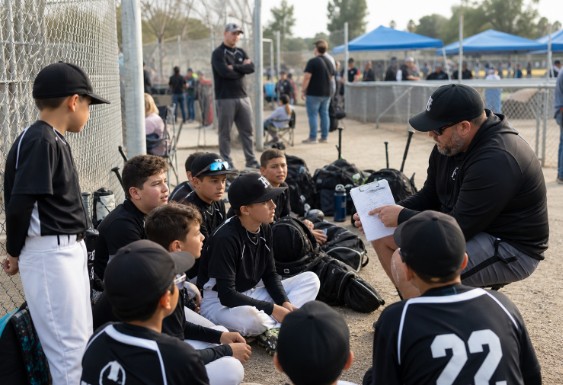
Tournament season brings early mornings, unfamiliar fields, tight schedules, and plenty of excitement. It can also give young athletes a chance to build friendships and confidence that last far beyond one weekend. Small shared traditions, including exchanging custom trading pins, can help players feel connected to their own team and start respectful conversations with athletes from other programs.
For teams considering a keepsake, Lone Star Challenge Coins is a Texas-based maker with more than a decade of experience designing baseball and softball trading pins for organizations across the United States. Its custom trading pin options cover team-focused details such as colors, mascots, shapes, and collectible add-ons, making it a useful reference for coaches who want a shared memento that reflects team pride rather than individual status.
Tournament Season Is About More Than Winning
Players may remember a championship, but they often remember the teammate who encouraged them after a mistake, the bus ride playlist, or the group photo after the final game. When adults make room for connection alongside competition, youth sports can strengthen communication, confidence, and belonging. Programs that prioritize welcoming sports programs help more young people see athletics as a positive place to participate and grow.
Why Team Bonds Matter During Tournaments
Tournaments place athletes in new settings with unfamiliar opponents and little time to reset between games. Trust helps players communicate under pressure, recover after an error, and manage pregame nerves. A connected team is also more likely to celebrate hustle, smart decisions, and kindness instead of focusing only on statistics.
After a difficult loss, for example, a team with a strong culture does not look for one player to blame. Players gather their equipment, offer encouragement, and return to their effort goals. That response turns disappointment into a learning moment and protects the relationships that make sports meaningful.
Set Team Goals Before the First Game
Before tournament weekend, coaches can lead a five-minute goal-setting conversation:
- Ask players what they want to improve as a group.
- Choose two or three goals centered on effort, teamwork, and attitude.
- Write the goals where everyone can see them.
- Review them briefly after each game.
- Celebrate progress, not just victories.
Useful goals include communicating on defense, hustling between plays, encouraging teammates after mistakes, and showing respect to officials. Keep the language simple enough that every player can repeat it.
Create Simple Team Traditions
Repeatable traditions make players feel that they belong to something shared. They do not need to cost much or take much time. The best rituals are optional, age-appropriate, and easy for every athlete to join.
- Use a short team cheer before warmups.
- Play a family-friendly playlist during travel or setup time.
- Name a “teammate of the day” for effort or encouragement.
- Ask for one quick reflection after every game.
- Take a group photo at the end of the weekend.
- Create a simple scrapbook, poster, or shared memory board.
Use Team Mementos to Support Connection
A small keepsake can give athletes a lasting reminder of a tournament and an easy way to talk with other players. Whether it is a pin, team card, patch, or signed photo, choose a design that represents shared colors, a mascot, the tournament location, or a team goal. Give the same item to every player when possible so it feels like a symbol of membership.
Adults should also make exchanges in low-pressure situations. Some players love collecting and trading, while others may prefer to watch, keep their items, or participate in a smaller group. Respecting those preferences is part of building an inclusive team environment.
Help Players Connect With Other Teams
Respectful interaction is one of the best parts of tournament play. Teach athletes to introduce themselves, compliment a good play, and ask another team about its traditions. A simple “Nice game” or “I like your team’s colors” can make a new environment feel friendlier.
Sportsmanship matters most during close games, losses, and disagreements. Coaches and parents should supervise exchanges or conversations, discourage negative comments, and model calm behavior toward opponents and officials.
Give Every Player a Meaningful Role
Team culture improves when athletes see that contributions extend beyond scoring. Players can rotate through roles such as warmup leader, equipment helper, positive teammate captain, scorebook assistant, photo keeper, or opponent welcome helper. These roles should support the team, not replace fair opportunities to participate in the sport itself.
Creating room for responsibility can reinforce teamwork, leadership, fairness, and relationship-building. Coaches can make those values real by recognizing preparation, listening, and helpful communication as often as athletic performance.
Keep Parents and Coaches on the Same Page
A short communication plan prevents avoidable stress. Share the schedule early, explain arrival times and transportation expectations, identify one channel for updates, and clarify how families should raise concerns. Include reminders about meals, rest, sideline behavior, and who is responsible for equipment.
Parents can strengthen unity by praising effort, preparation, and kindness. Comparing teammates, arguing with officials, or criticizing athletes within earshot of the team sends the opposite message. Coaches should offer feedback that is calm, clear, and appropriate for the players’ ages.
Plan for Rest, Food, and Downtime
Tired athletes can become frustrated more easily and may struggle to communicate well. Build in water breaks, balanced meals, shade, quiet time, and reasonable recovery between games. Non-sport downtime, such as a walk, board game, craft, or relaxed team meal, lets players connect without the pressure of competition.
Use a Quick Post-Game Reflection
Keep the post-game conversation focused by asking three questions:
- What did our team do well?
- Who showed strong effort or support?
- What can we try next time?
This approach emphasizes learning and gives quieter players a chance to contribute without turning the discussion into a long meeting.
Common Questions From Coaches and Parents
How can a team build chemistry quickly?
Use shared goals, small-group activities, and short rituals. Consistency is more valuable than an elaborate event.
Should every player receive the same team memento?
Usually, yes. Equal keepsakes reduce comparison and reinforce that every athlete belongs.
What is the best way to handle a tough loss?
Give players time to cool down, then focus on effort, lessons, and support for teammates. One result should not define the whole team.
A Simple Tournament-Day Checklist
- Confirm meeting times and the game schedule.
- Pack water, food, sunscreen, and backup clothing.
- Review behavior and teamwork goals.
- Bring approved mementos or exchange items.
- Plan one short group activity and time to rest.
- Record a shared memory and recognize sportsmanship.
Build a Weekend Players Will Remember
Strong tournament teams are not built through drills alone. They grow through trust, shared routines, fair treatment, and positive adult examples. When coaches, families, and players value connection as much as competition, a tournament becomes more than a series of games. It becomes a shared experience that young athletes can carry with them long after the season ends.
