


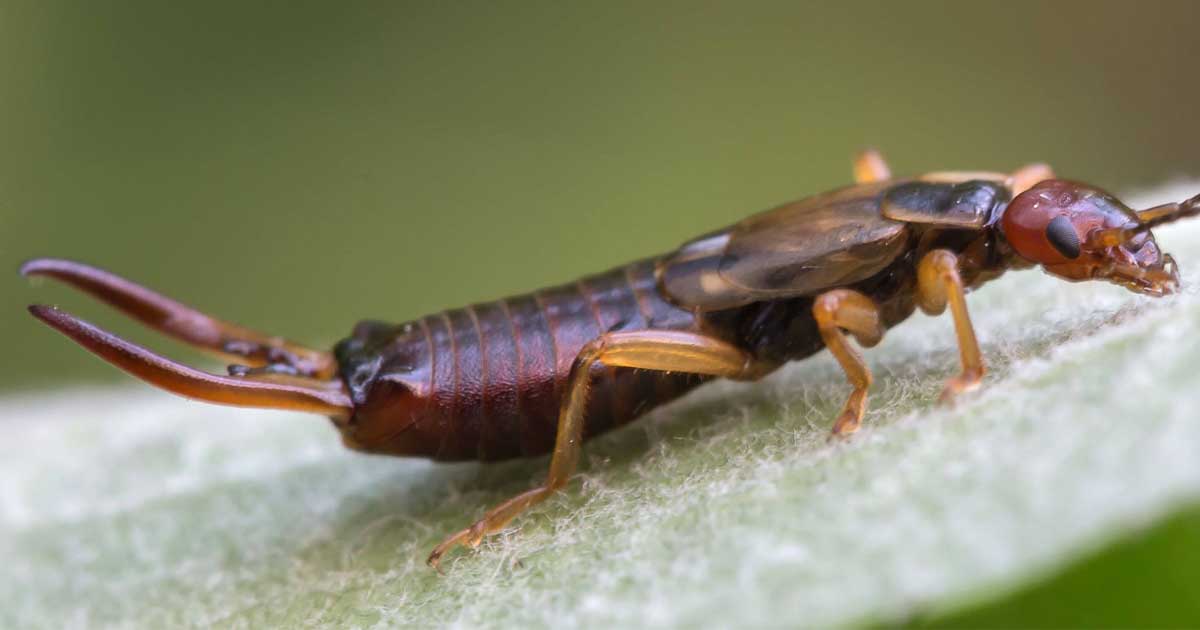
Earwigs are small insects that often cause concern due to their menacing pincers. While their appearance might seem alarming, these pests are generally harmless to humans. However, they can become a nuisance when they invade homes and gardens. Learning how to identify and eliminate these pests safely is essential for maintaining a comfortable living environment.
Recognizing These Nuisances in Your Space
Earwigs are typically about 1/4 to 1 inch long and have a dark brown or reddish-brown body, making it easier to identify them when learning how to get rid of earwigs. Their most distinctive feature is their pincers, or forceps, located at the rear of their abdomen. These pincers are used for defense and capturing prey, not for harming humans.
You might encounter these tiny creatures in damp or dark areas such as basements, bathrooms, or under mulch in gardens. They are nocturnal insects that prefer moist environments. This makes them particularly active after rain or in homes with high humidity levels.
Understanding the Role of Earwigs in Nature
While earwigs can be unwanted houseguests, they play a beneficial role in nature. They feed on decaying organic material and smaller pests like aphids, contributing to a healthy ecosystem. However, their presence in large numbers can damage plants, flowers, and vegetables, making them less welcome in gardens.
Preventing Earwig Infestations
Preventing an infestation is one of the most effective ways to deal with earwigs. Simple adjustments around the home can help reduce their presence:
- Eliminate Moisture: Fix leaky faucets, pipes, and drains. Ensure proper ventilation in bathrooms and basements to reduce humidity.
- Seal Entry Points: Inspect your home for cracks, gaps, or openings in doors and windows. Use caulking or weatherstripping to seal these areas.
- Clear Debris: Remove leaf piles, mulch, and other organic debris from around your home’s foundation. These materials can create a perfect hiding spot for earwigs.
- Reduce Outdoor Lighting: These tiny creatures are attracted to light. Switching off unnecessary outdoor lighting can discourage them from gathering near your home.
Safe Methods to Eliminate Them
If you already have an earwig problem, there are several safe and effective ways to manage them:
- Traps: Set simple traps using rolled-up newspapers or damp cardboard. Place them in areas where earwigs are active, and then dispose of them in the morning.
- Diatomaceous Earth: Sprinkle food-grade diatomaceous earth around areas where such pests are found. This natural powder is abrasive to their exoskeleton and helps control their numbers.
- Soap and Water Spray: Mix a solution of dish soap and water and spray it in affected areas. This can kill earwigs on contact and is safe to use around the home.
- Vacuuming: Use a vacuum cleaner to remove such tiny nuisances from indoor spaces quickly and without mess.
These methods are effective for mild infestations, but persistent or severe problems may require additional steps.
Professional Pest Control for Long-Term Relief
Professional pest control services offer targeted solutions for larger infestations or ongoing problems. They can identify the source of the issue, treat affected areas, and provide long-term strategies to prevent recurrence. These experts use safe and environmentally friendly techniques to resolve the problem without posing risks to your household or pets.
Knowing how to get rid of earwigs starts with understanding their behavior and preferences. By identifying their hiding spots, eliminating moisture, and sealing entry points, homeowners can significantly reduce the chances of an infestation. Using safe and practical elimination methods ensures that these pests are dealt with effectively, whether you opt for DIY solutions or professional help. With persistence and vigilance, you can keep these pests from making themselves at home.
