


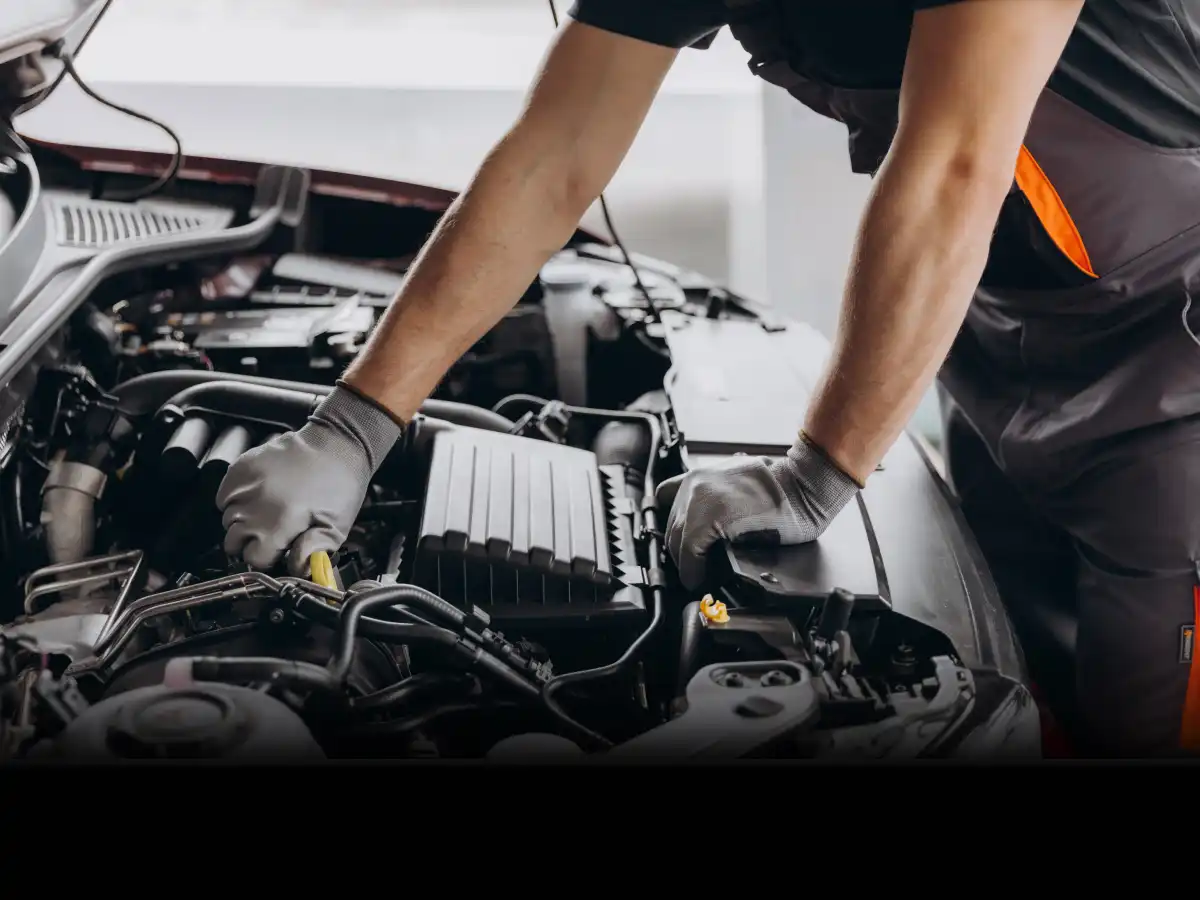
Your car is more than just a means of transportation—it’s your trusted companion on daily commutes, long road trips, and everything in between. To keep your vehicle running smoothly and safely, regular maintenance is key. A well-maintained car not only delivers consistent performance but also extends its longevity, reduces repair costs, and enhances safety on the road.
Chapter 1: Understanding the Basics
The Core Components of Your Car
Your car consists of numerous parts, each playing a vital role in its overall performance. Here are the key systems that demand regular attention:
- Engine: Often referred to as the heart of your car, the engine converts fuel into energy to power your vehicle.
- Brakes: A well-maintained brake system ensures your safety by allowing you to slow down or stop effectively when needed.
- Tires: These are your direct connection to the road. Proper tire pressure, tread depth, and alignment are crucial for smooth handling and safety.
- Battery: Providing electrical energy to start your car and power accessories, the battery needs to stay charged and free of corrosion.
- Fluids (Coolant, Transmission Fluid, Brake Fluid): These ensure various systems in your car operate smoothly and don’t overheat.
Why Regular Checks Matter
Each part contributes to the overall functionality and performance of your car. Neglecting maintenance can result in higher repair costs and even compromise safety. Understanding these basics will help you identify potential issues before they escalate.
Chapter 2: DIY Maintenance Tips
Simple Tasks You Can Do at Home
Maintaining your car doesn’t always require a trip to the mechanic. Here are a few straightforward tasks you can handle yourself to save money and keep your vehicle road-ready.
1. Check Tire Pressure
Improper tire pressure can affect fuel efficiency and make driving unsafe. Invest in a tire pressure gauge to check levels monthly and inflate or deflate as needed. The optimal pressure can usually be found in your car’s manual or on a sticker inside the driver’s door frame.
2. Change the Oil
An oil change, such as those offered in Orem, Utah, is one of the most important maintenance tasks. Fresh oil keeps your engine lubricated and prevents excess wear. While specifics vary by car, most vehicles need an oil change every 3,000 to 7,500 miles. Check your manual for guidance and make sure to safely dispose of used oil.
3. Replace Air Filters
A clean air filter improves fuel efficiency and ensures a steady air supply to the engine. Replacing the air filter is a simple process that typically doesn’t require special tools.
The Benefits of DIY Maintenance
Taking care of these small tasks yourself can save you hundreds of dollars a year. Plus, it gives you a better understanding of your vehicle, making you a more informed car owner.
Chapter 3: Seasonal Maintenance Checklist
Preparing for Different Seasons
Each season brings unique driving conditions, and your car’s needs vary throughout the year. Here’s what you should focus on for each season.
Winter
- Check and replace windshield wipers for better visibility in snow or rain.
- Test the battery, as cold weather affects its performance.
- Switch to winter tires for improved traction on icy roads.
Summer
- Inspect the cooling system and top off coolant levels to prevent overheating.
- Make sure your air conditioning system is functional for a comfortable drive.
- Monitor tire pressure since heat causes air to expand, impacting performance.
Why Seasonal Maintenance Matters
Proactive seasonal care ensures your car can tackle extreme weather conditions while preventing issues that could lead to costly repairs or dangerous breakdowns.
Chapter 4: Signs Your Car Needs Professional Attention
Warning Signs You Shouldn’t Ignore
Even with regular DIY maintenance, some car issues require the expertise of a professional mechanic. Here are a few warning signs to watch for:
- Unusual Noises: Grinding, squealing, or knocking sounds can indicate problems with the brakes, engine, or suspension.
- Dashboard Warning Lights: Lights like the check engine indicator shouldn’t be ignored. They can signal anything from a loose gas cap to a serious engine problem.
- Vibrations or Pulling: If your car vibrates excessively or pulls to one side while driving, it may require an alignment or other repairs.
Finding a Reliable Mechanic
Choose a mechanic with good reviews and certifications from reputable organizations like the ASE (Automotive Service Excellence). Regular professional check-ups ensure that any underlying issues are addressed before they become major problems.
Chapter 5: The Future of Car Maintenance
Emerging Technologies in Automotive Care
Technology is reshaping how we maintain and interact with our vehicles. Some key innovations include:
- Telematics Systems: These systems provide real-time diagnostics and alert you when services are needed.
- Self-Diagnosing Cars: Many newer cars can identify and notify you of issues on their own, improving maintenance efficiency.
- Electric and Self-Driving Cars: With fewer moving parts, electric vehicles generally require less maintenance than traditional cars. However, they come with unique needs, like battery health monitoring and software updates.
Adapting to the Future
Staying informed about these advancements will help you prepare for a new era of car ownership. Whether you’re considering an electric vehicle or exploring tech tools for your current car, knowledge is power.
Conclusion
Taking care of your car doesn’t have to feel overwhelming. By understanding its key components, mastering basic DIY maintenance, and preparing for seasonal changes, you can ensure your vehicle performs at its best for years to come. Don’t ignore warning signs that require professional attention, and stay updated on new technologies that make car ownership simpler.
