


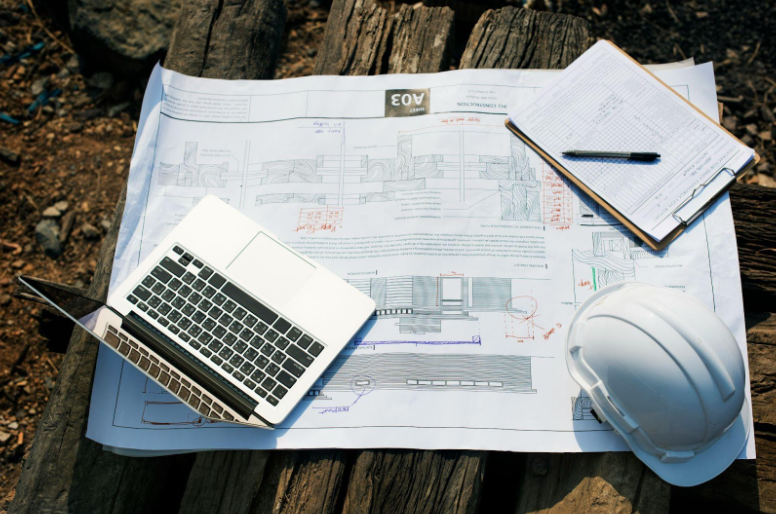
- Modern house plans focus on clean lines, open spaces, and smart technology to enhance efficiency, functionality, and sustainability.
- Smart home features like automation, energy-efficient materials, and integrated security improve comfort and reduce long-term costs.
- Effective space planning includes open layouts, multifunctional rooms, built-in storage, and seamless indoor-outdoor connections for maximum usability.
- Avoiding common mistakes, such as prioritizing aesthetics over practicality or neglecting future needs, ensures a home that remains functional and adaptable.
Modern house plans focus on clean lines, open spaces, and efficiency. More than just aesthetics, smart home design prioritizes functionality, sustainability, and adaptability. With advancements in technology and changing lifestyles, homes today must be energy-efficient, flexible, and compliant with regulations.
This guide covers the essentials of modern house plans, from design principles to optimizing space and meeting legal requirements. A well-planned home isn’t just stylish—it’s built for comfort, efficiency, and the future.
Defining Modern House Plans
Modern home design is all about simplicity, practicality, and innovation. Open floor plans replace traditional, compartmentalized layouts, creating a seamless flow between living spaces. Large windows maximize natural light, while minimalist aesthetics enhance spaciousness.
Functionality is key. Innovative layouts improve movement and efficiency, while materials like energy-efficient glass and steel enhance durability. Many homes now incorporate solar panels, rainwater harvesting, and automation for lighting, climate, and security.
Despite the modern label, styles vary widely, from minimalist to industrial to Scandinavian-inspired. What unites them is a focus on efficiency, sustainability, and a strong connection to the surrounding environment.
Key Factors in Choosing a House Plan
A house plan should accommodate daily routines, future needs, and long-term efficiency. Some families may need extra rooms or flexible spaces, while others prioritize open layouts and outdoor integration.
Energy efficiency is crucial. Passive solar design, insulation, and smart home technology reduce costs and environmental impact. Equally important is compliance with building regulations. In Australia, single-story house plans that meet NCC requirements ensure homes follow national safety, accessibility, and sustainability standards. Ignoring these rules can lead to costly changes later.
The home’s orientation and surroundings also matter. A well-planned house maximizes natural light, minimizes energy waste, and blends indoor and outdoor living. Thoughtful design ensures a space that’s not just modern but also practical and built to last.
The Role of Technology in Modern Home Design
Technology is transforming modern homes, making them more efficient, secure, and convenient. Smart home systems allow homeowners to control lighting, climate, and security remotely, reducing energy waste and enhancing comfort. Automated blinds, voice-controlled assistants, and energy-monitoring systems help optimize daily living.
Security is another major benefit. Smart locks, surveillance cameras, and alarm systems provide real-time monitoring and remote access, offering greater peace of mind. Energy-saving technology, such as smart thermostats and solar battery storage, helps reduce utility costs while promoting sustainability.
Integrating these systems from the start ensures seamless functionality. Planning for smart wiring, IoT devices, and energy-efficient appliances during construction prevents costly retrofits later. A well-designed modern home doesn’t just look good—it works smarter to improve everyday life.
Maximizing Space and Functionality
Efficient space planning is essential in modern house design. Open-concept layouts create a sense of spaciousness and improve the distribution of natural light. Multifunctional spaces, such as home offices that double as guest rooms, offer flexibility without adding square footage.
Built-in storage solutions keep interiors clutter-free, maximizing usability without compromising aesthetics. Floor-to-ceiling shelves, hidden cabinets, and under-stair storage help make the most of every inch.
Outdoor areas are also an extension of living space. Covered patios, rooftop gardens, and sliding glass doors that connect interiors to nature enhance livability. Whether the home is large or compact, thoughtful design ensures every space serves a purpose while maintaining a modern, open feel.
Common Mistakes to Avoid When Selecting a House Plan
Choosing a house plan is a major decision, and overlooking key details can lead to costly mistakes. One of the most common errors is prioritizing aesthetics over functionality. A design may look impressive on paper, but if it doesn’t fit your lifestyle or daily needs, it won’t be practical in the long run.
Another mistake is ignoring future needs. A home should adapt to changing circumstances, whether that means adding extra bedrooms, workspaces, or accessible features for aging in place. Failing to consider these factors can result in expensive renovations later.
Many homeowners also overlook site-specific challenges. Factors like natural light, wind direction, and terrain impact a home’s comfort and energy efficiency. Designing with the environment in mind ensures a home that stays comfortable year-round while reducing energy costs.
Finally, skipping professional guidance can lead to design flaws and non-compliance with building regulations. Working with an architect or designer ensures the home meets all structural and legal requirements, preventing unexpected issues during construction.
Conclusion
A well-designed modern home balances style, efficiency, and practicality. Thoughtful planning ensures a space that not only meets today’s needs but also adapts for the future. By considering functionality, sustainability, and smart design choices, homeowners can create a comfortable, energy-efficient living environment that enhances their daily lives.
A modern house plan is more than just a blueprint—it’s the foundation for a home built to last. Whether you’re designing from scratch or refining an existing plan, investing time in smart planning will lead to a home that’s both beautiful and functional.
