


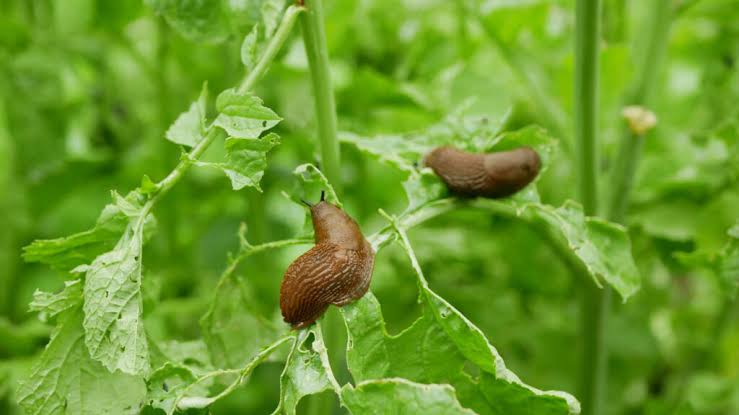
A garden is often where pest problems start, long before they ever make their way indoors. Whether you have a small courtyard in Southend-on-Sea or a larger garden out towards Brentwood or Billericay, understanding which pests are common in Essex gardens, and when they tend to appear, makes it far easier to stay ahead of them.
Good pest control Essex gardens benefit from usually starts with identifying the problem correctly, since the right approach for wasps is very different to the right approach for moles or ants.
Wasps
Wasp nests are one of the most common garden pest problems across Essex, particularly through the summer months. Nests are often built in sheds, under eaves, in wall cavities or even underground, and can grow to hold thousands of wasps by late summer. A small nest found early in the season is usually much easier to deal with than a fully established one later in the year.
Wasp nests should never be approached or disturbed without proper training, since a disturbed nest can lead to multiple stings in a short space of time. Professional wasp control removes the nest safely, without putting you, your family or your neighbours at risk.
Ants
Ants are a familiar sight in most Essex gardens, particularly around patios, decking and paved areas where they often build nests beneath slabs. While a few ants in the garden are rarely a problem on their own, a nest close to the house can quickly lead to trails making their way indoors in search of food.
Small mounds of fine soil near patio edges or block paving are usually the first sign of a nest nearby. Dealing with ant removal at this stage is far simpler than waiting until the colony has grown or moved closer to the house.
Moles
Moles can cause real frustration for anyone who takes pride in their lawn or vegetable patch. Molehills, small mounds of loose soil pushed up from underground tunnels, are usually the first sign of activity, and a single mole can create a surprising number of molehills across a lawn in a short space of time.
Moles are notoriously difficult to deal with using DIY methods, since they are sensitive to vibration and can simply tunnel around many home remedies. Professional mole pest control uses proven methods to deal with the problem properly, without damaging the rest of the garden in the process.
Squirrels
Grey squirrels are a common sight in Essex gardens and are generally harmless to watch, but they can cause genuine damage when they start digging up bulbs, stripping bark from trees, or finding their way into loft spaces through gaps in the roofline. Once inside a loft, squirrels can cause damage to insulation, timber and wiring.
If you notice squirrels regularly accessing your roof space, or signs of digging and bark damage in the garden, professional squirrel pest control can identify entry points and deal with the problem before it causes structural damage.
Rabbits
While less common in smaller urban gardens, rabbits can be a real problem for larger gardens and those closer to open countryside around Essex, particularly where vegetable patches or young plants are involved. Signs include neatly nibbled plants, small burrows, and droppings scattered across lawns or borders.
Fencing alone is not always enough to keep a determined rabbit population out, since they can dig underneath most standard garden fencing. Professional rabbit pest control looks at the wider picture, including where rabbits are entering the garden from, rather than just treating the visible damage.
Prevention in the Garden
Many garden pest problems can be reduced simply by keeping a garden tidy. Clearing fallen fruit, storing bird feed securely, sealing gaps under sheds and decking, and keeping compost heaps well maintained all help reduce the food and shelter available to common pests. The Royal Horticultural Society has published useful advice on preventing pest and disease problems in gardens, which is worth reading if you want to reduce reliance on chemical treatments where possible.
Spotting Problems Early
Just as with indoor pests, garden problems are almost always easier to deal with when caught early. A single wasp nest the size of a golf ball in May is a far simpler job than the same nest the size of a football by August. Checking sheds, garden buildings and roof edges every so often, particularly in spring, can help you spot the beginnings of a problem before it grows into something bigger.
Getting the Right Help
Not every garden pest needs professional treatment, but knowing when to call for help can save a lot of time and frustration. A wasp nest, an established mole run, or squirrels accessing a loft space are all situations where a trained technician will usually achieve a faster and safer result than DIY methods alone.
With over 30 years of experience dealing with garden and property pests across Essex, technicians trained to RSPH Level 2 standard, and membership of the National Pest Technicians Association, garden pest problems are treated with the same care and attention as any indoor infestation, whatever the size of the garden.
