


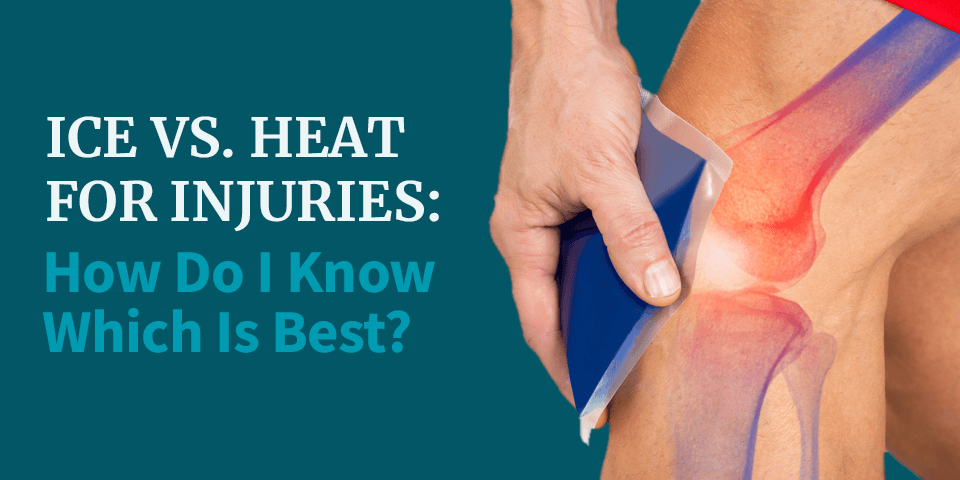
Athletes and fitness enthusiasts understand that injuries are unavoidable, from the unexpected twist to strained muscles. The most crucial question: ice or heat? Both therapies have a specific function in healing. Ice reduces swelling for acute injuries, while heat relaxes muscles for chronic pain.
Understanding when to apply each will avoid further injury. Sports physiotherapy in Edmonton provides professional advice on when to warm up or cool down an injury, facilitating proper rehabilitation. Knowing the appropriate therapy can differentiate between quick recovery and extended pain.
Understanding Ice and Heat Therapy
Recovery from injury relies on successful treatment techniques, and ice and heat therapy are necessary for controlling pain, decreasing inflammation, and healing. Yet, it is vital to select the appropriate treatment to avoid additional pain or complications.
Cold therapy (cryotherapy) applies ice packs or cold compresses to an injured area. It achieves its effects by causing blood vessels to constrict (vasoconstriction), which reduces swelling, numbs pain, and prevents tissue damage. Ice therapy is beneficial for acute injuries such as sprains, strains, and bruises because it reduces inflammation within 24–48 hours.
However, heat therapy (thermotherapy) induces relaxation and healing through enhanced blood flow to the injured area. It loosens tight muscles, relieves chronic pain, and provides oxygen and nutrients for quicker recovery. Moist heat, e.g., warm compresses, or dry heat, e.g., heating pads, may be applied for muscle tension, arthritis, and stiffness following injury.
However, abusing these therapies will aggravate the condition. Ice on chronic pain can lead to undue stiffness, and heat on new swelling can provoke more inflammation. Knowing how to use each therapy is the key to recovery.
When to Use Ice: Cooling Down the Pain
Ice therapy is most effective in the early phase of an injury, especially when swelling, inflammation, or sharp pain is present. It limits damage, reduces sensitivity, and offers short-term relief after physical trauma or overexertion.
Recommended for:
- Sprains, strains, and bruises: The use of ice decreases swelling, alleviates pain, and prevents additional tissue damage.
- Fractures: Although a fracture needs medical treatment, ice can be used to manage initial swelling before professional intervention.
- Post-operative recovery: Cold therapy reduces pain and swelling after surgery, helping patients to recover more smoothly.
- Post-workout soreness: Ice can help treat delayed-onset muscle soreness (DOMS) and stop overt inflammation after exhaustive exercise.
How to Apply Ice Therapy Safely
To enjoy the full benefit of ice therapy without damaging the skin, remember these tips:
- Use ice packs, gel packs, frozen solids, or cold compression wraps to target relief.
- Use ice for 15-20 minutes, leaving at least one hour between each application.
- To prevent frostbite and skin irritation, place a cloth over the ice pack.
- Adhere to the RICE method (Rest, Ice, Compression, Elevation) to achieve optimal recovery and minimize inflammation.
Correct use of ice therapy can speed up healing and offer considerable pain relief for acute sports injuries.
When to Use Heat: Easing Stiffness and Soreness
Heat therapy is suitable for chronic pain, muscle tightness, or stiffness that restricts movement or causes discomfort during daily activities or workouts. By boosting circulation, heat supports muscle elasticity and tissue repair.
Recommended for:
- Chronic injuries: Tendonitis, arthritis, and chronic joint pain all do well with heat because they reduce stiffness and increase circulation.
- Pre-workout warm-ups: Heat application before exercise can ease tight muscles, enhance flexibility, and minimize injury risk during training.
- Delayed-onset muscle soreness (DOMS): While cold therapy helps manage inflammation early, heat therapy can be effective in later stages to relax muscles and restore mobility after intense exercise.
- Muscle spasms or tension headaches: Heat can help soothe involuntary muscle contractions or tightness in areas like the neck, back, or shoulders—often associated with stress, poor posture, or fatigue.
How to Apply Heat Therapy Safely
Use the following steps to apply heat therapy safely to maximize its advantages and minimize its risks:
- Apply proper heat sources: Heat compresses, heating pads, hot water bottles, or warm baths are best for focal relief. However, avoid applying heat to the skin to prevent burns or irritation.
- Restrict application time: Use heat for 15-20 minutes every session to prevent burns or tissue overheating.
- Steer clear of heat on new injuries: Never use heat on swollen or inflamed tissues, as it will increase inflammation and prolong healing.
Through proper use of heat therapy, sports players and people suffering from chronic pain can benefit from enhanced flexibility, decreased stiffness, and enhanced recovery.
Physiotherapy Techniques for Sports Injury Recovery
The recovery equation includes more than just heat and ice therapy. Physiotherapy incorporates several methods to speed up healing:
- Targeted strengthening exercises to rebuild muscle support and prevent re-injury.
- Manual therapy, massage, and stretching to regain mobility.
- Electrical stimulation, ultrasound therapy, and hydrotherapy heal deeper tissues.
- Progressive treatments such as electrical stimulation, ultrasound, and hydrotherapy enhance deep tissue healing.
To provide holistic care, Sports Physiotherapy in Edmonton offers individualized treatment programs to regain motion and function.
Ice vs. Heat: How to Use Both for Recovery
Both therapies are valuable—but timing is critical.
- Use ice immediately following injuries to manage swelling, reduce sensitivity, and prevent secondary tissue damage.
- Apply heat to chronic tightness or soreness once the acute phase has passed, helping loosen tissues and increase mobility.
By understanding how each therapy works—and when to use it—athletes can manage pain more effectively and return to activity safely.
From Injury to Recovery: Find the Right Therapy Today
Effective injury care begins with the right approach. Sports Physiotherapy in Edmonton provides customized recovery programs to avoid long-term complications. Vertex Physiotherapy has experienced staff who assist in rehabilitation. Book an appointment today for professional treatment. Schedule an appointment today and begin the path to recovery.
Keywords: sports physiotherapy in Edmonton, ice therapy, heat therapy, injury recovery, RICE method, sports injury, cold and heat therapy, chronic pain, Tendonitis, increased mobility, decreases swelling, arthritis
